High European gas prices make coal-fired power more competitive
European gas prices above €75/MWh are improving the economics of coal-fired generation despite carbon costs. WNP reports that switching could intensify toward winter as Europe rebuilds gas stocks and competes with Asia for tight LNG supplies.
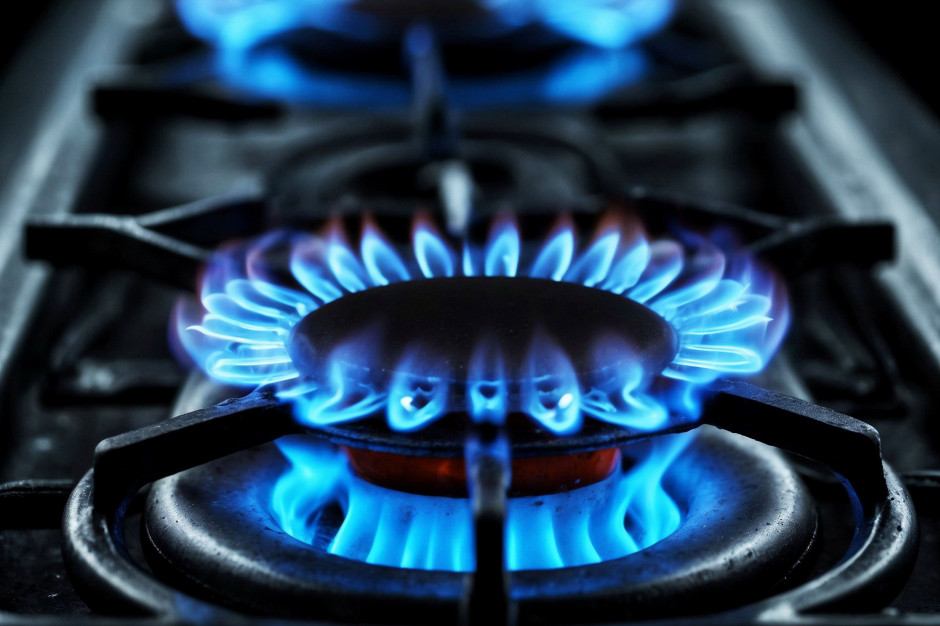
Gas remains above €75/MWh
High gas prices are changing the fuel economics of European power generation, making coal-fired plants more competitive even after carbon costs are included. Jakub Szkopek, an analyst at Erste Securities, told WNP that European gas prices currently remain above €75/MWh and had exceeded €80/MWh during the previous two weeks.
Europe is rebuilding inventories before winter, with storage facilities 72% full. The region must also compete with Asian buyers in a tight liquefied natural gas market. Qatar Energy, which accounts for about 17% of global production, has extended force majeure until the fourth quarter of 2026, according to Szkopek. Investment banks do not rule out European gas prices reaching €100/MWh before winter.
The increase is feeding into European electricity prices and raising costs for energy-intensive industries. WNP reports that some fertilizer producers may have to reduce production temporarily, showing how fuel-market pressure can spread beyond utilities into industrial supply chains.
Coal generation could rise toward winter
After the cost of CO2 allowances is included, gas is now about 40% more expensive than coal per unit of energy in Europe, Szkopek said. That difference is weakening the commercial case for gas-fired generation and encouraging greater use of hard coal and lignite plants.
Forecasts cited by WNP indicate that gas-to-coal switching could peak closer to winter. In Germany, coal-fired electricity production may approach the upper limits permitted under existing rules. The shift could support demand for thermal coal and improve utilization at available coal plants, but it would also increase power-sector emissions compared with gas generation.
Poland is seeing a similar response in district heating. Arkadiusz Siekaniec, vice-chairman of the Trade Union of Miners in Poland, told WNP that operators able to use coal are doing so because current gas prices would otherwise increase costs for companies and consumers. He also argued that domestic coal supplies could provide greater energy security when gas availability is uncertain.
LNG competition extends beyond Europe
Asia is adding pressure to the fuel balance. China has instructed producers in recent weeks to increase coal output to secure supplies for domestic power generation. This indicates that coal is also being used as protection against gas-market risks in the world’s largest energy-consuming region.
Expected growth in United States LNG exports may coincide with substantially stronger domestic gas consumption. The data-center construction wave linked by WNP to President Donald Trump’s artificial-intelligence program is expected to rely largely on gas-fired power. US gas demand for electricity generation is estimated to increase by about 50% during the coming decade.
Meeting that demand would require more drilling in deeper and technically more difficult geological formations, raising production costs and potentially gas prices. Wood Mackenzie expects the global LNG supply-demand balance to remain structurally tight through 2029 because additional liquefaction capacity may not fully offset simultaneous demand growth in Asia and Europe. It expects spot LNG prices to remain well above pre-2022 norms even if disruption around the Strait of Hormuz partially eases, leaving coal economically attractive where plants remain available.