High Brazilian Pork Output May Cap Prices at the End of 2026
Brazilian pork production is expected to peak between July and September 2026, building supply ahead of year-end demand. Agronews reports that excess hog availability and cold-storage stocks may limit price gains and keep independent producers’ margins under pressure.
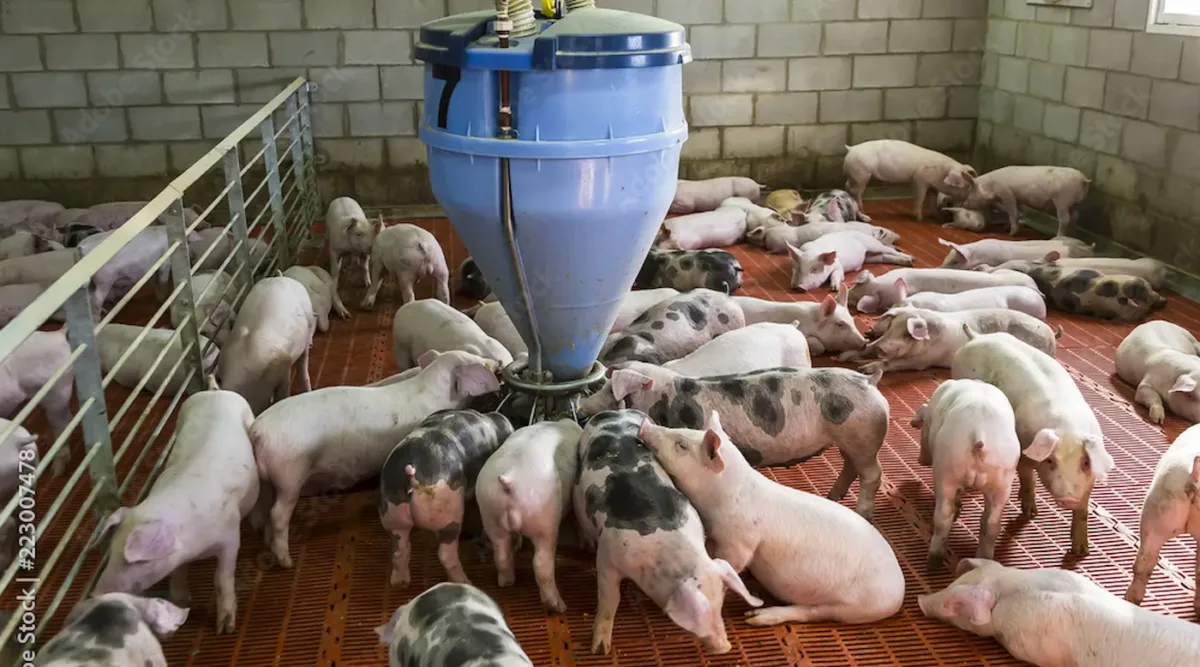
Production expected to peak in the third quarter
Brazilian pork production is projected to reach its 2026 peak between July and September, according to estimates based on preliminary data from the Brazilian Institute of Geography and Statistics, or IBGE. The timing reflects the industry’s usual effort to build inventories before demand strengthens in the final months of the year.
The third quarter normally concentrates the largest volumes of slaughter and processing. Producers and processors prepare for corporate and family celebrations, the payment of Brazil’s annual thirteenth salary and stronger shipments to foreign markets. Agronews reports, however, that production growth in 2026 has exceeded the market’s capacity to absorb the available supply.
Independent producers face the greatest pressure
The imbalance is particularly acute in the independent market, where hogs are sold without previously fixed vertical-integration contracts. Agronews says an excess of slaughter-ready animals during much of the year has created logistical and financial constraints for independent farmers.
Keeping hogs beyond their ideal sale weight is difficult because farms have limited space and additional days sharply increase feed expenses. Producers therefore have to offer lots at discounted prices. Persistent supply pressure has pushed live-hog prices and quotations for major pork cuts to historically low levels, according to Agronews, weakening profitability across the sector.
Exports and domestic demand will determine the price floor
November and December usually bring stronger retail and wholesale demand, but the supply accumulated during the third quarter may prevent a substantial price recovery. Large inventories in processors’ cold-storage facilities also reduce farmers’ bargaining power. Even if seasonal consumption performs well, the carryover supply is expected to act as a buffer against sharp increases in pork prices.
A sustained improvement will depend on two variables: export demand and the purchasing power of Brazilian consumers. Pork remains competitive against beef, which may support consumption, while stronger foreign shipments could remove part of the excess supply. If neither channel expands enough, producers—especially independent farms—will remain exposed to low quotations and elevated feed costs. Cost control will consequently be central to preserving margins through the end of 2026, while processors and exporters may benefit from abundant raw-material availability and competitive purchasing conditions.