Herzegovina aims to expand olive groves to 1,000 hectares by 2030
Herzegovina plans to increase its olive-growing area from about 643 hectares to 1,000 hectares by 2030. The expansion could support higher local olive oil output, while consumption in Bosnia and Herzegovina remains about 0.6 litres per person annually.
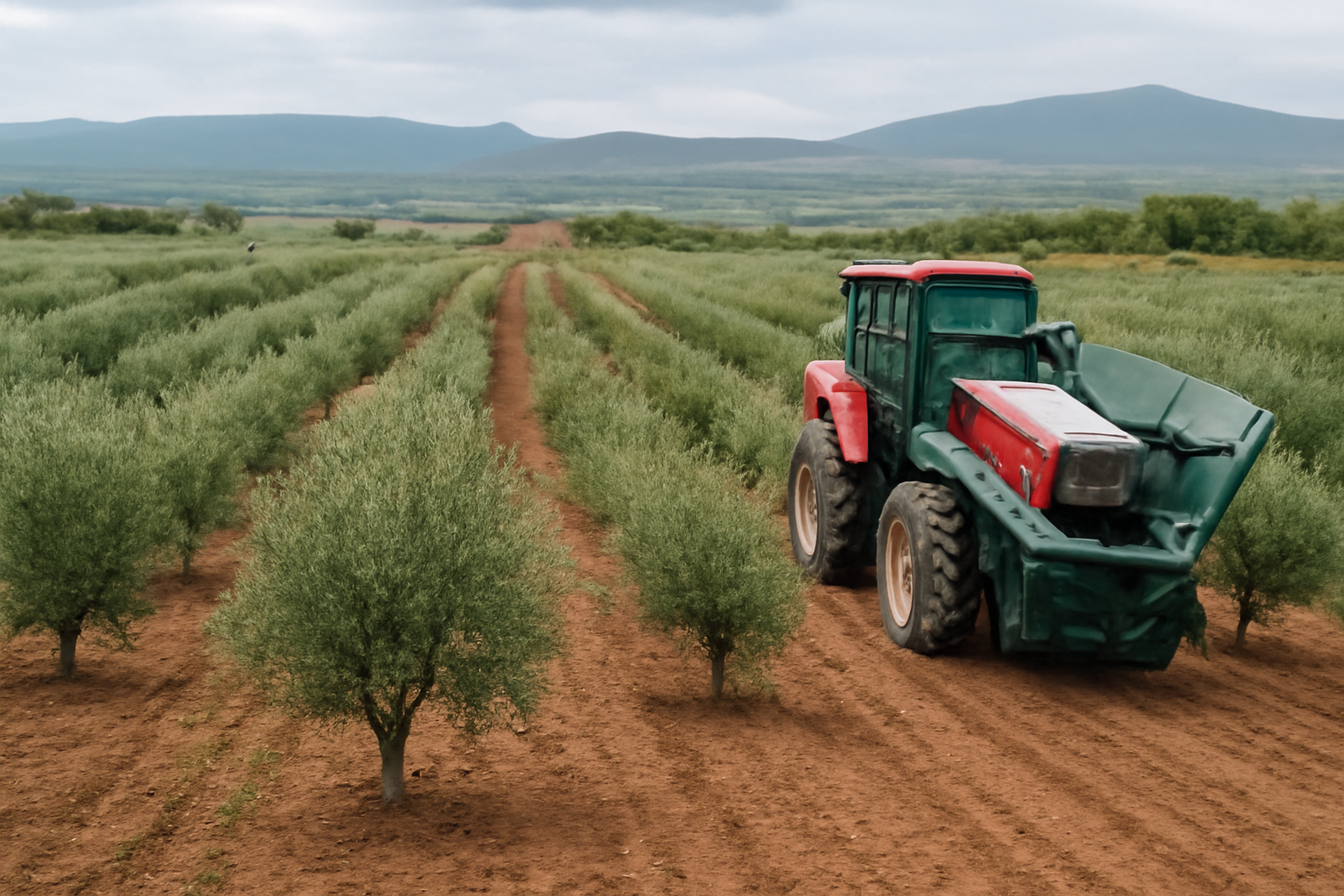
Olive-growing area set for expansion
Herzegovina is targeting 1,000 hectares of olive groves by 2030, up from about 643 hectares currently planted, according to Poslovni.hr. Reaching the target would add approximately 357 hectares, expanding the region’s planted area by about 56% from the present level.
The plan indicates a substantial increase in the land allocated to olives, although the available information does not specify an annual planting schedule, expected yields or investment requirements. It also does not provide a forecast for olive oil production. The effect on output will depend on how quickly new groves are established, which varieties are planted and when the trees reach productive maturity.
Low consumption limits the domestic market
The expansion is being pursued in a country where olive oil consumption remains low. Bosnia and Herzegovina consumes about 0.6 litres per person annually, Poslovni.hr reported. That figure points to a limited domestic demand base for growers and processors seeking to sell additional production.
For the local industry, the difference between the planting target and current consumption is commercially important. More groves can create a larger supply of olives for processing, but additional oil will still need buyers. Producers may therefore have to develop domestic demand alongside the orchards, improve access to retail and hospitality customers, or seek sales outside their immediate local market.
Low per-capita consumption also leaves room for demand to grow without requiring a change in population. However, the supplied material gives no consumption target and no estimate of how quickly the market could expand. Any increase in planting will consequently expose producers to the timing gap between agricultural investment, commercial harvests and the development of demand.
Processing capacity will shape the result
Expanding the olive-growing area by roughly 357 hectares could increase the volume of fruit available to mills once the new plantings become productive. The eventual effect on olive oil production will depend not only on orchard acreage but also on yields, weather, harvesting practices and access to processing capacity. No figures for existing mill capacity or planned processing investments were provided.
This makes coordination between growers and processors an important practical issue. If orchard development advances faster than milling, storage and marketing capacity, the region may struggle to capture the full value of a larger harvest. If capacity expands in step with planting, the target could support a broader local production base and provide processors with more reliable feedstock.
A 2030 target with key details still open
The 1,000-hectare objective gives the sector a measurable land-use target. It does not yet establish how the additional hectares will be financed, who will plant them or how production will be marketed. Those details will determine whether the plan produces only more orchard area or a corresponding increase in commercially viable olive oil output.
For producers, processors and investors, the main indicators to monitor are the pace of new planting, the development of milling capacity and changes in consumption from the current 0.6 litres per person. Together, those factors will show whether Herzegovina’s olive sector can balance a roughly 56% increase in planted area with sustainable demand by 2030.