Heineken plans to turn Vietnam’s Vung Tau brewery into Asia’s largest
Heineken is expanding its Vung Tau brewery with the ambition of making it the largest beer plant in Asia. The project is part of a wider shift in regional production toward Vietnam and Malaysia as the brewer pursues growth beyond Vietnam’s premium segment.
Vietnam moves to the center of Heineken’s Asian strategy
Heineken plans to expand its Vung Tau brewery in southern Vietnam with the ambition of making it the largest brewery in Asia, according to reporting citing Nikkei Asia. The plant is already the group’s largest production facility in Vietnam. The company has not disclosed its current capacity, the planned additional volume or a completion date.
Vietnam is one of Heineken’s 17 priority markets under its medium-term strategy through 2030. Jacco van der Linden, Heineken’s president for Asia-Pacific, described the country as one of the world’s most attractive beer markets. He pointed to its large market, comparatively high beer consumption per person, trained manufacturing workforce, stable business environment and predictable policy framework.
Heineken entered Vietnam in 1991 and has invested about $1 billion in the country. It has committed a further $500 million over the next 5-10 years. Malaysia and Indonesia are also priority markets, but van der Linden said Vietnam has a significantly larger market and higher per-capita beer consumption.
Expansion reaches beyond premium beer
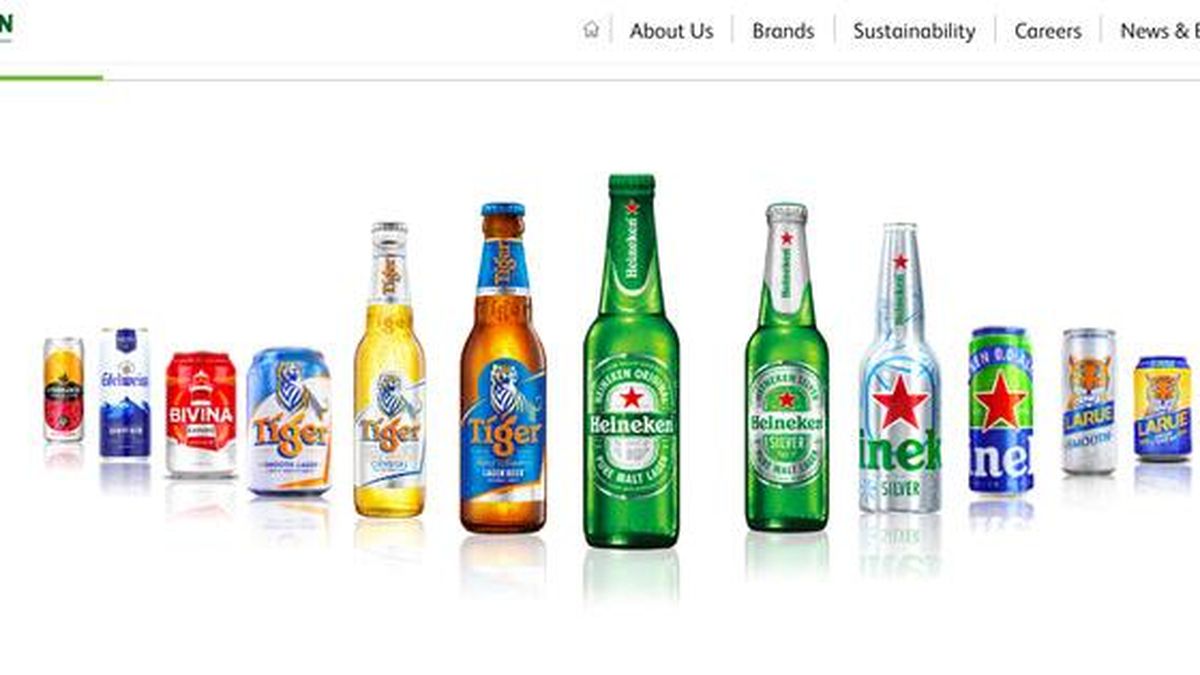
Heineken and Tiger have established the company in Vietnam’s premium beer segment. The next growth target is mainstream beer, where the brewer has added local brands Larue and Bivina to its portfolio. Van der Linden said his ambition is to build a much stronger position for Heineken Vietnam in this part of the market.
The move brings the company into closer competition with established domestic brewers. Sabeco sells Bia Saigon, while Habeco produces Bia Hanoi. Heineken believes it can compete through products tailored to local tastes, supported by its distribution network and ability to execute in the market. This strategy is also visible in Tiger Crystal and Heineken Silver, lighter and less bitter beers developed in Asia.
Consumer habits shape the product strategy. Beer in many Asian markets is commonly consumed with food rather than on its own. Heineken therefore sees local product development and proximity to consumers as necessary, rather than assuming that products designed for Western markets will transfer directly to Asia.
Production shifts from Singapore
The Vung Tau expansion forms part of a broader restructuring of Heineken’s Asian manufacturing network. In March, the group announced plans to stop brewing Tiger beer at its Singapore plant and transfer production to Vietnam and Malaysia. Van der Linden said the decision was mainly economic: the long-running Singapore facility required substantial investment and was less cost-competitive than other plants in the region. Singapore will retain a role in managing the Tiger brand.
The shift strengthens Vietnam’s position as both a consumer market and a regional production base. Larger-scale brewing can lower unit costs and support several brands, although Heineken has not specified how output from Vung Tau will be divided between domestic demand and other Asian markets. The investment also raises the competitive stakes for Vietnamese brewers as Heineken adds capacity while pushing into mainstream price points.
India offers longer-term potential
Heineken also views India as a long-term growth opportunity. Beer consumption there is about 2 liters per person annually, well below Vietnam, but younger consumers are showing greater interest in moderation and may shift away from spirits. Japan, despite being one of the world’s largest beer markets, is not a priority because Heineken sees limited scope to become the country’s first- or second-largest brewer against strong domestic producers. Asia-Pacific is consequently becoming a more important center for the group’s growth, product development and manufacturing, with Vietnam occupying a central role in that plan.