Hebei pear prices fall 40% as strong harvest meets weaker demand
Farm-gate prices for fresh pears in Hebei are about 40% below the opening of last season after favorable weather produced a larger, higher-quality crop. Weak domestic consumption, Indonesia’s import quota policy and elevated freight costs are encouraging cautious purchasing and greater use of cold storage.
Large crop opens into a weaker market
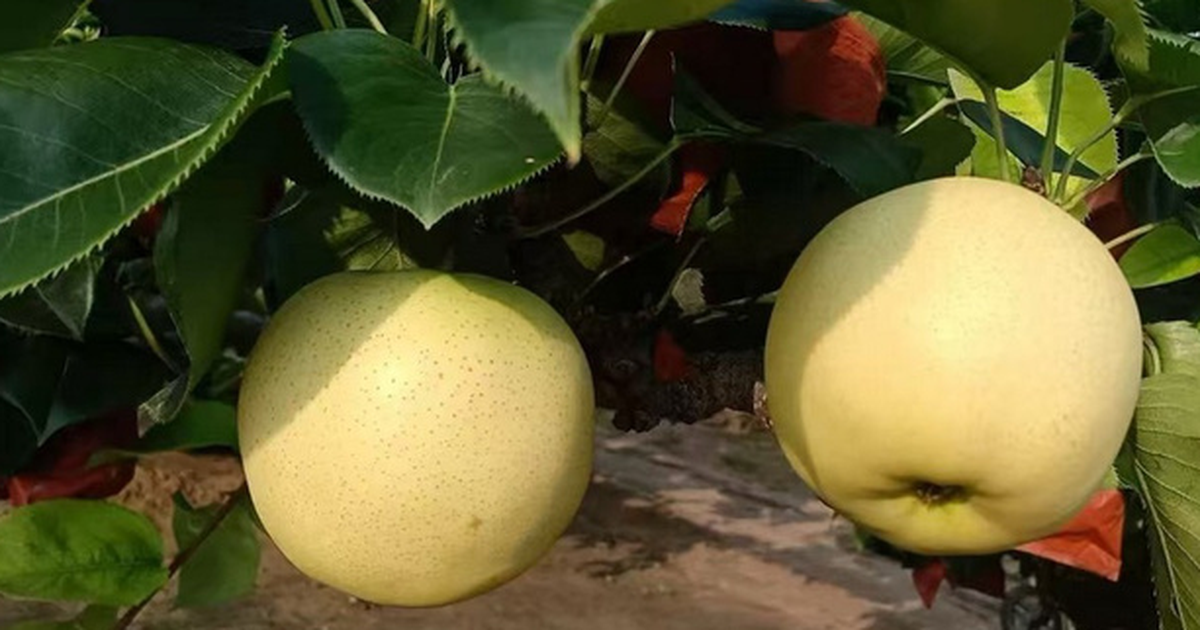
Farm-gate prices for fresh pears in Hebei province are about 40% lower than at the beginning of last year’s season, as a strong harvest collides with weaker demand at home and uncertainty in key export markets. Hebei, one of China’s principal fresh pear-producing regions, entered its new harvest in July 2026 after favorable weather supported a high fruit-setting rate and orchards largely escaped major natural disasters.
CafeF reported that both output and fruit quality improved from the previous year. The larger crop, however, has not translated into stronger returns for growers. Lower domestic consumption, policy changes in major overseas markets, fluctuations in transport costs and exchange rates have all contributed to a significantly weaker opening price.
Buyers limit inventory exposure
Ms Li, sales director at Hebei Xionghan Fresh Agricultural Products Co., said farm purchasing prices were approximately 40% below their level at the opening of the previous season. Traders are generally buying cautiously and showing little interest in accumulating inventory. Even higher-grade pears are facing disappointing prices despite the improvement in quality.
Some growers have responded by moving fruit into cold storage rather than selling immediately. That may reduce pressure during the harvest but could concentrate supply later in the season if market conditions do not improve. Buyers in producing areas are meanwhile purchasing smaller volumes and turning stocks over quickly to limit their exposure. Large-scale inventory building has declined significantly.
The pressure extends beyond pears. According to Li, China’s broader fruit market is undergoing an adjustment as consumers become more selective, overall fruit supply remains ample and consumer confidence has yet to recover fully. Competition is intensifying in the low- and mid-priced fruit segments, while slower retail sales are further weakening domestic demand for fresh pears.
Indonesia policy adds export uncertainty
Export conditions are also becoming less predictable. Indonesia, described by the company as one of the principal destinations for Hebei fresh pears, introduced an import quota management policy on May 8, 2026. Hebei Xionghan is continuing to assist Indonesian customers with quota applications, but the policy has introduced uncertainty into shipments. Li identified the simultaneous weakening of domestic and international demand as a major reason for this season’s lower purchasing prices.
International freight rates remain relatively high, adding to exporters’ costs. However, Hebei Xionghan said selling prices in markets including North America and Canada had changed little from the same period last year. The company had been purchasing pears for nearly two weeks and expected its total seasonal inventory to remain broadly in line with previous years. Current order volumes were also described as generally stable year on year as the export season moved into the shipping phase.
Storage and diversification shape the outlook
The immediate market balance will depend partly on how much fruit growers place in cold storage. If many producers defer sales while traders continue to keep inventories lean, selling pressure could re-emerge later in the season. Stable overseas prices may support qualified exporters, but high freight costs and uncertainty over Indonesian quotas constrain margins and market access.
Hebei Xionghan, which produces, processes and exports fresh pears, operates an integrated chain covering orchards, cold storage, processing and grading. The company holds GLOBALG.A.P. certification and plans to expand into additional overseas markets to reduce its exposure to policy changes in any single destination. For growers and exporters, diversification offers a route to manage risk, but the current 40% farm-gate price decline shows that additional channels will be needed to absorb the larger harvest without prolonging pressure on returns.