Heavier hog weights lift US pork production despite limits on animal numbers
Estimated federally inspected US pork production reached about 2.2 billion pounds in July 2026, almost 2% above the previous year. Heavier slaughter weights helped processors maintain output despite constraints on animal numbers.
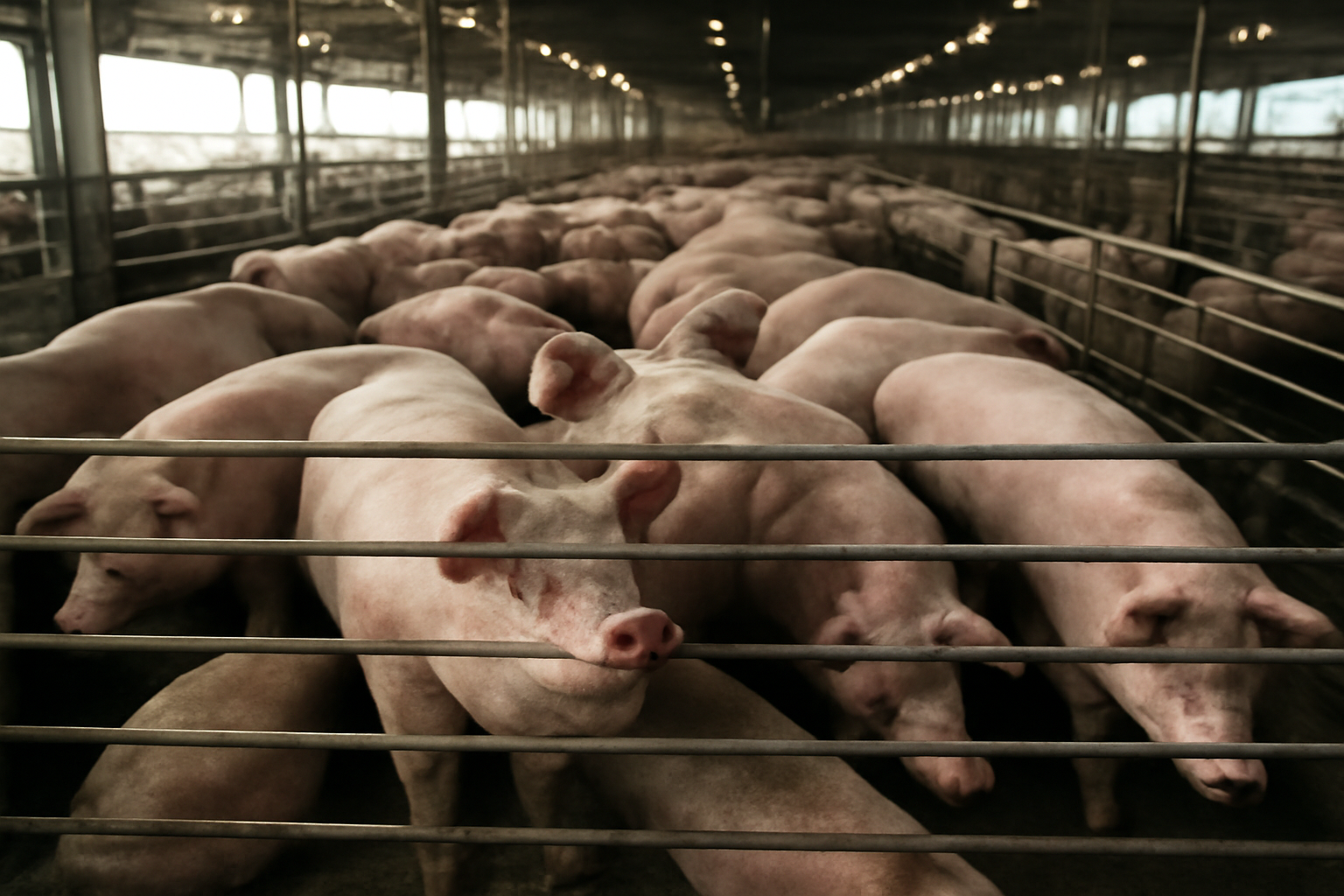
July production rises despite herd constraints
Estimated federally inspected pork production in the United States reached about 2.2 billion pounds in July 2026, almost 2% more than a year earlier, according to National Hog Farmer. The increase came despite constraints on the number of animals available for slaughter, making heavier hog weights an important source of additional meat supply.
The July result indicates that pork output can continue rising even when slaughter volumes are restricted. Each animal is producing more meat, allowing processors to sustain plant throughput and total production without a comparable increase in hog numbers. For producers, the figures show how finishing performance can influence aggregate supply. For packers, heavier carcasses provide more saleable pork from the available slaughter base.
Weights change the supply calculation
Higher slaughter weights can partly offset limited animal availability, but they do not remove the underlying constraint. Production becomes more dependent on the amount of pork obtained from each hog. If weights remain elevated, total output may stay supported even without stronger animal numbers. If weights decline, the restriction on hog availability would become more visible in production volumes.
The pattern matters for price formation across the pork chain. Output running almost 2% above the previous year adds product to the domestic market and the exportable pool. That can improve raw-material availability for processors and give buyers more supply than animal numbers alone would suggest. At the same time, the effect on prices depends on whether domestic consumption and overseas demand absorb the additional volume. The supplied material does not provide price or export figures, so the size of that demand response cannot be quantified.
Processors and exporters watch usable output
For processing companies, the relevant measure is not only the number of hogs entering plants but also the pounds of pork produced from them. About 2.2 billion pounds of inspected production in July gives processors a broader volume of federally inspected meat to market, process or place in storage. Product mix also matters because the commercial value of heavier animals depends on the cuts produced and the demand for those cuts.
Exporters will likewise focus on whether the additional output creates competitive volumes for foreign markets. Greater production can expand the amount available for export after domestic requirements are met, but the source material does not identify destinations or shipment levels. The central market signal is therefore the production gain itself: heavier hogs helped US pork supply increase by almost 2% year on year despite limits on animal numbers. The durability of that support will depend on whether slaughter weights remain high and whether demand keeps pace with the extra meat.