Heatwaves kill nearly 70,000 laying hens and tighten France’s egg supply
Successive heatwaves have killed nearly 70,000 laying hens across France and reduced egg output, Europe 1 reports. Contract pricing may delay an immediate consumer price increase, but smaller and scarcer eggs could leave more supermarket shelves empty.
Heat losses hit the laying flock
Successive heatwaves in France have killed nearly 70,000 laying hens across farms in the country, putting an already pressured egg market under further strain. Europe 1 reports that the extreme temperatures have increased mortality in poultry houses while also disrupting the laying cycle of surviving birds.
The impact therefore extends beyond the immediate loss of hens. High temperatures change how birds eat and develop, affecting both the number and size of eggs reaching the market. Alice Richard, director of the French egg industry association, told Europe 1 that laying hens consume less grain during heatwaves because their appetite declines. As a result, they produce slightly smaller eggs.
Smaller eggs and lower laying rates
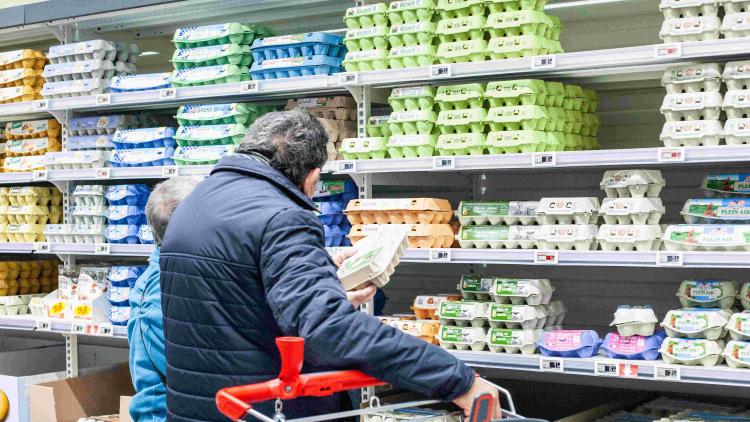
Heat also causes hens to lay less frequently. The combination of flock mortality, reduced laying rates and smaller egg sizes means supplies could become less visible on supermarket shelves in the coming weeks. Some stores have already had empty egg shelves for weeks, even as French demand continues to grow.
The source material does not quantify the decline in national egg production or identify the regions and farming systems with the heaviest losses. It also gives no estimate for how quickly affected farms could replace dead birds. Nevertheless, the reported loss of nearly 70,000 hens adds a physical supply constraint at a time when retailers are already experiencing gaps in availability.
Contracts limit the immediate price response
Lower supply does not necessarily mean an immediate increase in consumer prices. Richard said egg prices are set in advance through contracts between producers and retailers. This arrangement limits the direct short-term transmission of a market shortage into supermarket prices.
Contracting can stabilize shelf prices, but it cannot produce additional eggs. If laying performance remains weak, retailers may face a choice between accepting intermittent shortages and seeking alternative supplies. Europe 1 does not report whether distributors are preparing to increase purchases from outside France, so any effect on import requirements remains uncertain.
Availability becomes the main market risk
For producers, the immediate problem is a simultaneous loss of productive birds and lower output from the remaining flock. Feed consumption declines during extreme heat, but so does the volume and size of the saleable product. The consequences will vary by farm according to mortality, housing conditions and the duration of exposure, although no farm-level figures were provided.
For retailers and consumers, availability is the more immediate risk than price. Existing contracts may postpone a price reaction, while empty shelves can appear as soon as deliveries fall short of demand. With egg consumption continuing to rise in France, the market has less room to absorb weather-related production losses. The next test will be whether laying rates recover after the heatwaves and whether domestic farms can restore supply before shortages spread across more retail outlets.