Heatwave and floods drive up lettuce and cucumber prices in South Korea
Extreme heat and heavy rain have sharply raised lettuce and cucumber prices in South Korea, increasing cost pressure on food-service operators. Supplies of radish, carrot and green onion have improved, creating a divided vegetable market.
Extreme weather divides the vegetable market
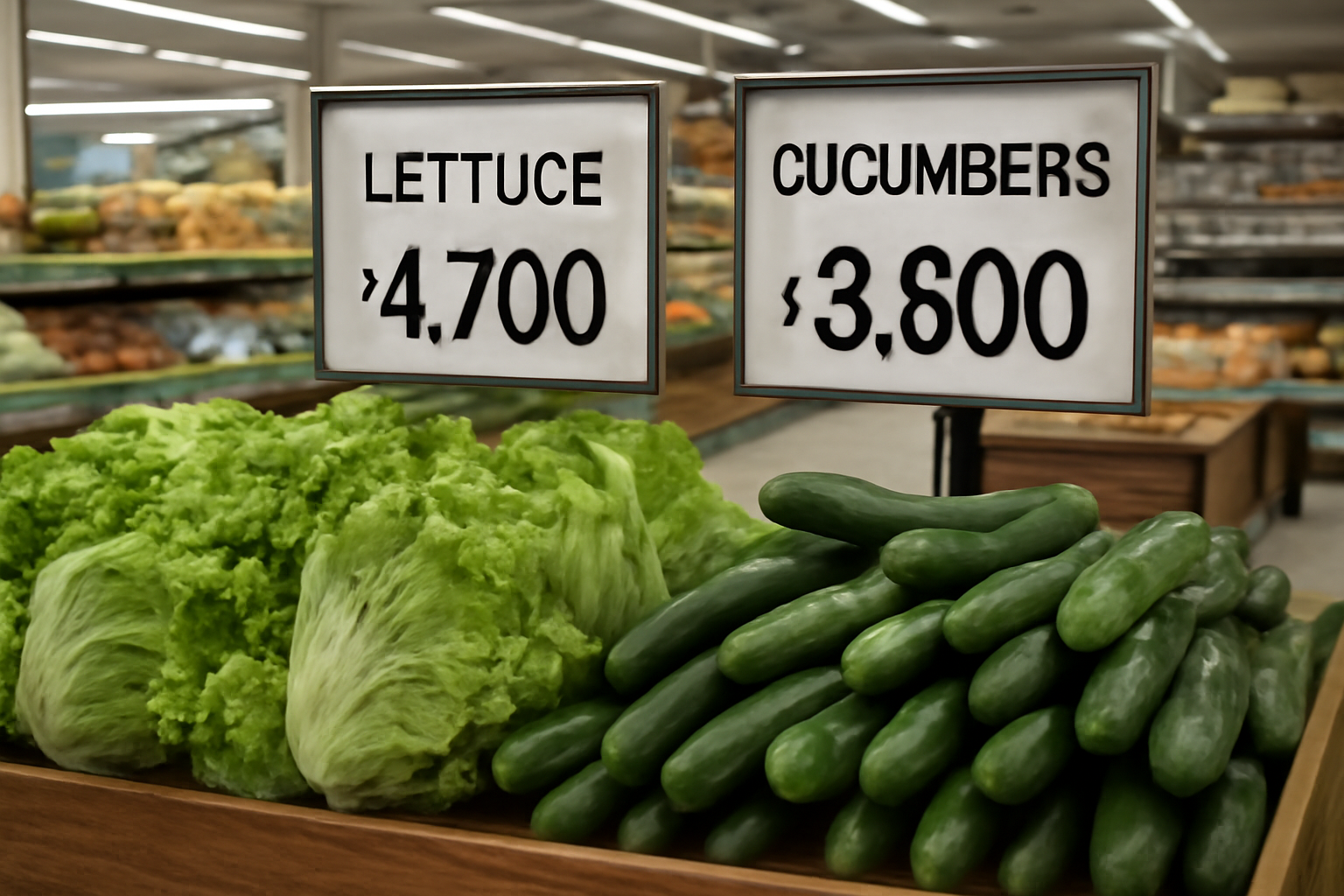
A combination of extreme heat and heavy rain is disrupting South Korea’s summer vegetable market, sharply raising prices for lettuce and cucumber while some other crops become cheaper. Asia Times reports that the contrasting price movements reflect major differences in growing conditions, storage life and recent shipment volumes across vegetable categories.
The weather shock has been particularly severe for leafy vegetables and crops grown in protected facilities. Lettuce is sensitive to adverse growing conditions and cannot be stored for long, leaving the market with little protection when harvesting and distribution are interrupted. Cucumbers face similar supply pressure because their production depends on stable conditions inside growing facilities. Heat and excessive rainfall can therefore translate quickly into reduced market availability and higher wholesale and retail prices.
Higher shipments ease prices for other crops
The trend is not uniform across South Korea’s produce sector. According to Asia Times, prices for radish, carrot and green onion have recently declined as shipment volumes increased. Their improved availability contrasts with the tightening market for lettuce and cucumber, producing a clear split between individual vegetable categories rather than a broad rise in all agricultural prices.
This divergence matters for buyers because cheaper root vegetables and green onions cannot fully offset shortages of products used for different dishes. Restaurants, institutional kitchens and food processors procure vegetables according to menu requirements, not simply according to which crop is cheapest. Businesses that rely heavily on fresh lettuce or cucumber consequently remain exposed to rising costs even when the average price of a wider vegetable basket appears more stable.
Food-service operators face renewed cost pressure
The immediate commercial impact is likely to be strongest in food service. Lettuce and cucumber are commonly supplied fresh and have limited scope for extended storage, making it difficult for restaurants and distributors to build inventories before weather-related disruption. When supply tightens, buyers must either absorb the additional cost, adjust purchasing volumes or change menu composition. Persistent increases could eventually add to consumer-facing dining prices, although the available source material does not report specific price changes by restaurants.
The episode also illustrates how climate-related production disruption can affect crops unevenly. Higher shipment volumes can push prices down in one segment while heat and flooding restrict supply in another. For producers, the split creates different revenue and yield outcomes depending on the crop and production method. For wholesalers and retailers, it raises the importance of short-term sourcing and inventory management. For food-service companies, it makes ingredient costs less predictable during the summer season.
Limited storage amplifies supply shocks
Unlike produce that can be held for longer periods, leafy vegetables must move rapidly from farms through wholesale markets to final buyers. That short commercial window magnifies the effect of disrupted growing and harvesting conditions. Facility-grown vegetables are protected from some external conditions, but prolonged heat and heavy rain can still undermine output and complicate operations.
South Korea’s current vegetable-price split is therefore a supply-specific food inflation risk rather than evidence that every crop is becoming more expensive. The duration of pressure on lettuce and cucumber will depend on how quickly growing conditions and shipments recover. Until then, restaurant operators and fresh-produce traders remain the market participants most directly exposed to volatile availability and replacement costs.