Heat and Irregular Rainfall Push Italy’s Porcini Supply Chain Toward Imports
Longer periods of heat and irregular rainfall are making Italy’s wild porcini season less predictable and shifting harvesting toward cooler, higher forests. Italian sellers increasingly rely on supplies from Romania, Serbia and Montenegro, while cultivated mushrooms offer a more stable alternative.
Traditional harvest calendar loses reliability
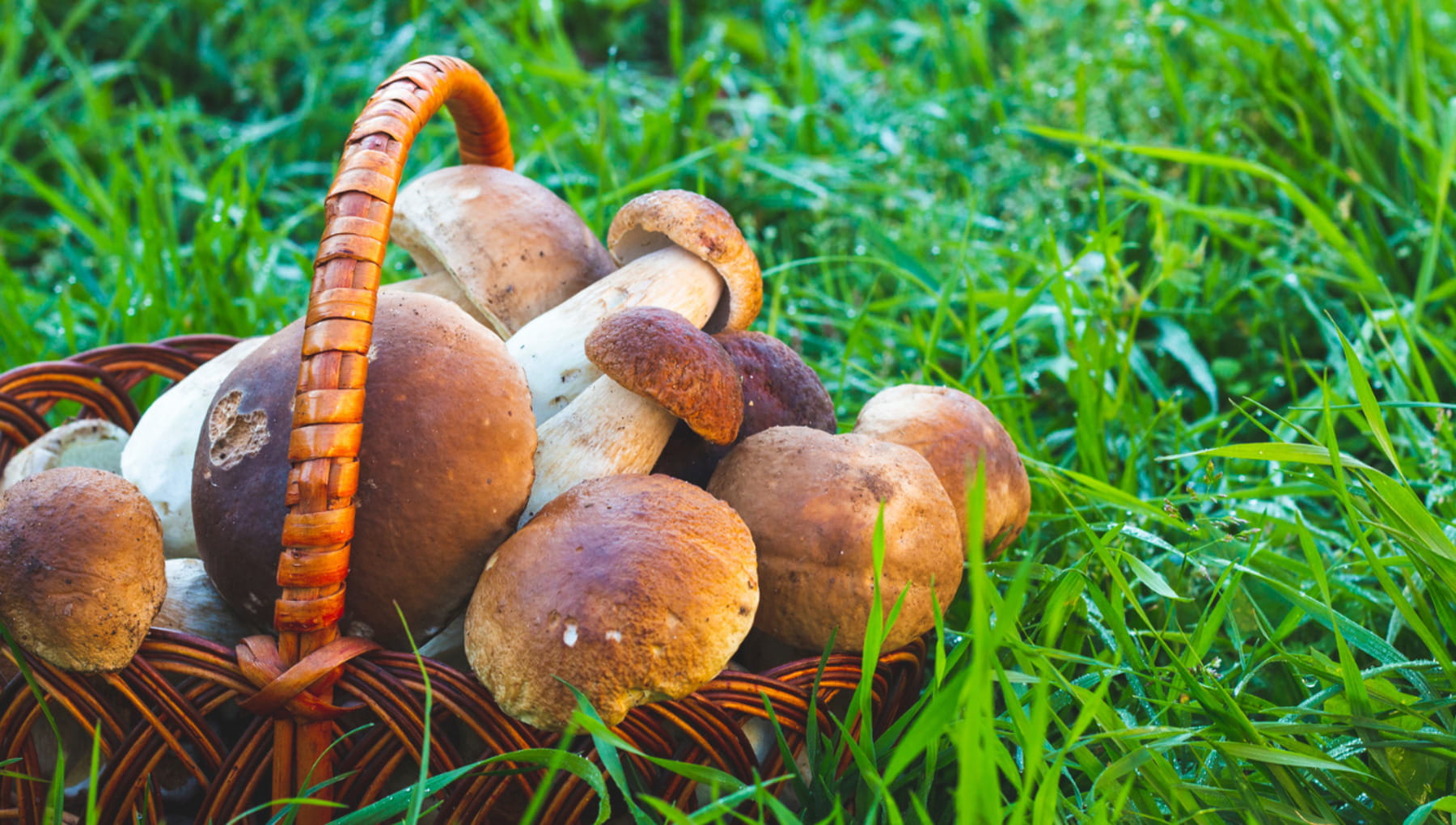
Italy’s porcini market is becoming increasingly exposed to weather volatility as prolonged heat and irregular rainfall disrupt the traditional wild-mushroom season. La Repubblica reports that the familiar sequence of summer heat, rain and a September harvest can no longer be taken for granted. Rain may arrive late or fall heavily within a few days, while soils do not always retain enough moisture for mushrooms to emerge.
The effects are particularly visible in forests where porcini were traditionally collected at relatively low elevations. Harvesters are moving toward cooler woodland at higher altitudes when conditions below become unsuitable. This can alter both the location and timing of the season, creating uncertainty for collectors and businesses that buy, distribute or serve fresh wild mushrooms.
Unlike a cultivated crop, wild porcini production cannot be scheduled or quickly increased when demand rises. If harvesting is poor in one area, merchants must wait for conditions to improve or source mushrooms elsewhere. This biological constraint makes supply volumes and procurement periods difficult to predict, while restaurants and retailers still face strong seasonal interest in porcini.
Foreign mushrooms fill gaps in Italian supply
For Italian buyers, “elsewhere” increasingly means outside the country. Romania, Serbia and Montenegro have long participated in the supply chain bringing wild mushrooms to Italian markets, according to La Repubblica. Their role becomes more important when heat and insufficient soil moisture limit domestic collection or push the Italian harvest into different periods and higher elevations.
The shift does not mean that imported porcini are replacing a standardized domestic crop. Availability remains linked to natural conditions across each collection area. However, sourcing from several countries broadens the geographic base available to wholesalers, restaurants and retailers, reducing dependence on a single Italian forest region or harvest window. It also makes cross-border procurement a more regular part of a market traditionally associated with Italy’s September season.
Porcini retain a privileged position in Italian cuisine because they can be served raw, fried, grilled, sautéed or used in sauces. That popularity concentrates commercial attention on one seasonal species. When domestic availability tightens, sellers must either pay the prevailing price, increase foreign sourcing or offer other mushrooms with different supply patterns.
Cultivated species offer predictable volumes
Cultivation provides one response to the uncertainty, although cultivated mushrooms do not directly replace wild porcini in flavour or market positioning. Champignon, pleurotus and shiitake can reach the market more regularly, allowing chefs and retailers to plan menus and purchasing without waiting for favourable woodland weather. Pioppino, cardoncello and nameko provide further options for sauces, risottos, grilled dishes and soups.
A broader product range could reduce the Italian mushroom sector’s dependence on porcini availability without removing the premium wild species from the market. Mushrooms are also gaining attention in plant-based and functional foods because of their flavour, texture and umami qualities, rather than as a direct nutritional substitute for meat. For producers and processors, this creates room to develop cultivated supply while importers continue covering gaps in wild porcini. The central market question is whether consumers will accept more species alongside porcini as hotter, less regular seasons make domestic collection harder to forecast.