Heat and Southern Hemisphere Supply Weigh on Spain’s Apple and Pear Season
Spain’s apple and pear season has opened under pressure from unusually high temperatures, smaller fruit and weak demand. Frutas Ponti is putting pears into cold storage as Argentine and South African supply remains available in key markets.
Heat reduces size and quality
Spain’s pear and apple season is beginning under difficult agronomic and commercial conditions as unusually high summer temperatures affect fruit development and imported Southern Hemisphere supply remains on the market. FreshPlaza reports that growers are dealing with smaller pears, more visible skin defects and insufficient coloration in early Gala apples.
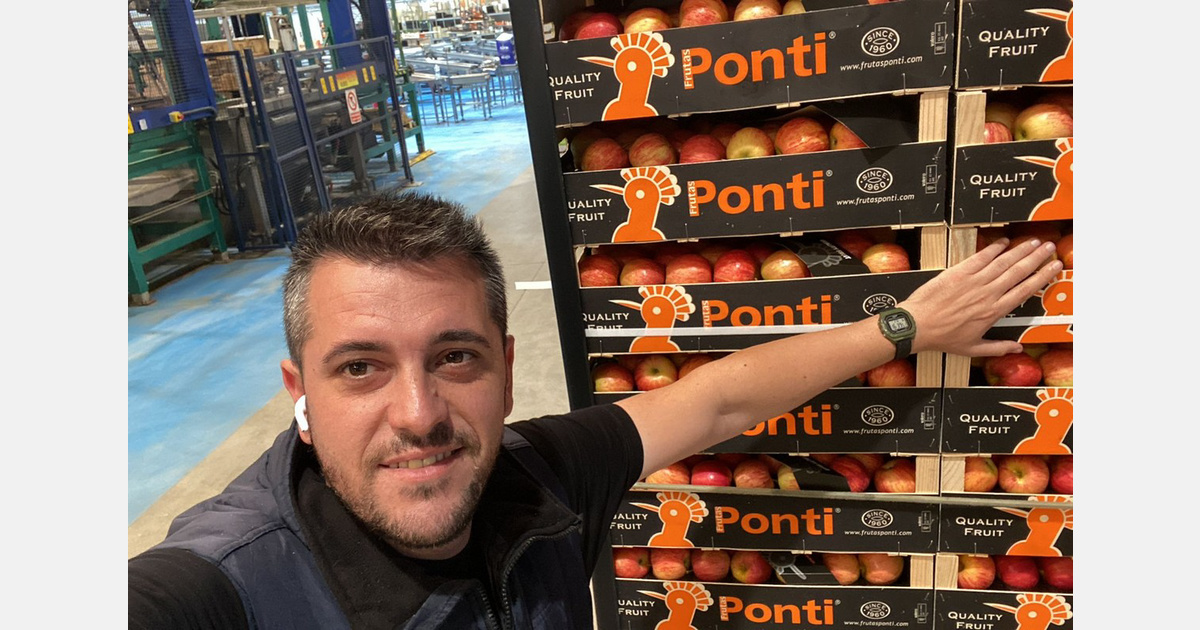
Frutas Ponti began harvesting pears about two weeks before the report. The company, based in the Bajo Cinca district of Huesca province in Aragon, has collected its first Limonera pears and is also harvesting Williams, Bartlett and Conference varieties. José Casas of Frutas Ponti said the summer heat had generally reduced fruit sizes. It also increased pressure from pear psylla, contributing to more widespread skin imperfections.
Large pears account for only 10% of output
The quality and size profile is narrowing the volume that can be sold immediately. According to Casas, buyers are showing interest only in pears measuring 70 mm or more, but this category represents just 10% of the company’s current production. Demand is particularly weak, prompting Frutas Ponti to place pears in cold storage instead of beginning exports immediately, as it had done in previous seasons.
Commercial pressure is being intensified by the continued availability of large volumes of Argentine and South African pears. These supplies are present both in European markets and in South American countries served by the Spanish exporter. The overlap leaves Spanish growers competing with imported fruit precisely as their new crop enters the market. Frutas Ponti is now looking to stronger autumn and winter consumption to clear stored volumes.
Early Gala apples lack export coloration
Apples face a separate quality constraint. Casas said the first Gala apples did not have sufficient coloration for export. The company expects color development to improve as harvesting advances and hopes later varieties will also show better results. Until then, the lack of export-grade color may restrict market options for early fruit at a time when pear sales are already slow.
Frutas Ponti produces and exports about 25,000 tonnes of stone fruit and approximately 10,000 tonnes of pome fruit to European and overseas destinations, particularly South America. Its scale and market reach illustrate how the combination of heat-related quality problems and overlapping supply can affect storage decisions and the timing of export programs.
Stone fruit demand offers a contrast
The same hot weather supported consumption of stone fruit in export markets during much of the campaign. Frutas Ponti started its stone fruit season in May and expects to finish in mid-September. Although sizes were generally smaller and prices did not reach the previous year’s levels, Casas described prices as acceptable and demand as sustained.
Consumption slowed slightly in August during the holiday period, and the company hopes warm weather in September will revive demand. Competition has nevertheless increased in Eastern Europe, where more Turkish and Greek fruit is available and local production appears to be rising, particularly for plums, apricots and cherries. The contrasting results show that heat can stimulate consumption while simultaneously reducing fruit size and export quality. For Spain’s apple and pear suppliers, the immediate priorities are storage management, the development of larger sizes and better coloration, and the timing of sales after Southern Hemisphere inventories recede.