Heat and drought weaken European summer crops and fodder, while Romania’s outlook holds up
Persistent heat and low rainfall have reduced summer-crop yield expectations and fodder availability across Western and Central Europe, according to the European Commission’s MARS monitoring. Romania retains comparatively favorable estimates for maize and sunflower, although its western regions are also under weather pressure.
Summer crops deteriorate across Europe
Extreme heat and limited rainfall over the past two months have put summer crops and animal-feed supplies under mounting pressure across Western and Central Europe. Mediafax, citing the latest MARS bulletin from the European Commission’s Joint Research Centre, reported particularly difficult conditions in France, southern Germany, northern and central Italy, Austria, Czechia, Slovakia and Hungary.
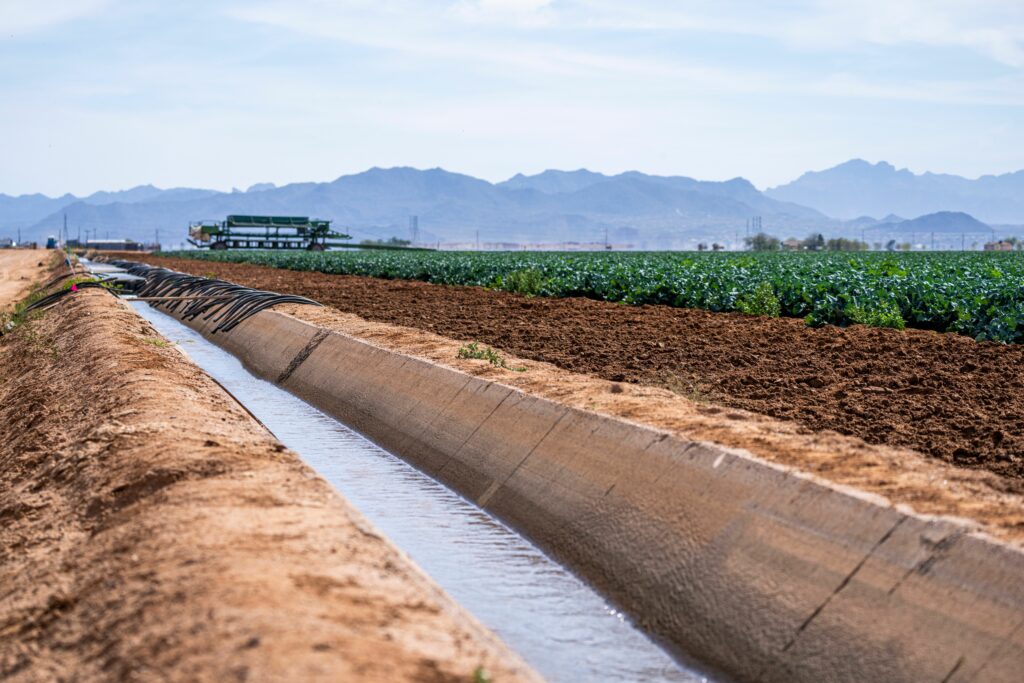
High temperatures and the absence of rain have damaged crops, while limited irrigation water has intensified plant stress in several regions, according to the Commission’s assessment. The Benelux countries, Slovenia and Croatia are also affected. In those markets, hot and dry conditions have reduced expectations for summer-crop yields, especially maize.
The warning covers a broad production belt that supplies grain, oilseed and livestock markets within the European Union. The source material does not provide revised production volumes or yield figures, but the geographical spread of the deterioration indicates that the impact is not confined to isolated farming areas. Final losses will depend on local crop development, access to irrigation and weather during the remaining growing period.
Fodder pressure adds risks for livestock farms
The weather has also reduced pasture area and the volume of biomass available for animals in several parts of Western and Central Europe. That creates a second layer of pressure for mixed and livestock farms: weaker crop prospects coincide with tighter supplies of locally produced feed.
European Agriculture and Food Commissioner Christophe Hansen said the summer had been particularly difficult for farmers across the EU. He identified crops, fodder, livestock and farm income as areas facing growing pressure from drought and extreme heat. The Commission is monitoring developments and collecting information directly from affected farming regions.
Lower pasture and biomass availability can force livestock producers to use stored feed earlier or seek additional supplies. However, the published source texts give no feed-price data or estimates of the shortfall. Traders, processors and livestock operators will therefore need to watch regional harvest results before determining whether the weather damage produces wider changes in feed procurement.
Romania presents a more favorable contrast
Romania offers a comparatively positive outlook within the affected region. Ziua de Constanța reported favorable estimates for the country’s maize and sunflower crops, distinguishing the national picture from the more pronounced deterioration elsewhere in Western and Central Europe. At the same time, Mediafax included western Romania among the areas experiencing severe heat and low rainfall, showing that conditions vary within the country.
The Commission linked the episode to the growing need to prepare agriculture for more frequent extreme weather. It identified the Common Agricultural Policy as an important channel for improving resilience and climate adaptation. European funding supports more efficient irrigation systems, water-saving technology, adapted infrastructure, improved water management and crops better able to withstand changing climatic conditions.
MARS bulletins are published monthly by the Joint Research Centre and used by the European Commission to monitor agriculture in EU member states. For producers, processors and commodity traders, subsequent bulletins will be important for establishing whether current stress translates into measurable reductions in harvested maize, sunflower and fodder, and whether Romania’s comparatively favorable outlook can be maintained.