Heat and drought force most Salers cheesemakers to halt summer production
More than three-quarters of France’s 80 Salers producers stopped making the protected-origin cheese during summer 2026 as heat and drought depleted pastures. Producers face lower milk yields, higher feed costs and a switch to Cantal cheese, which earns about €3 less per kilogram.
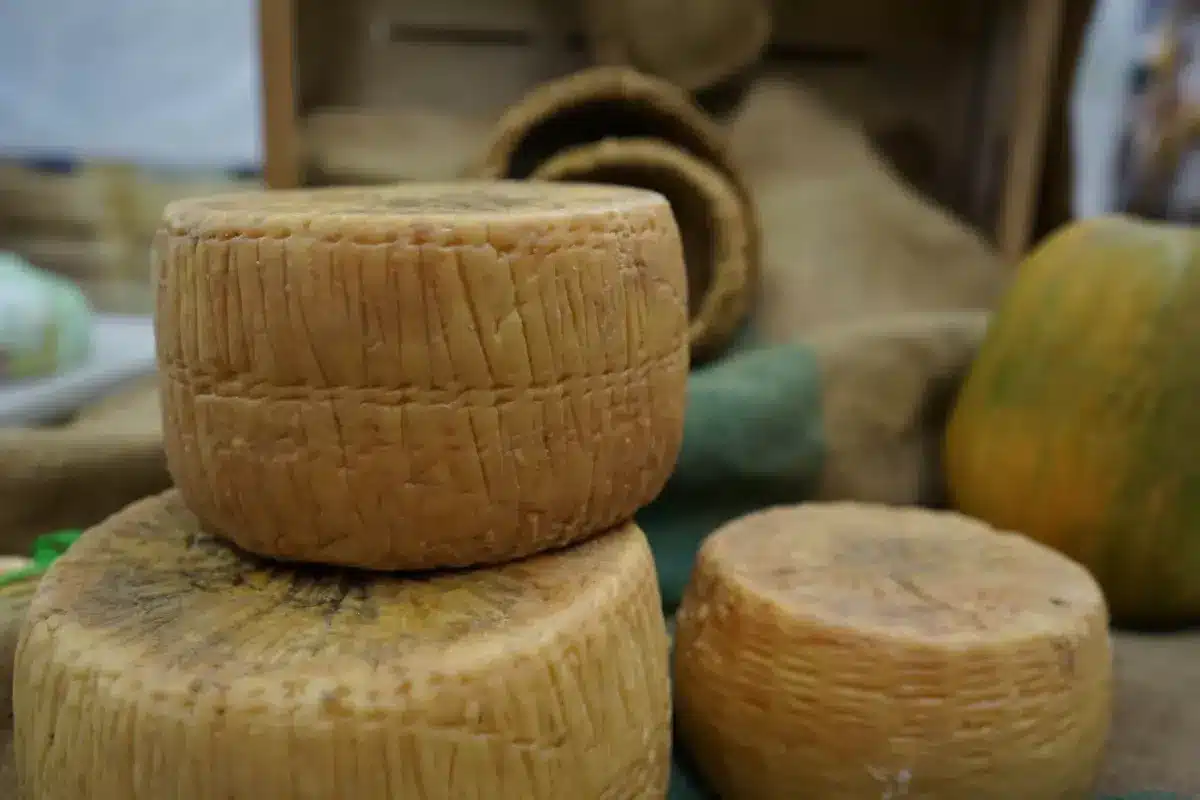
Pasture shortages stop production
More than three-quarters of France’s 80 Salers producers had to stop production during summer 2026 after repeated heatwaves and subsequent drought reduced the grass available to their cattle, RSE Magazine reported. The disruption threatens supplies of a semi-hard raw cow’s milk cheese that is one of France’s 47 products in the cheese category carrying the protected designation of origin, or AOP, label.
Laurent Lours, a dairy farmer and cheesemaker for 35 years who chairs the Cantal cheese interprofessional committee, stopped producing Salers on July 8 because his cows no longer had enough grass. According to the account published by RSE Magazine, he said the region had experienced five heatwaves so far in 2026, with temperatures unlike any he had previously encountered. July 2026 was France’s hottest month since national records began in 1900 and its third-driest July, according to the national meteorological service.
AOP rules limit producers’ options
Salers can be made only from April 15 to November 15, using milk from cows fed mainly on grass. Supplementary feed is limited to 25% of dry matter, while permitted additions—including hay, wheat, barley, oats and maize—must come from the same region. Production is concentrated in Cantal, where cattle graze on volcanic highlands at elevations of 800 to 1,500 metres. These requirements link the cheese closely to its territory, but leave producers with little room to respond when drought damages local pasture.
When grass becomes insufficient, cheesemakers can switch their milk to Cantal, a similar cheese governed by more flexible rules. Cantal may be produced throughout the year, allows a more generous mix of grass, grain and hay, and requires only 120 days of grazing annually. The alternative nevertheless generates about €3 less per kilogram than Salers for the same amount of work. Producer Stéphanie Gardes, who made that switch during the summer, had already lost €20,000 in income under similar conditions in 2025. She expects the current season to be her worst financially in nine years as a cheesemaker.
Costs rise as output contracts
Lours spent nearly €30,000 on additional feed during the summer. He estimates that heat-stressed cows produce 10% less milk and that more frequent drought episodes now remove roughly one month from the outdoor grazing season. Salers production has already fallen from 1,500 tonnes annually in the early 2010s to around 1,000 tonnes. Lours said grass shortages that once occurred every 15 to 20 years now arise approximately every other year.
France’s National Institute of Origin and Quality, INAO, announced temporary changes in August 2026 for selected cheesemakers in response to what it called a historic drought. Producers of Beaufort, Comté and Abondance were among those permitted to increase forage use or obtain supplies from outside their designated AOP areas. The Cantal committee did not request an exemption for Salers. Lours argues that if grazed grass falls below 50% of the cows’ diet, the cheese no longer merits the name. That position protects the product’s identity but narrows the available response to extreme weather. With Roquefort and Abondance producers also struggling to meet grazing requirements, the crisis is intensifying debate over whether permanent AOP rule changes can preserve both regional authenticity and commercial production.