Heat Brings Umbria Wine Harvest Forward as Weak Demand Adds Export Pressure
Extreme heat and prolonged drought accelerated grape ripening in Umbria, bringing much of the 2026 harvest forward. Regional output remains broadly healthy, but high Italian inventories, weaker prices and a nearly 7% export decline are increasing pressure on wineries to find foreign buyers.
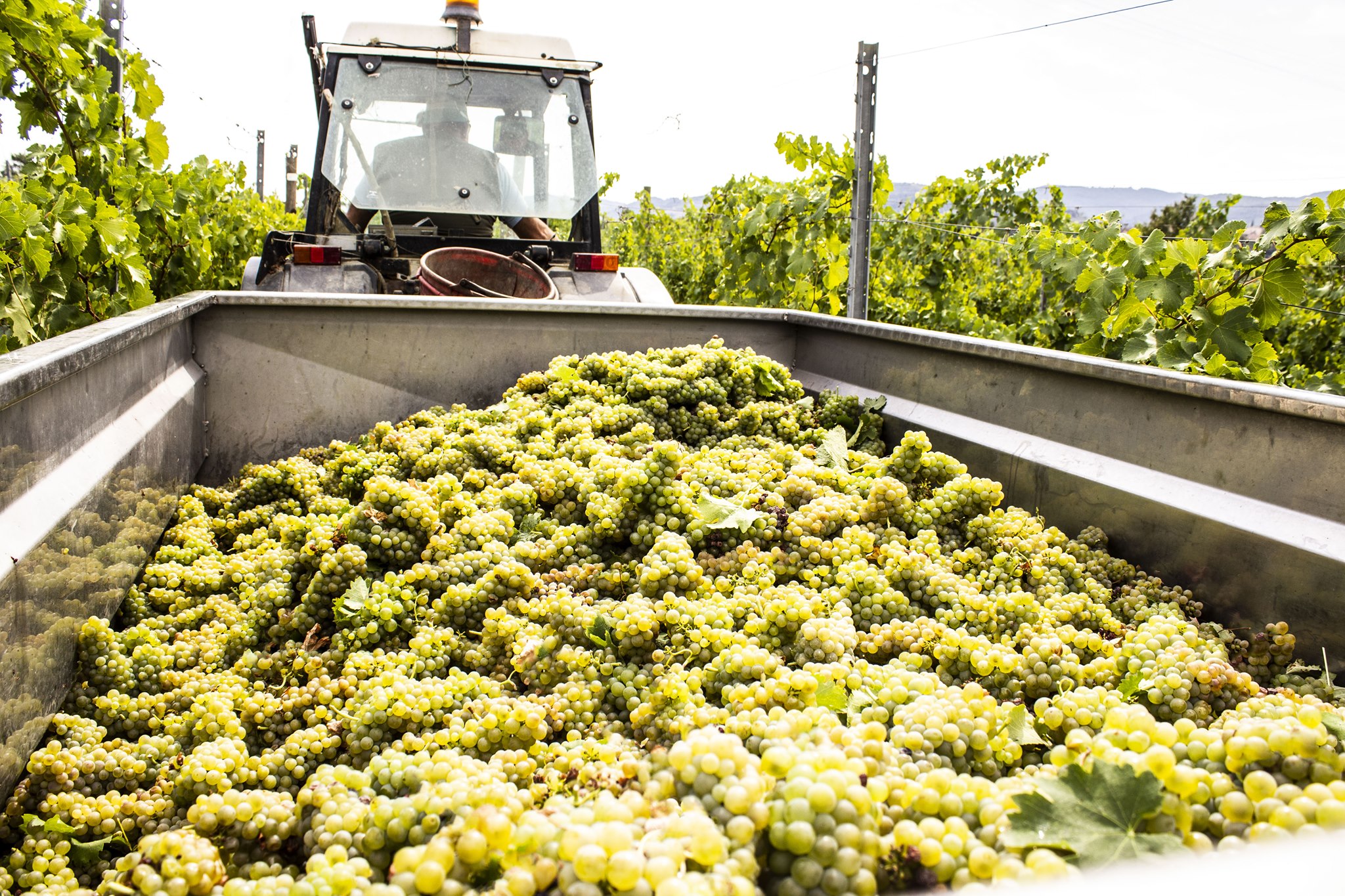
Heat accelerates grape ripening
Extreme heat, prolonged drought and storms have brought Umbria’s 2026 grape harvest forward, forcing wineries to adjust picking schedules to protect quality. Umbria24 reported that summer heatwaves accelerated ripening, while water stress increased the risk of damage in vineyards.
Producers of sparkling-wine bases and still white wines, whose grapes ripen relatively early, were the first to begin. Fabio Antonelli, owner of the winery bearing his name and president of Confagricoltura Umbria’s regional wine section, said harvesting for sparkling-wine bases started before Ferragosto, the Italian holiday on 15 August. Timing is particularly important for these wines because growers must preserve the balance between sugar and acidity.
Harvesting of Umbria’s medium-to-late-ripening varieties followed from the second-to-last week of August. Antonelli said the picking window was less staggered than in previous years. Even Sagrantino, normally harvested at its optimum in October, was expected to be collected earlier. Confagricoltura projected that little fruit would remain on vines after mid-September because berries had ripened quickly and developed very high sugar levels. The association said this would not compromise final wine quality.
Regional production holds up, but inventories weigh on prices
Despite the difficult weather, Confagricoltura expects Umbria’s wine production to be slightly higher than in the previous year. Antonelli said the regional five-year average had remained stable. Results vary significantly between vineyards: some areas recorded production declines of 10% or 15%, but output across Umbria was described as good.
The commercial outlook is weaker. Italian wine inventories remain high, increasing available supply and putting downward pressure on finished-wine prices. Antonelli said the Montefalco consortium had no accumulated stocks, but the market for grapes was subdued and many growers were struggling to place their crop.
Limited coverage by cooperative wineries creates another problem for smaller vineyards. According to Confagricoltura, some areas lack sufficient cooperative capacity, and grapes can be lost when small growers cannot afford the high cost of turning them into wine. Greater collaboration among producers and joint promotion of Umbria’s regional identity could help these businesses reach buyers.
Exports fall as wineries seek new markets
Wine exports declined by almost 7% in the first four months of 2026, according to figures cited by Umbria24, with shipments to the United States down 15%. Germany and England also recorded declines, while Brazil, China and Russia posted growth. Antonelli said international exports were falling in both Umbria and Italy, while domestic sales remained stable.
Montefalco’s performance illustrates the pressure on prices. Sales volumes increased by 1% in the first half of the year, but value declined by 3% as the average price fell. Quality tourism and wine tourism are expanding in Umbria, offering wineries an additional sales channel, but wine consumption in restaurants is decreasing. With inventories elevated and the grape market weak, producers are being pushed to intensify promotion, cooperate more closely and develop foreign markets where demand is still growing.