Health trends and GLP-1 drugs reshape global ice-cream strategies
Ice-cream producers are developing smaller portions, cleaner recipes and products with more protein and fewer calories as health priorities and GLP-1 drugs change eating habits. Magnum, Ben & Jerry’s owner The Magnum Ice Cream Company and Ferrero brands are competing for growth while preserving taste and indulgence.
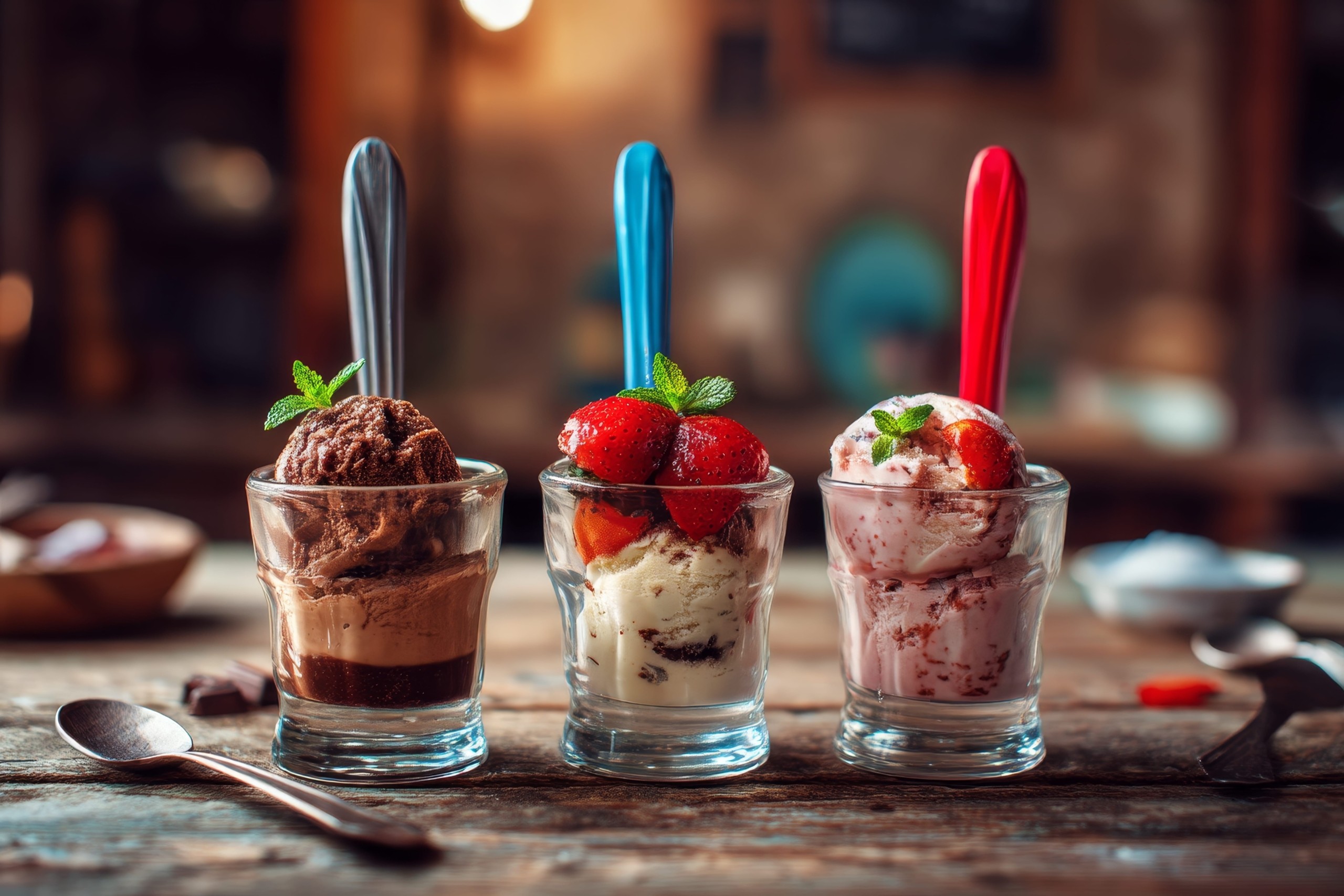
Appetite suppression reaches the freezer aisle
Ice-cream manufacturers are preparing for a market in which consumers still want indulgence but scrutinize calories, portion sizes and ingredients more closely. Reuters, as cited by newmoney.gr, reports that wider use of appetite-suppressing GLP-1 medicines, healthier dietary choices and greater attention to food composition are pushing producers to reformulate products and rethink their portfolios.
The immediate sales picture is mixed. NielsenIQ data show that US ice-cream sales fell 1.5% year on year through June 13. Boston Consulting Group found that consumers taking GLP-1 medicines reduced their consumption of frozen desserts by at least 10%. The consultancy estimates that about 16 million Americans currently use these medicines and expects the number to rise significantly by the end of the decade.
Other indicators suggest that consumers are changing what they buy rather than abandoning the category. Circana recorded a 2.8% increase in US ice-cream sales by value over the past year, while NielsenIQ found that super-premium was the only segment to grow in volume. The combination points to a market increasingly divided between products offering nutritional reassurance and smaller quantities of higher-quality ice cream.
Magnum and Ferrero expand better-for-you ranges
The Magnum Ice Cream Company, owner of Magnum and Ben & Jerry’s, is accelerating development in products positioned around wellness. Its frozen Greek-yogurt brand Yasso achieved average annual sales growth of about 20% over the past five years. Breyers CarbSmart and Popsicle Sugar-Free are also proving particularly attractive to consumers using GLP-1 medicines, according to Lisa Vortsman, the company’s US marketing and innovation director.
The group holds 26% of the $2.2 billion US market for ice creams marketed with wellness or added nutritional benefits. Its product strategy centers on higher protein, fewer calories and controlled portions while retaining the sensory appeal expected from an indulgent category. That balance is critical because producers say they have not yet seen clear evidence of a broad collapse in ice-cream consumption.
Ferrero is pursuing the same opportunity through Blue Bunny and Halo Top. Blue Bunny reports strong demand for its 150-calorie Mini Swirls and is revising recipes to reduce ingredients such as high-fructose corn syrup, artificial colors and artificial flavors. Halo Top offers products with roughly half the calories of leading competing products while emphasizing protein and flavor rather than simply reducing serving size.
Circana says Halo Top sales posted double-digit growth over the past two years, compared with growth of about 2.5% for the overall ice-cream market. The performance indicates that reformulation can attract demand when the health claim does not require consumers to surrender taste or the perception of a full dessert experience.
A global test of taste, quality and portion size
The shift extends beyond the United States. Glacier, one of Europe’s largest ice-cream producers, is seeing stronger demand for smaller quantities, higher-quality products and lower-calorie ice creams. Chief executive Matt Frost said consumers taking GLP-1 medicines want an occasional sweet product to feel worthwhile and warned that healthier alternatives will not generate repeat purchases if taste is compromised.
For producers, processors and ingredient suppliers, the competitive question is therefore broader than calorie reduction. Recipe changes affect demand for sweeteners, colors, flavors, proteins and other inputs, while smaller formats require different packaging and price architecture. Nestlé and Conagra are also adapting foods as consumers seek more protein, fiber and nutritional value, showing that ice cream is part of a wider change across packaged food.
Summer heat can still support seasonal sales, but the longer-term contest will be over products that justify their place in more selective diets. The available data do not show the disappearance of indulgence. They show consumers placing a higher value on formulation, quality and portion control, forcing global brands to innovate without weakening the taste that drives repeat purchases.