Health-conscious shift weighs on beer as brewers and soft-drink groups expand functional ranges
Global beer consumption fell 0.7% as the healthy-beverage market grew 6%, according to figures reported by O Povo. Ambev is responding with a protein-enriched alcohol-free beer, while Minalba Brasil is expanding into ready-to-drink tea.
Health trend changes beverage demand
Health-conscious consumption is putting pressure on the global beer market and prompting beverage companies to broaden their alcohol-free, sugar-free and functional portfolios. Global beer consumption declined 0.7%, according to BarthHaas data cited by O Povo, while the healthy-beverage market grew 6%.
The shift predates the latest fall in beer demand. Euromonitor's 2023 Voice of the Consumer Health and Nutrition Survey found that 36% of consumers globally and 31% in Brazil preferred natural foods. O Povo also cited projections showing strong growth in several health-oriented food categories in Brazil through 2028.
Under those projections, the Brazilian fruit segment would rise from R$ 144.5 billion in 2023 to R$ 208.2 billion in 2028. Fresh vegetables would increase from R$ 67.3 billion to R$ 96.8 billion, oilseeds from R$ 17.3 billion to R$ 26.1 billion, and plant-based snacks and healthy chips from R$ 179.4 million to R$ 470.3 million.
Ambev adds protein to alcohol-free beer
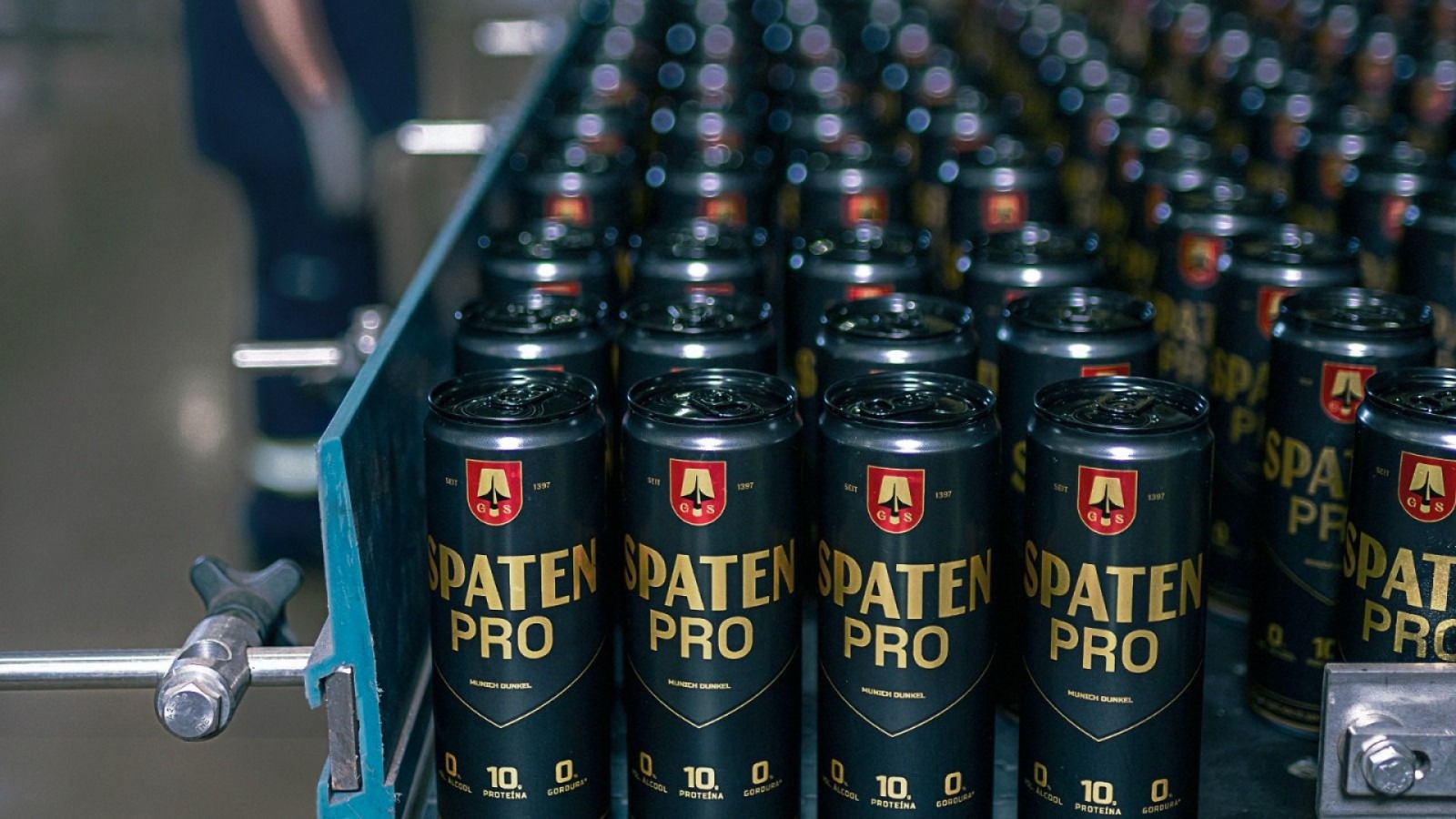
Major brewers are adapting their product ranges as consumers seek alternatives to conventional beer. Ambev has introduced Spaten PRO, an alcohol-free beer containing 10 grams of protein per unit. Developed at the company's Innovation and Technology Center in Rio de Janeiro, the product combines a pure-malt recipe with added protein.
Spaten PRO is scheduled to reach the market in September, initially in Rio de Janeiro and São Paulo. According to Ambev, nutritionists, specialist physicians, food engineers and brewmasters participated in developing the formulation. The product joins a portfolio that already includes gluten-free, zero-alcohol, zero-sugar and lower-carbohydrate options under brands including Stella Pure Gold, Michelob Ultra, Corona Cero and Skol Zero Zero.
Minalba targets ready-to-drink tea
Brazil's Edson Queiroz Group is pursuing the same demand shift through Minalba Brasil. After investing in zero-sugar soft drinks, doubling its non-alcoholic product line and releasing a sugar-free version of Night Power energy drink, the company has launched Ice Tea Indaiá. Minalba says Night Power has become the fourth-best-selling brand in its segment in Ceará.
The tea range includes lemon and peach flavours. It is sold in a 269 ml carbonated can and in still 250 ml and 1 litre PET bottles. Christina Larroude, marketing director at Minalba Brasil, told O Povo that the company sees potential for ready-to-drink tea to become a category as large as soft drinks.
Minalba considers the tea market relatively underdeveloped, particularly in Brazil's Northeast, and expects faster regional growth there than in the more mature southeastern market represented by Rio de Janeiro. It aims to rank among the market's three largest investors, using tastings, retail support, restaurants, bars and event sponsorships to build demand. The company did not disclose the investment behind the launch and promotional campaign.
The strategy is backed by plans to expand manufacturing capacity and tailor marketing by region, with particular emphasis on the Northeast. Minalba's beverage division already leads the water market with its 20 litre container and a portfolio of eight imported and domestic brands, including S.Pellegrino, Acqua Panna, Perrier, São Lourenço, Minalba, Indaiá, Nestlé Pureza Vital and Petrópolis. For beverage producers and retailers, the initiatives show how falling conventional beer demand is redirecting product development and shelf space toward functional and non-alcoholic formats.