Guyana Orders Halt to Banana Imports From Suriname to Protect Local Growers
Guyana has ordered a halt to banana imports from Suriname, arguing that domestic farmers already produce enough for the local market. The decision also exposes a gap between official records, which show no such imports, and informal produce movements across the Corentyne River.
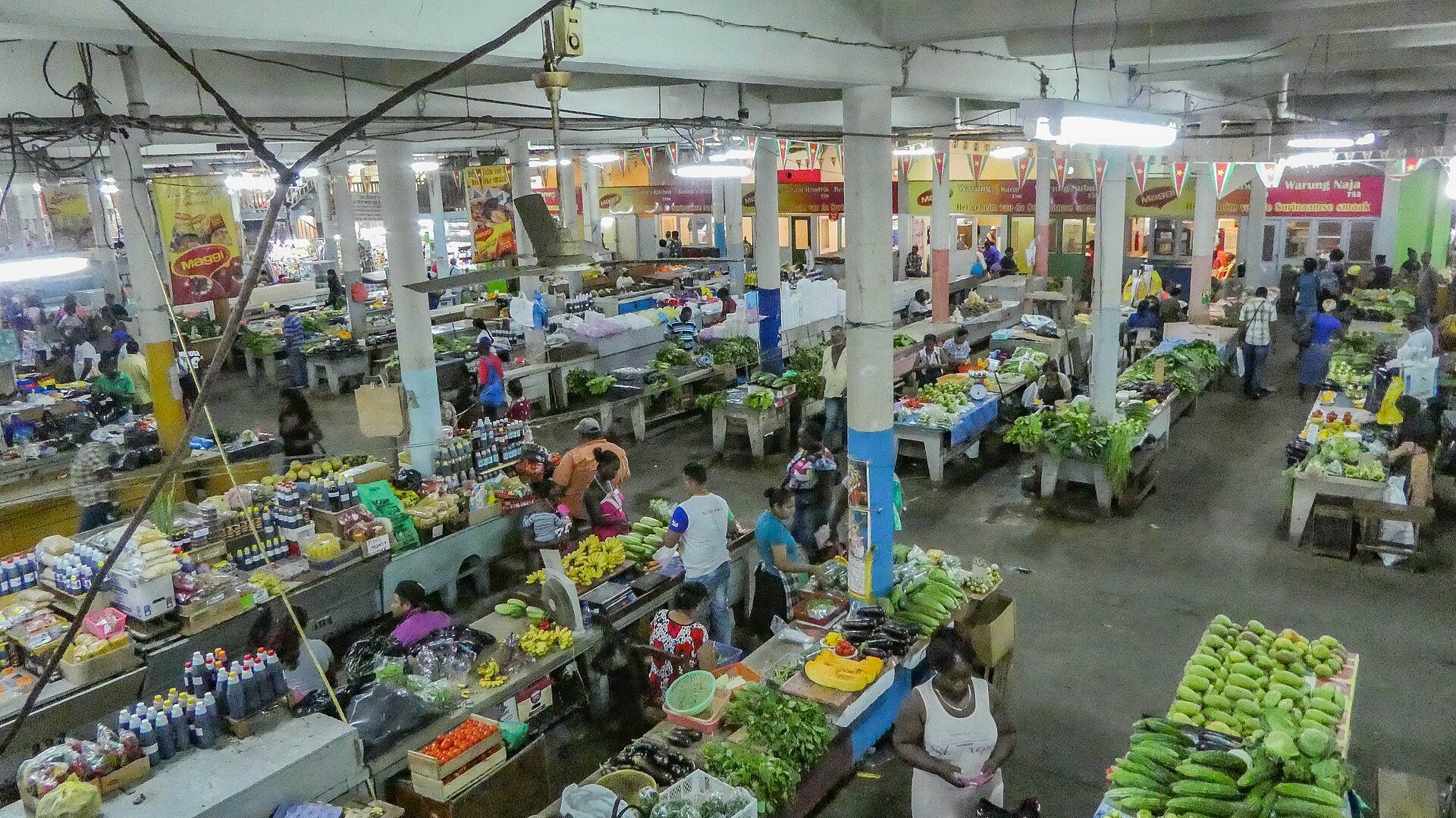
Government cites sufficient domestic supply
Guyana has ordered a halt to banana imports from neighbouring Suriname, saying domestic farmers are already producing enough fruit to supply the national market. Agriculture Minister Zulfikar Mustapha announced the instruction on 30 September 2026 in an interview with Demerara Waves Online News.
Mustapha said he had received several unofficial complaints that Surinamese bananas were entering Guyana. He instructed officials to stop the imports because local growers could meet demand. The minister presented the decision as an application of existing agricultural policy: when domestic production of a fruit is sufficient, imports should not be permitted.
No official notice, tariff change or list of affected traders had been published by 1 October. The available account therefore rests on the minister’s interview, subsequently reported by Surinamese publications Dagblad Suriname and Waterkant. Suriname’s government had not issued a public response by that date.
Official records contrast with informal trade
The decision contains a central discrepancy. Mustapha said that, according to official records, Guyana was not importing any bananas from Suriname. No volume or value for the trade has been published. His intervention appears instead to address fruit moving through unofficial channels and therefore remaining outside customs statistics.
Guyana and Suriname share a border along the Corentyne River, where ferries and small boats carry passengers and goods. Produce moving through informal river traffic can reach local markets without being fully recorded, inspected or taxed. This makes enforcement more difficult than stopping shipments passing through a conventional commercial port.
A previous incident illustrates the problem. In July 2025, Surinamese police intercepted a truckload of bananas intended for transport to Guyana across the Corentyne without export permits, according to Suriname Herald. The crossing has also faced operational disruption: ferry services were suspended in August before resuming on 28 August 2026.
Growers, traders and consumers face different effects
For Guyanese banana producers, the order reduces competition from Surinamese fruit in domestic markets. If local farms can consistently cover national consumption, limiting incoming supplies may support sales and prices received by growers. The policy is not necessarily permanent, however. Mustapha indicated that imports can return when domestic harvests are insufficient to meet demand.
Surinamese producers and small traders risk losing a nearby outlet for surplus bananas. The short cross-border route offers access to Guyanese buyers without the transport requirements associated with more distant destinations. If the restriction is effectively enforced, additional fruit could remain in Suriname and increase supply in domestic markets, including Paramaribo.
The consequences for Guyanese consumers will depend on the reliability of local production and the reach of border enforcement. Adequate domestic harvests could keep markets supplied, while fewer competing sellers may reduce downward pressure on prices. Informal river movements may also continue if enforcement resources are limited.
The immediate trade value appears small, but the measure could become a bilateral issue if Suriname challenges it or seeks clarification. Until Guyana publishes a formal order and enforcement procedure, importers, traders and border officials lack detailed guidance on which shipments are prohibited and how the restriction will operate.