Guinea targets five to six alumina refineries by 2030 to process its bauxite at home
Guinea aims to build five to six alumina refineries by 2030 to transform more of its bauxite domestically, according to Agence Ecofin. The plan would move the country further up the aluminium value chain and reshape its position in the global alumina market.
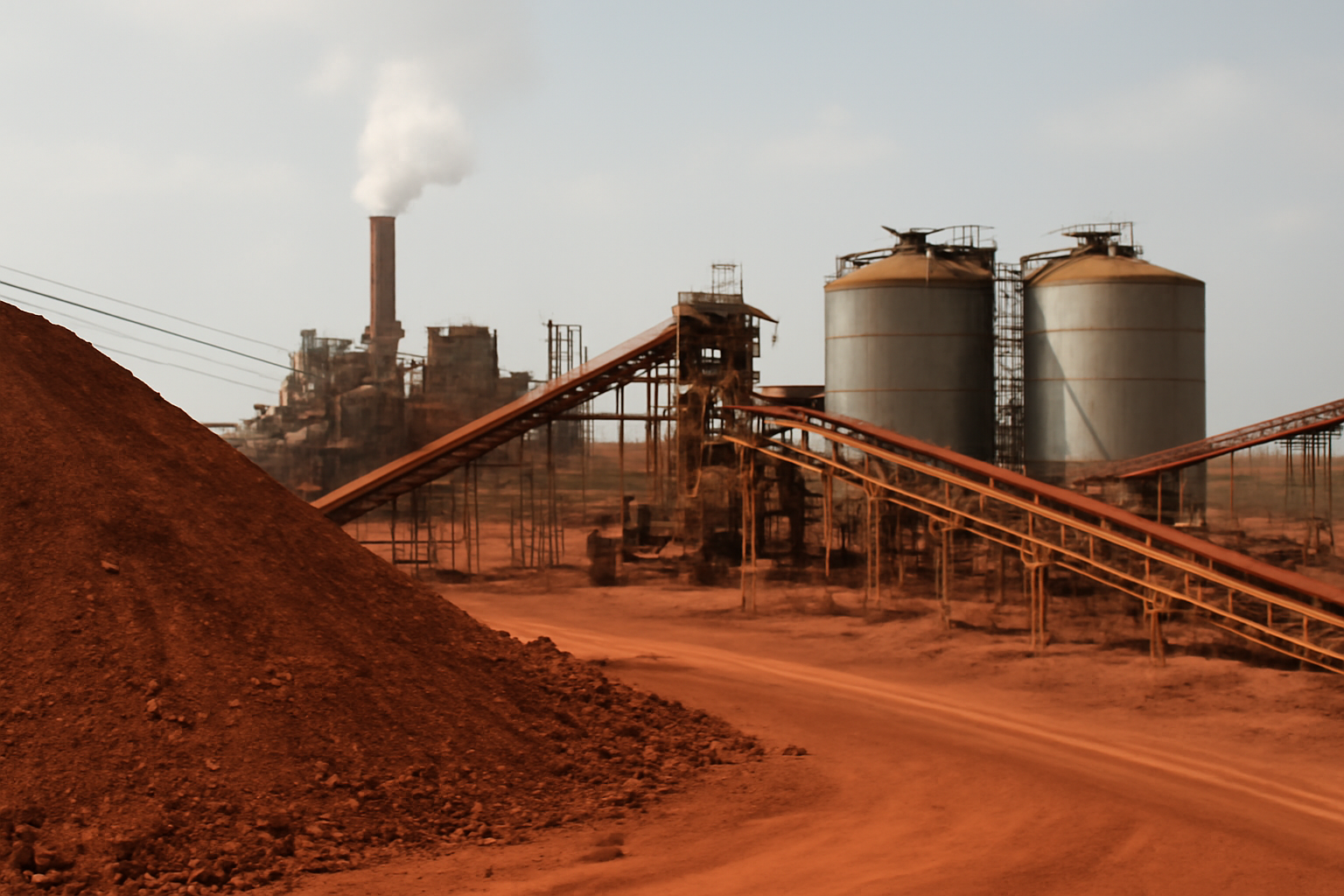
Guinea sets sights on domestic alumina refining
Guinea has set a target of building five to six alumina refineries by 2030 to accelerate the local transformation of its bauxite, according to Agence Ecofin. The move is intended to capture more value at home from a resource the country currently exports largely in raw form.
Bauxite is the primary raw material for alumina, which in turn is smelted into aluminium. By refining bauxite into alumina domestically rather than shipping the ore abroad for processing, Guinea would climb a step higher in the aluminium value chain.
Repositioning in the global alumina market
The plan, as reported by Agence Ecofin, would reshape Guinea's place in the global alumina market, shifting the country from a supplier of raw ore toward a producer of processed material. For importers and metals buyers, more refining capacity at the source could alter established trade flows in bauxite and alumina.
What it means for trade flows
Guinea is one of the world's major bauxite suppliers. A shift toward domestic refining would change the mix of what the country ships: less raw bauxite for processing elsewhere, and more alumina ready for smelting. Buyers and traders that currently source Guinean ore would need to track how quickly refining capacity comes online against the 2030 target.
Execution is the open question
The scale of the ambition — five to six refineries within roughly the current decade — makes execution the central uncertainty. Building alumina refining capacity is capital-intensive and time-consuming, and the pace at which Guinea reaches its target will determine how far its market position actually shifts.