Guinea Adds 40,000 Tonnes of Storage Capacity to Protect Domestic Harvests
Guinea is adding 40,000 tonnes of food-storage capacity to improve harvest preservation and reduce post-harvest losses. The investment could strengthen domestic supply resilience, although its impact will depend on access, operating standards and links with producers and markets.
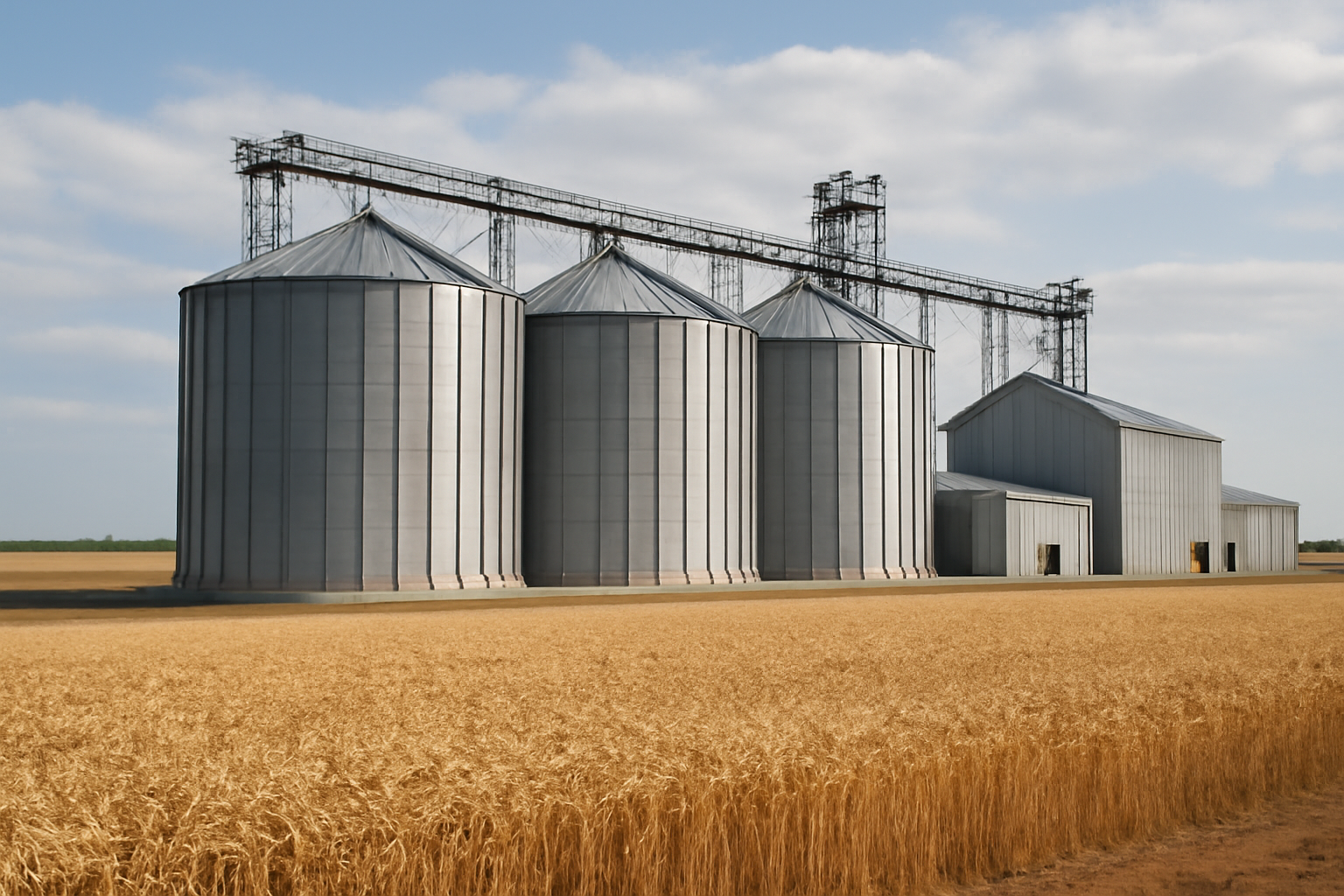
Guinea expands its storage network
Guinea is adding 40,000 tonnes to its food-storage capacity, according to Agence Ecofin. The expansion is intended to help the country preserve domestic harvests more effectively and limit losses after crops leave the field.
The additional capacity addresses a critical stage between production and consumption. Crops can lose commercial value when storage is unavailable or unsuitable, weakening the volume and quality of food reaching processors, wholesalers and consumers. More capacity gives market participants greater scope to hold produce instead of selling it immediately or allowing it to deteriorate.
Potential gains for producers and buyers
For farmers and producer groups, access to storage can widen the period in which crops remain marketable. It may also reduce pressure to dispose of produce soon after harvest, when local supplies are concentrated. The practical benefit, however, will depend on which production areas can use the facilities, what crops they are designed to handle and how storage services are priced.
Processors and traders could benefit from a more dependable flow of domestic raw materials. Better-preserved crops can support procurement beyond the immediate harvest period and make planning easier for businesses that aggregate, transport or transform agricultural output. The source material does not specify the commodities covered, the location of the facilities or when the full 40,000 tonnes will become operational.
Storage volume alone does not guarantee lower losses. Effective handling, moisture control, pest management, inventory monitoring and reliable transport are also necessary to preserve quality. Clear operating rules will matter because poorly managed facilities can move losses from farms to warehouses rather than prevent them.
Food-supply resilience
For Guinea’s food market, the central question is how much of the new capacity will be accessible during peak harvest periods. Facilities connected to producing regions and major consumption centres can help smooth the movement of crops through the domestic supply chain. If access is limited or logistics remain costly, the headline capacity may have a smaller effect on actual market availability.
The project nevertheless increases the physical buffer available to the country. By retaining a larger share of domestic production in usable condition, Guinea can strengthen the continuity of food supplies and improve the value captured from existing harvests. The next indicators for producers, processors and market analysts will be utilisation rates, stored volumes, commodity coverage and measured reductions in post-harvest losses.