Temperatures Above 35C Threaten Guatemala's Staple-Grain Crops as MAGA Extends Monitoring to 2027
Guatemala's agriculture ministry has warned producers in at least 12 departments of temperatures above 35 degrees Celsius this week, with maize, beans, coffee, sugarcane, bananas and cardamom exposed. Monitoring of El Niño damage to staple grains will run until at least March 2027. A white maize import quota of 50,000 tonnes remains roughly 43,000 tonnes unused.
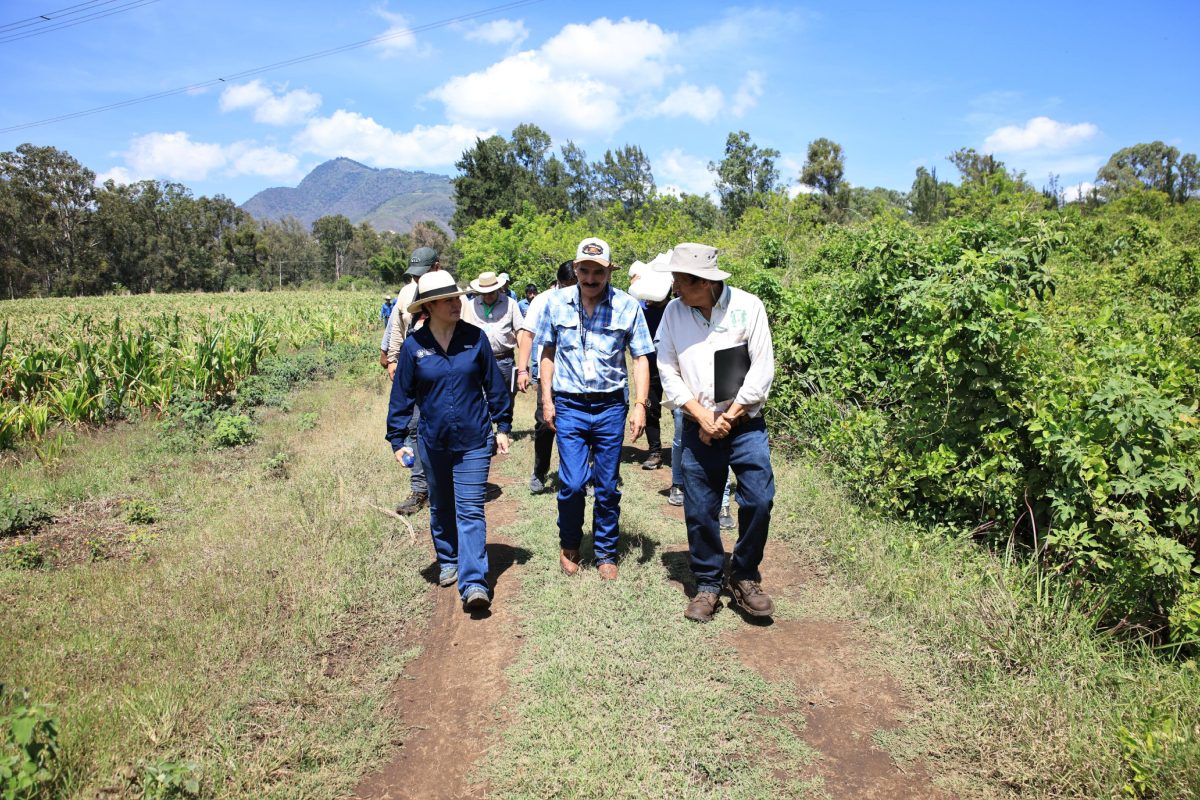
Guatemala’s Ministry of Agriculture, Livestock and Food (MAGA) has told producers in at least 12 departments to watch their fields closely this week, as temperatures above 35 degrees Celsius compound a moisture deficit linked to a prolonged El Niño. According to La Hora, the ministry will keep its agroclimatic and staple-grain monitoring running at least until March 2027, when a new technical assessment will determine whether additional measures are needed.
Agriculture Minister Fernanda Rivera said the country is going through an atypical year, with several overlapping weather events hitting production and water availability for crops — chief among them the extension of El Niño. Staple grains are the priority in the monitoring programme.
Twelve departments exposed to heat and dry soils
MAGA said the conditions could affect maize, beans, sugarcane, coffee, bananas and cardamom, mainly in Petén, Escuintla, Alta Verapaz, Izabal, Retalhuleu, Suchitepéquez, Santa Rosa, Jutiapa, Quiché, Zacapa, El Progreso and Chiquimula. Scattered rain is forecast in some areas, but the ministry warned it may not be enough to bring soil moisture back to adequate levels.
The ministry’s agrometeorological analysis, based on forecasts from the National Institute of Seismology, Volcanology, Meteorology and Hydrology (Insivumeh), points to rainfall and lightning activity in the afternoons and evenings, mainly from the south to the centre of the country.
Irrigation, water storage and herd management
The Vice-Ministry of Rural Economic Development (Vider) recommended prioritising irrigation for maize, beans and other crops showing signs of stress, particularly during flowering and grain filling. It also asked producers to use the scattered rain to store water in reservoirs, tanks and other water-harvesting systems, and to avoid planting where the soil does not hold enough moisture to guarantee germination.
In livestock areas, the Vice-Ministry of Agricultural Health and Regulations (Visar) advised keeping shade and clean water available for animals, reviewing pasture condition and adjusting herd numbers to prevent overgrazing.
Maize prices, import quotas and the northern harvest
Rivera said maize prices usually rise at this time of year because harvests from the north of the country have not yet fully reached the market. She described Petén and the Franja Transversal del Norte as the areas with the lowest climate risk and the highest productivity, so their entry into the market could help push prices down. “The harvests from these areas are coming out now — they are the ones with the least climate risk and the most productivity,” she said.
The government is also opening import quotas for staple grains, a measure MAGA coordinates with the Ministry of Economy (Mineco). Rivera said the white maize quota has been widened compared with the volume authorised at the start of the year. An initial quota of 50,000 metric tonnes was opened; roughly 7,000 tonnes have been used so far, leaving about 43,000 tonnes still available for import.
The minister said these volumes will help maintain availability of the product and regulate prices while domestic harvests begin to enter the market. “Prices will start to come down through normal market action, with white maize present in the areas,” she said.
Pressure on food costs is already visible elsewhere in the basket: La Hora reported that onion, tomato and other vegetables made the Basic Food Basket more expensive in August. Rivera also referred to upcoming farmers’ fairs to be held around the country.