Greek rice acreage falls up to 29% as costs and imports squeeze producers
Northern Greece’s rice area is expected to fall 22%-29% to 220,000-240,000 stremmas after production costs exceeded cultivation revenue by about 30%. EU rice imports reached 1.7 million tonnes in the latest marketing period, intensifying pressure on Greek growers and processors.
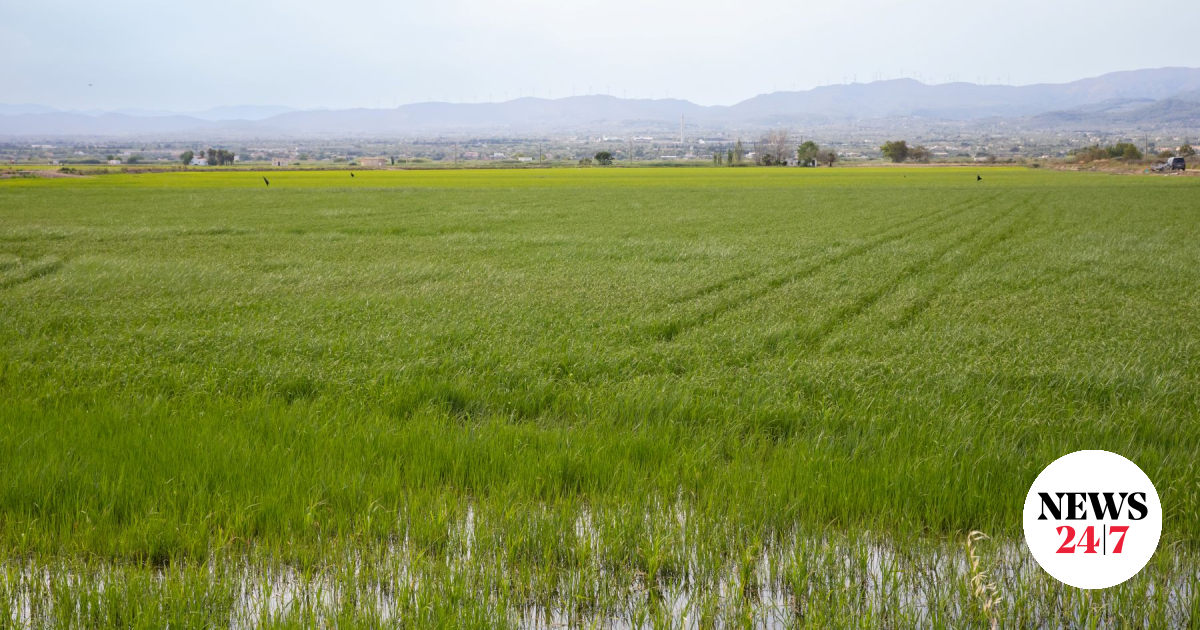
Planting area contracts in northern Greece
Rice acreage in northern Greece, the center of the country’s production, is expected to fall to 220,000-240,000 stremmas this year from more than 300,000 stremmas in the previous year. Industry representatives put the contraction at 22%-29%, according to News247 and Newsit.
Kostas Giannopoulos, general director of the Union of Agricultural Cooperatives of Thessaloniki, linked the decline to higher energy and input costs, weaker producer prices, imports from third countries and doubts about whether European safeguard mechanisms can respond quickly enough. In some areas, an estimated 2%-3% of available land may remain uncultivated rather than shift to another crop, News247 reported.
Costs exceed cultivation revenue
Giannopoulos estimated that production costs exceeded cultivation revenue by about 30%. A de minimis payment of €70 per stremma offset part of the loss but did not restore profitability. Vasileios Koukourikis, president of the Second Cooperative of Chalastra, said the producer price fell from €0.32 to €0.25 per kilogram.
Fertilizer prices have risen from about €400-€600 per tonne to €800-€1,000, according to Christos Tsichitas, president of the Union of Agricultural Cooperatives of Thessaloniki. Koukourikis said 100 liters of diesel cost approximately €220, roughly equal to the value of one tonne of rice. Fuel-tax refunds and government fertilizer support do not cover the full increase in costs, Tsichitas said.
EU imports add pressure
Data presented under the EU RICE program show that European Union rice imports reached about 1.7 million tonnes in the latest marketing period, with approximately 60% entering duty-free. Cambodia and Myanmar supplied a combined 550,000 tonnes under full tariff exemption. Newsit reported that 500,000 tonnes consisted of processed and packaged rice in formats of 5 to 20 kilograms, adding competitive pressure on European processors as well as farmers.
An EU safeguard agreed in the trilogue on December 1, 2025 provides for measures when imports reach 561,000 tonnes. That threshold is 45% above the average of the previous decade. Producers had proposed a 20% increase threshold, while the Council’s original proposal envisaged activation at 750,000 tonnes. Giannopoulos said imports covered by the relevant measure had already reached 550,000 tonnes, close to the trigger.
Export capacity and wetlands are also exposed
Greek rice production is estimated at about 150,000 tonnes, compared with domestic consumption of roughly 50,000 tonnes, according to Tsichitas. The balance is directed to foreign markets, making reduced planting a concern for exporters and the cooperatives that have invested in storage, drying and packaging. The First Agricultural Cooperative of Chalastra has invested about €5 million in such infrastructure over the past seven years; it has approximately 500 registered members and recorded turnover of about €22 million in 2024.
The contraction also has environmental implications. Rice fields serve seasonally as wetlands and support numerous species, particularly in areas such as the Axios Delta. Lower acreage could therefore affect both the agricultural economy and wetland management, while growers face pressure to reduce water use and chemical inputs. The immediate commercial test is whether lower costs, stronger producer prices or more effective trade safeguards can prevent another retreat in planting.