Greek Survey Finds 52% of Retailers Use Digital Age Checks for Nicotine Sales
A nationwide Imperial Brands Hellas survey found that 52% of participating Greek retailers use digital tools to verify age when selling products restricted to customers aged 18 and over. While 84% reported receiving substantial information and support, retailers are seeking clearer institutional communication and better digital tools.
Survey covers 7,584 retail professionals
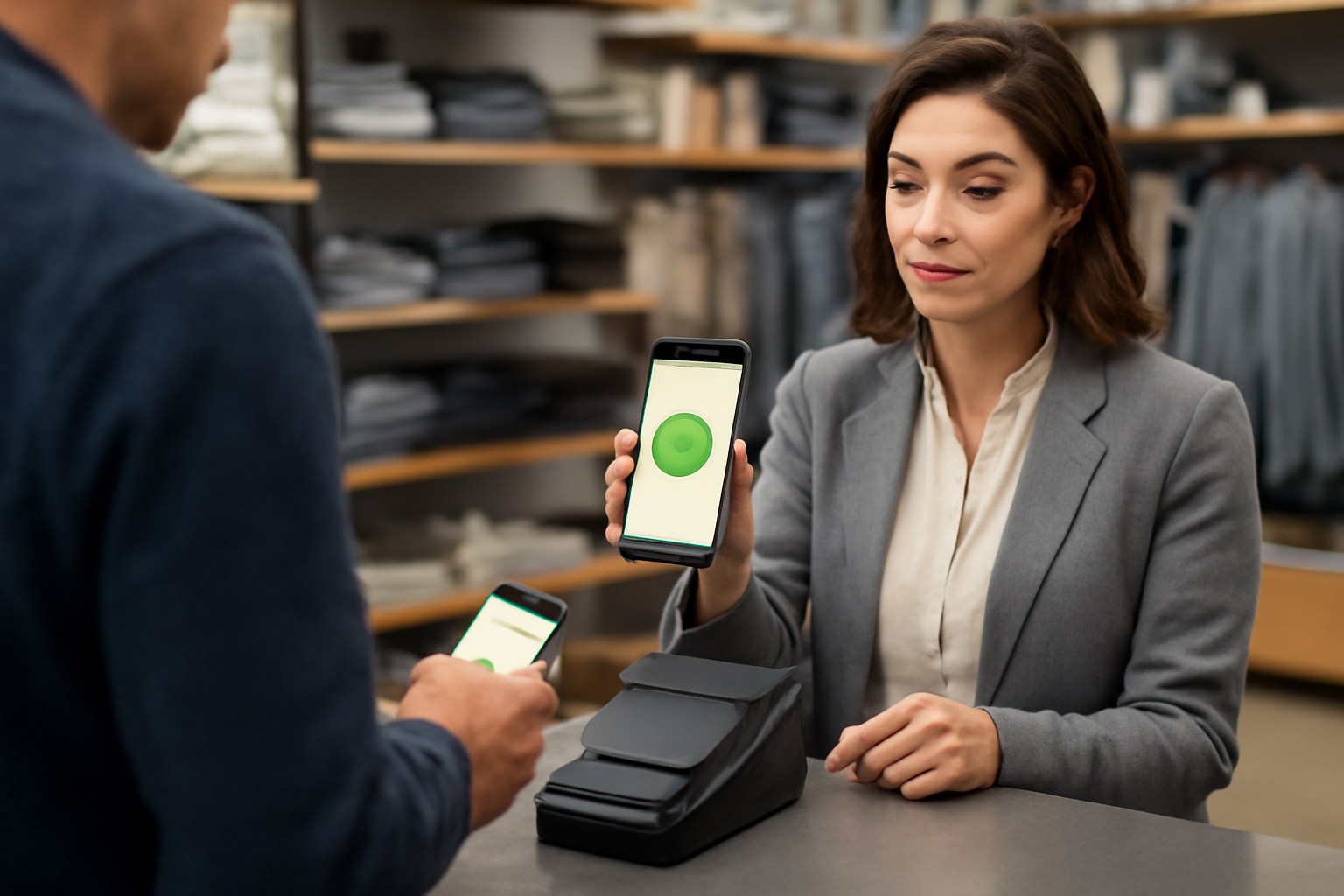
More than half of the Greek retailers surveyed by Imperial Brands Hellas are using digital age-verification tools when selling nicotine products and other goods restricted to adults. The company’s first nationwide study of the new procedures found that 52% of participating retail professionals already use Gov.gr Wallet and Kids Wallet for transactions involving products available only to customers aged 18 and over.
The survey covered 7,584 retail professionals across Greece between 28 May and 22 July 2026. Imperial Brands Hellas had overall responsibility for its design and implementation. The company published the final findings on 4 September as part of its “Together in Protecting Minors” initiative, presenting the results as a measure of how retailers are adapting to the new institutional framework.
Information campaign reached more than 20,000 outlets
The research formed the second phase of a broader programme. During the first phase, Imperial Brands Hellas conducted an information campaign and on-site visits at more than 20,000 retail outlets across Greece. Retailers received guidance on their new obligations, registration in the Digital Register for the Control of Tobacco Products and Other Non-Tobacco Products, and the digital tools available for confirming a customer’s age.
The survey indicates that this outreach produced a high level of reported awareness. A total of 84% of respondents said they had received complete information and support, or had received it to a large extent, for the implementation of the new procedures. Separately, 73% described the available digital age-verification tools as fairly or very useful in the daily operation of their stores. The difference between that figure and the 52% reporting actual use suggests that perceived value has not yet translated into universal adoption.
Retailers identify gaps in implementation
Most respondents also accepted the stated purpose of the measures, although support was less widespread than reported awareness. According to Imperial Brands Hellas, 58% believed that initiatives including age verification and the Digital Register contribute substantially or to a significant degree to protecting minors. The findings reflect retailers’ own assessments rather than an independent test of whether individual outlets correctly refused sales to underage customers.
For the next stage, participating retailers identified stronger communication from public institutions and further improvement of the digital tools as priorities. These requests point to the practical burden of integrating checks into routine transactions, particularly where staff need clear instructions and reliable technology. For tobacco and nicotine retailers, consistent procedures will be important both for compliance and for avoiding different standards between outlets.
Company plans further retailer support
Imperial Brands Hellas said it will use the findings to design further information and support activities for the retail market. Nikos Nikiforidis, the company’s chairman and chief executive, said the value of the research was that it captured the experience of the professionals required to apply the framework. He linked effective implementation to retailers having sufficient information, tools and support, in addition to the legislation itself.
The results provide an early snapshot rather than a final compliance assessment. Digital checks are already part of transactions at 52% of surveyed businesses, but nearly half do not report using them. The next phase will therefore test whether additional guidance, institutional coordination and technical improvements can close that gap and establish more consistent age verification across Greece’s nicotine retail market.