Greek ready-meal market exceeds €1 billion as supermarkets gain ground
Greece’s ready-meal market exceeded €1 billion in 2025, with annual growth estimated at about 3%. Supermarkets are expanding their offer as household spending reaches approximately €770 a year.
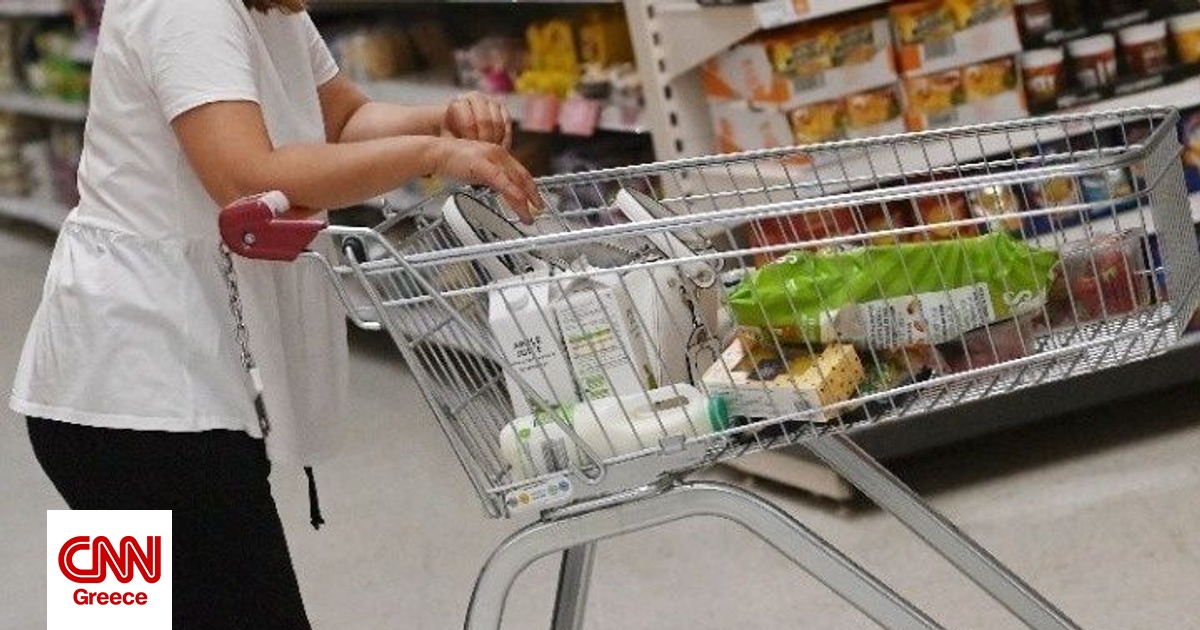
Ready-meal sales pass €1 billion
Greece’s ready-meal market exceeded €1 billion in turnover in 2025, becoming an increasingly important segment for supermarkets, food manufacturers and food-service operators. Apostolos Petalas, general director of the Association of Supermarket Businesses of Greece, estimated annual growth at approximately 3%, according to CNN Greece and SBC TV.
Households spend an average of €14.79 a week on prepared meals, equivalent to roughly €770 a year. A nationwide survey by the Research Institute of Retail Consumer Goods found that 29% of consumers buy cooked food from supermarkets, up from 16% in 2016. The increase indicates that organized retail is capturing a larger share of meals previously prepared at home or purchased from traditional food-service businesses.
The main driver is limited time. According to the survey, 41% of consumers choosing ready-made food say they do not have enough time to cook. Another 19% consider cooking uneconomical when preparing meals for only a few people. Smaller households and greater urbanization are reinforcing demand for convenient portions that require little or no preparation.
Supermarkets expand from groceries into meals
Large chains are allocating more shelf, refrigerator and counter space to prepared food. Their ranges now extend from roast chicken and salads to cooked dishes and bakery products. SBC TV reports that retailers are also working with chefs and introducing their own brands, giving supermarkets greater control over assortment, pricing and product positioning.
This expansion is turning stores into hybrid venues combining conventional grocery shopping with food intended for immediate consumption. Delivery platforms such as Wolt and efood are accelerating the trend by making supermarket meals easier to order. The shift increases competition with restaurants and smaller neighborhood food outlets, while creating opportunities for processors, packaging suppliers and temperature-controlled logistics providers.
Demand is also becoming more segmented. Consumers are looking for specialized products including high-protein, vegan and gluten-free meals. Suppliers therefore face a market in which convenience alone is insufficient: assortment, perceived health benefits, taste and value increasingly influence which products secure refrigerator and shelf space.
Costs and consumer resistance limit growth
The category’s expansion is occurring against a relatively stable supermarket pricing environment. SBC TV reported that prices across Greek supermarket chains declined by 0.15% year on year in August 2026. Lower prices for fruit, vegetables and fresh meat contributed, alongside an agreement among industry, the supply chain and the government to freeze price increases in July and August.
Cost risks have not disappeared. Energy and packaging-material expenses continue to pressure producers and retailers. Petalas warned that renewed price increases could emerge after October in Greece and the rest of Europe if geopolitical tensions do not ease. For ready-meal suppliers, higher input costs could make it harder to maintain the price advantage that supports purchases by time-constrained households.
Home cooking nevertheless remains the preferred option for most consumers, who generally regard it as tastier and healthier. SBC TV said almost four in ten consumers do not buy ready meals at all. Prepared food is therefore still largely a complementary solution rather than a replacement for domestic cooking. Even so, the rise from 16% to 29% supermarket participation within a decade gives retailers and manufacturers a sizeable growth channel, provided they can balance convenience, quality and price.