Greek kiwifruit volumes forecast up 25-30%, Italy counters with quality and segmentation
Greece is heading into a potentially record kiwifruit season with volumes forecast 25-30% above last year, according to italiafruit.net. Italy expects good availability, positive quality and a skew towards medium-large sizes. Trade sources say the two origins may compete less directly than aggregate volumes suggest, with size, shelf life and varietal mix deciding the 2026/27 European campaign.
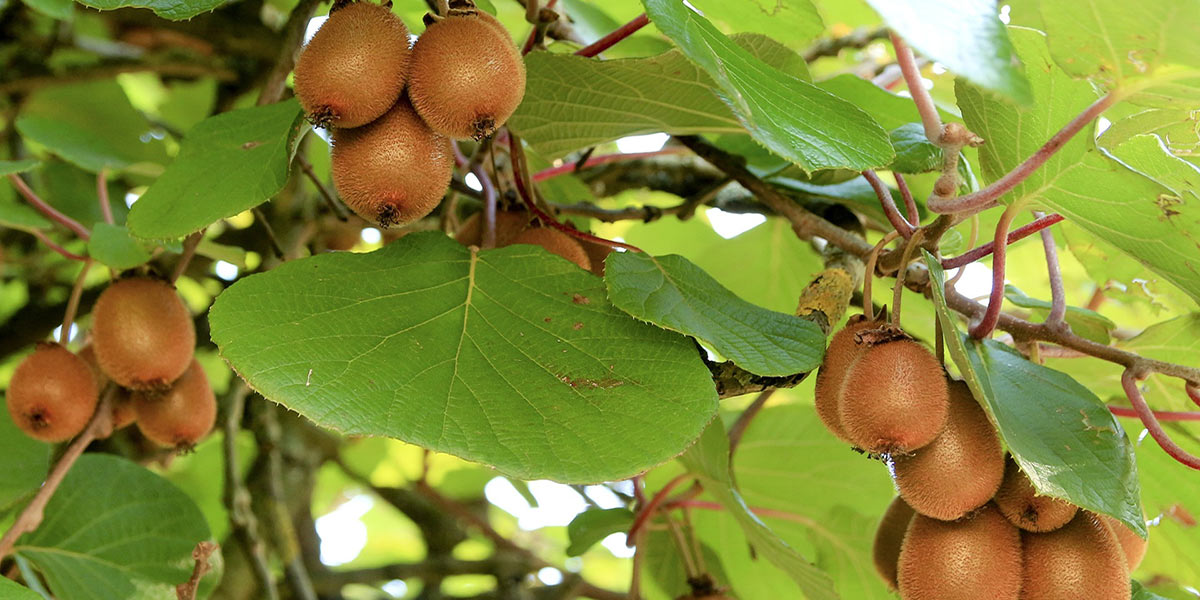
Greece is preparing for a potentially record kiwifruit season, with volumes forecast to grow 25 to 30 percent against last year, according to the Italian trade publication italiafruit.net. Italy heads into its own harvest with good availability, generally positive quality and fruit weighted towards medium-large sizes. Taken together the figures point to heavy supply in the 2026/27 European campaign, but the outlet warns that reading the season on volume alone is a mistake.
Greece pushes volume, Italy pushes segmentation
Marco De Nadai, an intercontinental export specialist and licensee of the Red Passion and Gold Passion kiwifruit varieties, told italiafruit.net that the decisive variable will be product mix rather than headline tonnage. “The real element to watch will not only be how much is harvested, but above all what product reaches the market,” he said. Greece will have large volumes to place, he added, but the production increase is expected to come with a significant share of medium-small sizes, a consequence of high yields. Questions also remain over general quality and over the storage capacity of part of the crop.
For Italy, De Nadai argues, the lever is segmentation of the offer. Italian fruit can find a competitive advantage in the combination of size, quality and holding capacity, particularly in programmes aimed at distant markets and premium segments. On that basis Italy and Greece may compete less directly than aggregate data suggest: Greece is positioned to play aggressively on the commercial front and in European retail chain programmes, while Italy has the option to concentrate on value creation, shelf life and differentiation.
Southern Hemisphere exit opens a window
The gradual withdrawal of Southern Hemisphere supply is working in Europe’s favour. Chile is closing its export season before European production fully enters the market, creating a window for Northern Hemisphere fruit, according to italiafruit.net.
“The main international markets are looking again towards Europe and the Mediterranean to rebuild their sourcing programmes,” De Nadai said. That returning demand, he added, can soften the effect of an abundant European crop, at least in the first phase of the season.
The risk is not too much fruit, but starting too early
On this reading the greater danger is haste rather than oversupply. With Greek volumes at record levels and the usual tension at the start of a campaign, the temptation to bring harvest and marketing forward in order to take market position will be strong, and De Nadai calls it probably the most expensive mistake available. Commercial value in kiwifruit, he says, is built first in the orchard and at picking, determined by:
- dry matter content
- Brix level
- firmness
- uniformity
- correct physiological maturity
Those parameters set not only the quality the consumer perceives but also the fruit’s ability to travel long distances and to extend the commercial season. With more product available the market will inevitably become more selective, and as selectivity rises, mediocre fruit suddenly becomes abundant while genuinely good fruit can become relatively scarce.
Gold and red redraw the category
A second, structural shift is reshaping the Italian landscape: the growth of yellow- and red-fleshed production. The Gold segment continues to gain weight through both established varieties and new cultivars that have significantly widened production and commercial options in recent years, producing an increasingly articulated category.
Yellow kiwifruit is no longer simply an alternative to the traditional Hayward but a market segment in its own right, with different harvest windows, taste profiles and positioning. Wider varietal availability allows operators to build longer and more differentiated programmes, creating value across a growing part of the season. Red kiwifruit remains a niche in volume terms but continues to gain ground, with colour, taste and nutritional characteristics supporting an increasingly recognisable premium positioning. The “superfruit” concept, De Nadai added, is beginning to enter consumer perception of a still young category.
The 2026/27 campaign could therefore mark a further step in the European kiwifruit market, with Greece continuing to grow as a major producing and exporting origin and Italy having progressively less interest in competing on volume alone. As De Nadai put it, the comparison between origins risks becoming less important than the comparison between segments.