Greek Hayward Kiwi Crop Seen 20% Higher With Better Storage Potential
Greece’s Hayward kiwi production is expected to rise by about 20% from last season, while quality and fruit size remain broadly unchanged. Improved storability could support later sales, although limited domestic cold-storage capacity and abundant fruit supplies may weigh on early-season prices.
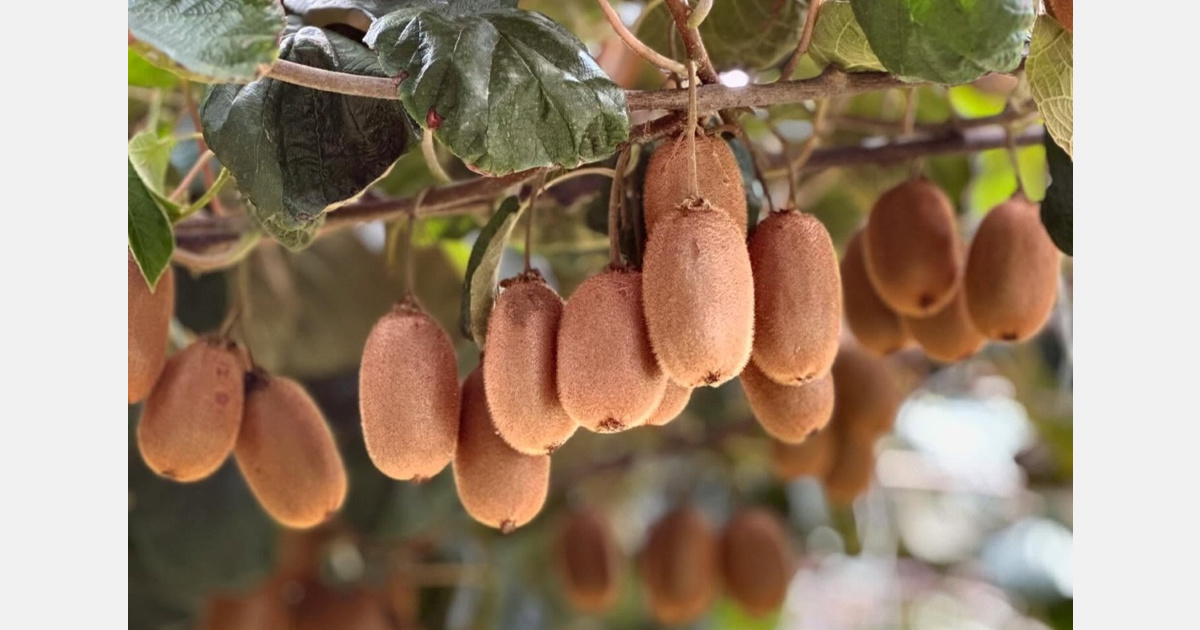
Harvest expected to start on October 15
Greece’s Hayward kiwi sector is approaching the harvest with positive production expectations and prospects for better storage performance. The harvest is scheduled to begin on October 15, according to FreshPlaza, with growers and exporters preparing for a larger crop than in the previous season.
Dionysis Iliadis, owner of packing and export company Elita, told FreshPlaza that production is approximately 20% higher than last year. He said overall quality is at roughly the same level, while fruit sizes have remained substantially unchanged.
The main improvement may be the crop’s storage potential. Iliadis expects the fruit to perform better in storage because Greece did not experience an exceptionally hot summer. Longer storability would give packers and exporters more flexibility to manage supplies after harvest and target demand later in the marketing season.
Cold-storage shortage shapes the sales calendar
The larger crop will also test Greece’s limited refrigerated-storage capacity. Italian buyers play an important role in this market: they purchase substantial quantities of Greek kiwi, transport the fruit to Italy and store it there. Iliadis said the level of Italian demand remains uncertain and will influence how much pressure develops in Greece during the harvest period.
Small Greek producers without storage facilities typically sell directly from orchards or during the harvest. They avoid cold-room expenses, but their presence keeps prices under pressure while field supplies remain available. Companies that store fruit must carry the additional cost and wait for the market to strengthen.
Based on Elita’s experience handling large volumes over the past five years, kiwi quotations have generally remained weak until around the end of January. Prices have then started to rise gradually as immediate orchard supplies decline. Iliadis expects demand to become stronger from February, making storability particularly important for operators able to hold fruit safely.
Larger supply could lower opening prices
Iliadis said it would be reasonable to expect prices about 20% below last year because production is approximately 20% higher. This is an expectation rather than a confirmed market quotation, and the eventual outcome will depend partly on purchases by Italian buyers and the ability of the supply chain to store the additional volume.
The wider fruit market is already under pressure from abundant production. Iliadis cited cherries, peaches, strawberries and other fruit categories where higher output has weakened market conditions. Kiwi, however, has a different commercial profile because it can travel over longer distances and has access to more destination markets.
For that reason, Iliadis does not expect severe pressure on kiwi sales despite the larger Greek crop. The immediate challenge will be timing: fruit sold during harvest will compete with supplies from producers lacking storage, while exporters and packers with cold-room access can aim for the firmer demand expected after January. Better storability would reduce quality risks during that waiting period, but the shortage of refrigerated capacity means the benefit will not be available equally across the sector.