Greek fuel and transport costs climb as August support measures near expiry
Greek gasoline prices have risen 15.1% since late February, while diesel has gained 29.1%, according to SBC TV. Refinery discounts and a state diesel subsidy expire on 31 August, exposing transport operators, businesses and households to further cost increases.
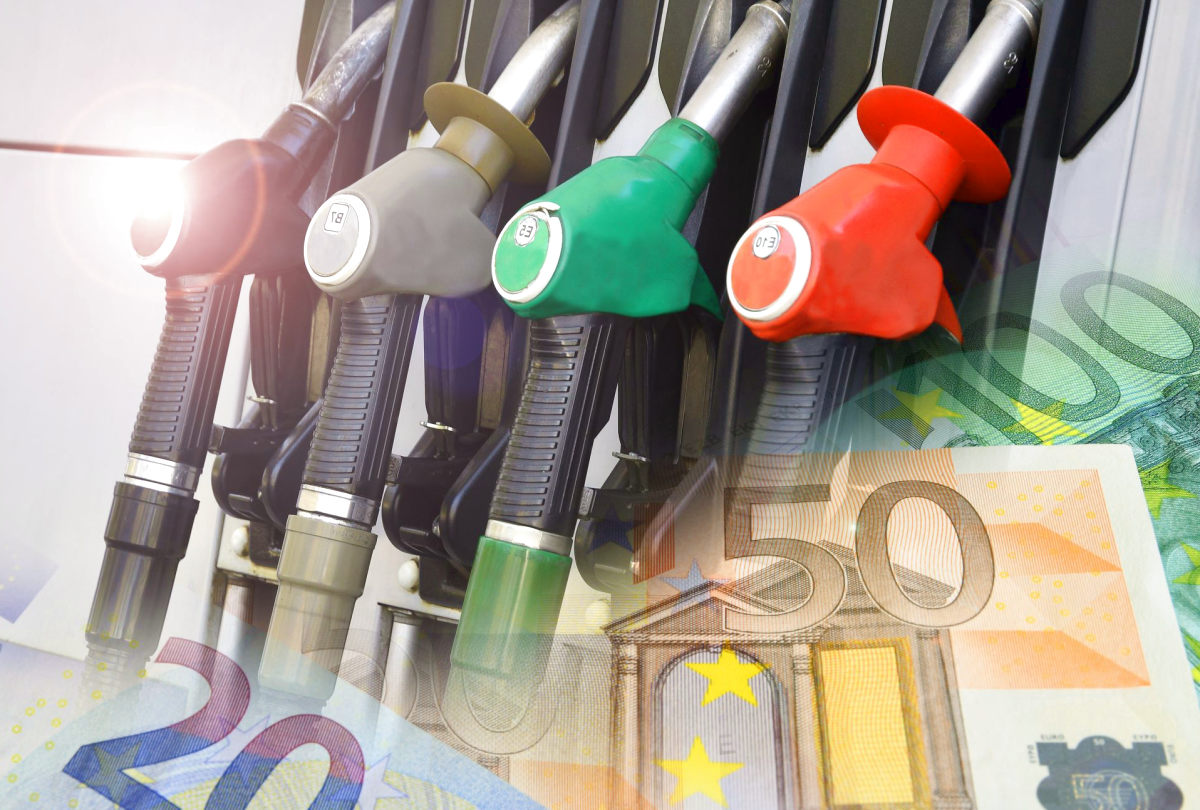
Diesel leads six-month increase
Fuel prices in Greece have risen sharply during six months of war in Iran, increasing costs for motorists, freight operators and businesses dependent on road transport. SBC TV reports that average regular unleaded gasoline reached €2.015 per litre, up from €1.751 on 27 February 2026, before the US and Israeli strikes on Iran. Average diesel increased from €1.565 to €2.020 per litre over the same period.
The change amounts to 26.4 cents per litre, or 15.1%, for gasoline and 45.5 cents, or 29.1%, for diesel. A 50-litre fill therefore costs €13.20 more for a gasoline vehicle and €22.75 more for a diesel vehicle. The diesel increase has a broader commercial impact because it feeds directly into road freight, food distribution and the delivery cost of basic goods.
Discounts have not stopped the rise
HELLENiQ Energy and Motor Oil are providing about €40 million for discounts running from 14 July to 31 August. The measures are equivalent to roughly 10 cents per litre for regular unleaded and 5 cents for diesel. Diesel also receives an August state subsidy of 8 cents per litre before VAT, or about 10 cents at the retail level, at a fiscal cost of €29 million.
Despite total diesel support of approximately 15 cents per litre, its average price is 19.7 cents above the 10 July level of €1.823. That represents a 10.8% increase and adds €9.85 to a 50-litre fill. Gasoline has risen by 4.3 cents, or 2.2%, from €1.972 over the same period, adding €2.15 per fill. SBC TV links the heavier diesel pressure to tight global refined-product supplies: European diesel prices have gained more than 70% since February amid disruptions to flows and refinery operations.
Islands face a larger transport burden
Regional differences amplify the impact on island economies and peripheral businesses. Twenty-eight of Greece's 51 prefectures have gasoline prices above the national average. Unleaded costs €2.262 per litre in the Cyclades, €2.141 in the Dodecanese, €2.115 in Lefkada and €2.101 in Lesbos, while Imathia, Boeotia and Attica remain just below €2. Diesel reaches €2.249 per litre in the Cyclades, compared with €1.986 in Imathia, Serres and Florina. The 26.3-cent gap exceeds €13 on a 50-litre fill, creating unequal operating costs for carriers and local companies.
Oil and jet fuel add autumn risk
Pressure also extends to aviation. According to IATA figures cited by SBC TV, global jet fuel averages $146.93 per barrel, about 53% above November 2025, and airlines' 2026 fuel bill is estimated at $350 billion. Brent is trading near $93.5 per barrel after gaining more than 7% in one week. In a downside scenario cited from a major investment bank, it could exceed $120 in the fourth quarter of 2026 if disruptions to flows through the Strait of Hormuz persist.
A move in Brent toward $100 or $120 would add pressure to Greek refinery and retail prices, although pump prices do not follow crude oil mechanically. Platts product assessments, the euro-dollar exchange rate, refining margins, freight costs and inventories also determine the final price. With refinery discounts and the diesel subsidy scheduled to end on 31 August, the policy chosen afterward will shape autumn transport costs and the extent to which fuel inflation reaches food, tourism and other goods and services.