Greek feta heads toward €16/kg as sheep pox cuts milk supply by 45,500 tonnes
Deliveries of sheep milk in Greece fell 7.4% to 545,489 tonnes in January-July 2026 as sheep and goat pox wiped out an estimated 500,000-600,000 animals. Feta retail prices, now €12-13 per kilogram, could reach €15-16, while exports keep growing and dairy stocks may not last to the end of the year.
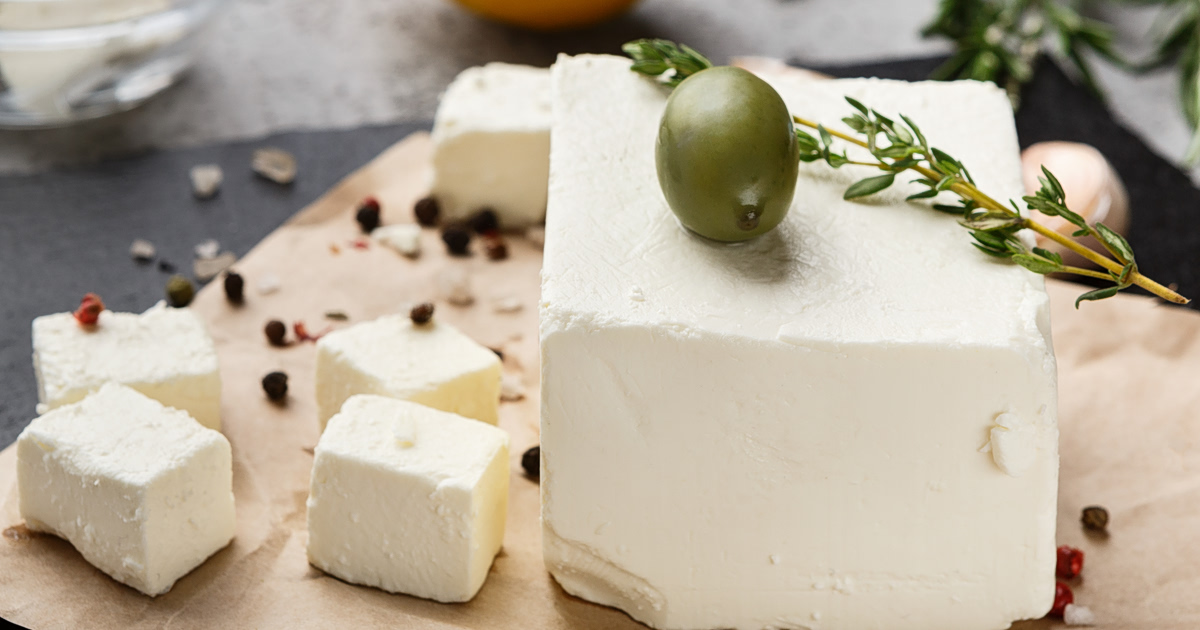
Greek feta is heading for another round of price increases as a shrinking sheep and goat flock collides with firm export demand, according to Ta Nea, which reported remarks by the president of the National Interprofessional Feta Organisation (EDOF), Michalis Sarantis, at the conference of the Panhellenic Exporters Association. Retail prices currently at €12-13 per kilogram could reach €15-16, Sarantis said, attributing almost the entire increase to the cost of raw milk rather than to energy. "Price increases have already happened and there will be more," he said.
Sheep milk deliveries fall 7.4%
Official data for January-July 2026 cited by Ta Nea show deliveries of sheep milk at 545,489 tonnes, down from 589,115 tonnes in the same period of 2025 — a loss of 43,626 tonnes, or 7.4%. Goat milk deliveries eased 1.4% to 130,148 tonnes from 132,062 tonnes, a decline of 1,914 tonnes. Combined, Greek dairies took in roughly 45,500 tonnes less sheep and goat milk than a year earlier.
Producer prices moved in the opposite direction:
- Sheep milk averaged €1.5703 per kilogram in July 2026, against €1.3874 in July 2025, up 13.2%.
- Goat milk averaged €0.9708 per kilogram, from €0.8775 a year earlier, up 10.6%.
- Farmers are currently paid €1.50-1.60 per kilogram for sheep milk, a level Sarantis expects to rise to €1.80-1.90.
Sarantis estimated the full shortfall in available sheep milk at about 80,000 tonnes, with the final picture due in January. On his calculation that equates to a deficit of roughly 20,000 tonnes of feta. Dairy stocks are "very, very low" and may not last to the end of the year, he warned.
500,000 to 600,000 animals lost
The root cause is the loss of livestock to animal disease, chiefly sheep and goat pox. Sarantis put the losses at about 500,000 to 600,000 animals that must be replaced before flocks regain their productive capacity, and said the number of sheep in Greece is now below 8 million. He also questioned the reliability of official livestock records, which for years showed figures he considers detached from reality, reaching as high as 17 million sheep and goats.
Restocking can come from retaining more female lambs — which farmers are already doing — or from importing animals, an option that requires care because PDO feta is governed by specifications covering milk origin and breeds. Sarantis estimated at least two years are needed to return output to pre-outbreak levels, and warned the timetable slips while the disease circulates: two, three or even five cases are still recorded each week in different parts of the country, and each new case sets flock rebuilding back by roughly six months.
Export demand outruns supply
Demand is not the constraint. "Foreign customers ask for cheese without asking the price," Sarantis said. The president of the Association of Greek Dairy Industries (SEVGAP), Christos Apostolopoulos, said feta exports have risen 26% over the past four years and continue to grow in 2026 at a rate above 6.5%; ilamia.gr reported export growth of 7% this year. The risk, Apostolopoulos said, is that there will not be enough product to serve the demand already built abroad. "We will lose markets won with blood," he warned.
Higher prices are also testing the product's position in European markets, where the increased cost of living has made consumers more price-sensitive. In Greece, part of the demand has already shifted to cheaper white cheeses. Sarantis said Greek cheese plants are in good shape across the chain after years of investment and that rising milk costs have made energy expenses negligible by comparison: "For feta, production has one risk. The raw material." His stated objective is not merely to lift feta exports from 110,000 to 150,000 tonnes but to generate more added value along the whole chain, and as EDOF president he will seek more than €3 million a year for feta promotion, funded by the feta and meat sectors' own levies to ELGO.
Yogurt imitations draw legal action
Greek yogurt exports have grown 110% in three years and 38% over the past year, approaching feta in turnover, yet only 6% of the products sold internationally as "Greek yogurt" is actually produced in Greece. Apostolopoulos described the remaining 94% as imitations that mislead consumers and damage the domestic product. With individual court cases proving insufficient, SEVGAP is working with a specialist in European law in Paris and is asking the European Commission and EU authorities for direct institutional intervention.