Greek farm input costs rise 5.6% in Q2 2026 as output prices lag at 1.58%
Prices for goods and services used in Greek agricultural production rose 5.6% year on year in the second quarter of 2026, while farm-gate prices gained only 1.58%, according to Eurostat data reported by moneyreview.gr. Heating fuel was up 53.19% and fertilisers 10.27%. Greek milk and cereal producer prices rose while EU averages fell sharply.
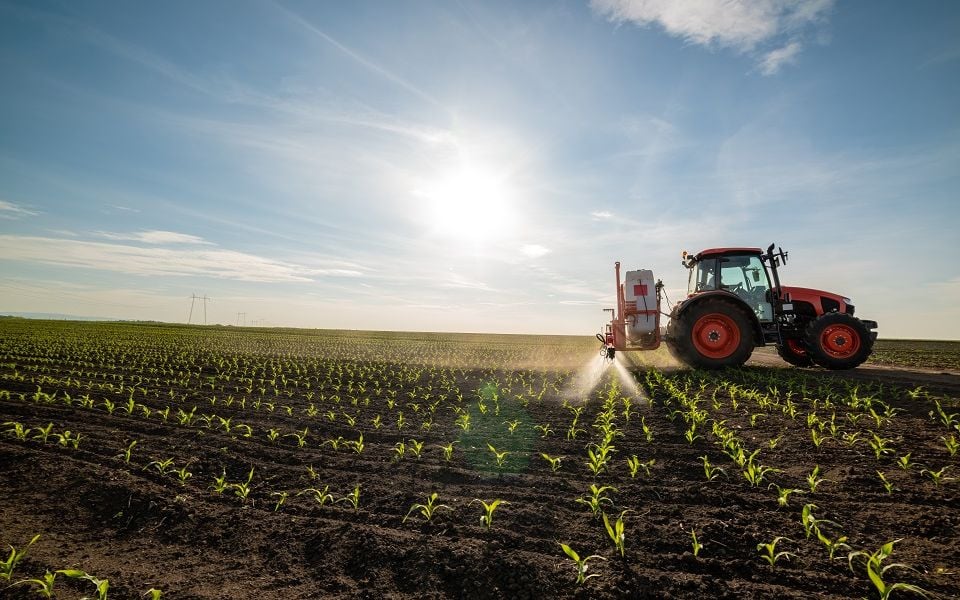
Greek farmers faced markedly higher costs in the second quarter of 2026. Prices for the goods and services used in current agricultural production rose 5.6% year on year, while the producer price index for Greek agricultural goods gained just 1.58%, according to Eurostat figures reported by moneyreview.gr.
Energy and fertiliser drive the cost increase
The pressure was concentrated in a small number of input lines. Energy and lubricants rose 13.01% and fertilisers and soil improvers 10.27%, with a wide spread inside the energy bill itself.
- Heating fuels: +53.19%
- Motor fuels: +17.55%
- Energy and lubricants overall: +13.01%
- Fertilisers and soil improvers: +10.27%
- Animal feed: +1.04%
- Electricity: -3.39%
The distribution matters as much as the average. Heating fuel is a concentrated cost for greenhouse vegetable growers and for heated livestock housing, so a 53.19% increase lands unevenly across the sector, while the 3.39% fall in electricity and the near-flat 1.04% move in animal feed limited the damage for farms with a different cost mix.
Greek producer prices diverge from the EU
Across the European Union the direction of travel was the opposite. Agricultural output prices fell 5.8% in the second quarter, with declines recorded in 20 of the 27 member states, while EU input prices rose 4.7%. Greece combined higher input costs with rising rather than falling farm-gate prices.
Milk showed the widest divergence. Producer prices for the category as a whole rose 3.95% in Greece while falling 16.6% across the EU. In cereals, including seed, Greek producer prices rose 1.81% against a 5.6% decline at EU level.
Livestock widened the gap further. Prices for live cattle rose 20.46% and live poultry 1.77%, while live pigs slipped 0.89%. Producer prices for olive oil were up 5.68% and for tomatoes 19.67%.
moneyreview.gr notes that the comparisons cover the second quarter of 2026 against the same period of 2025 and track producer prices only, not total farm income or the full cost base of an individual holding.
Retail inflation remains uneven
Consumer prices have not followed the producer series closely. According to ELSTAT, the food and non-alcoholic beverages group was 0.9% more expensive in August 2026 than a year earlier.
Within that basket the range was wide. Beef was 13.5% more expensive year on year and lamb and goat 11.3%, while poultry rose 2.1%, pork 1.4% and bread and other bakery products 2%. Olive oil moved the other way, with retail prices down 15%, alongside falls of 7.1% in fruit and 1.1% in vegetables overall.
Two gaps stand out for the supply chain. Live cattle prices rose 20.46% at the farm gate against a 13.5% increase for beef on the shelf, leaving processors and retailers to absorb the difference. Olive oil ran in reverse, with producer prices up 5.68% while consumer prices fell 15%.
The export channel remains central to parts of the sector: more than 90% of Greek table olive production is sold into international markets, according to moneyreview.gr. The wider economy expanded 1.9% in the second quarter, ahead of the 1.2% recorded in the euro area.