Greek Diesel Prices Rise 12.1% in July, Third-Largest Monthly Increase in the EU
Diesel prices in Greece rose 12.1% in July against June, the third-largest monthly increase in the European Union, according to Eurostat data reported by sbctv.gr. The EU average increase was 4.3%, with Poland at 13.4% and Germany at 12.7% ahead of Greece. Prices rose in 17 member states, while Cyprus, Sweden and Ireland recorded declines.
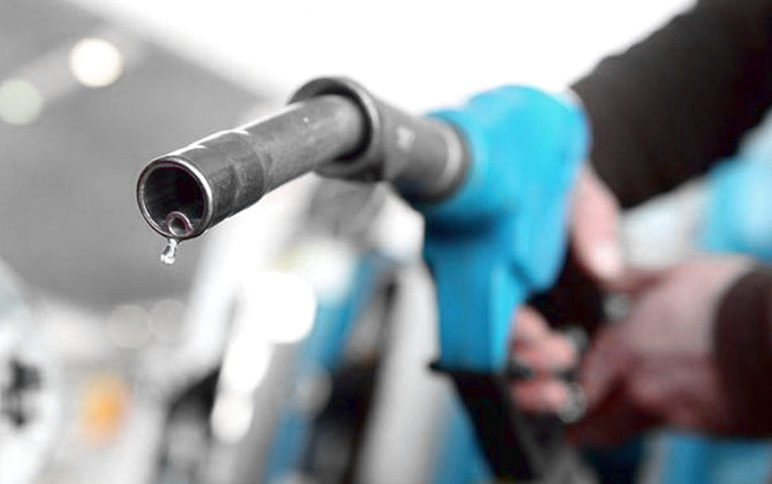
Diesel prices in Greece rose 12.1% in July compared with June, the third-largest monthly increase recorded in the European Union, according to Eurostat figures reported by sbctv.gr. The move separates the Greek fuel market from the bloc as a whole, where diesel rose 4.3% over the same month.
Greece nearly triples the EU average
Only two markets moved faster than Greece in July. Poland recorded a 13.4% monthly increase in diesel and Germany 12.7%, placing Greece third in the EU ranking. With the EU-wide change at 4.3%, the Greek increase is close to three times the bloc average, a gap that points to pressure inside the domestic market rather than to a uniform international shock.
The upward movement was not confined to diesel. Petrol prices across the EU rose 4.7% on average in a month, confirming a broader increase across liquid fuels. sbctv.gr notes that the intensity of the Greek diesel move indicates local pricing and taxation factors are weighing more heavily on consumers there than in other markets of the Union. Related coverage by the same outlet links the diesel jump to the end of a subsidy.
Seventeen markets up, three sharply down
Diesel prices increased in 17 EU member states in July, confirming a broad upward trend across European fuel markets. The same data set also contains significant declines: Cyprus recorded a 7.9% drop, Sweden 7.4% and Ireland 6.4%. The spread between a 13.4% increase in Poland and a 7.9% decline in Cyprus within a single month underlines that national markets translate identical international conditions into very different retail outcomes.
For traders and fuel importers, that dispersion matters more than the average. Refined product cargoes are priced off the same international benchmarks, but excise duties, VAT rates, subsidy schedules, retail margins and inland logistics determine what reaches the pump. In a month when part of the bloc moved in the opposite direction to the majority, the EU average is a weak proxy for any single market.
Transport and logistics carry the cost
Sectors with high diesel consumption, notably road transport and the supply chain, absorb the largest share of the increase in countries with the steepest rises. In Greece, the 12.1% monthly move applies to commercial vehicles, trucks and buses as well as private diesel cars, and feeds progressively into the cost of moving goods.
The effect on household and corporate budgets is indirect but material: more expensive diesel tends to pass into the final prices of goods and services, adding to inflationary pressure. The gap between the Greek and EU figures also carries a competitiveness dimension, since diesel-intensive activities in Greece face a cost step that most of their counterparts elsewhere in the Union did not.
Policy response in question
If the trend persists, the debate over targeted support measures or adjustments to fuel taxation is likely to return to the economic policy agenda, sbctv.gr reports. Excise levels are among the few instruments available at national level, since crude and refined product costs are set on international markets.
The July data also establish a high base for the months ahead. A monthly change of this size means subsequent Eurostat readings will be measured against an elevated level, so even unchanged retail prices in August would represent stabilisation rather than relief for Greek buyers. Companies exposed to Greek diesel demand, including hauliers, distributors and fleet operators, will be watching whether the July move reflects a one-off adjustment or the start of a sustained divergence from the EU average.