Greek cotton crop shows encouraging 2026 volume and quality prospects
Early indications point to a stronger Greek cotton crop in 2026 in both volume and quality, according to comments reported by the Athens-Macedonian News Agency. Weak prices remain the main concern for producers and could shape planting, selling and storage decisions.
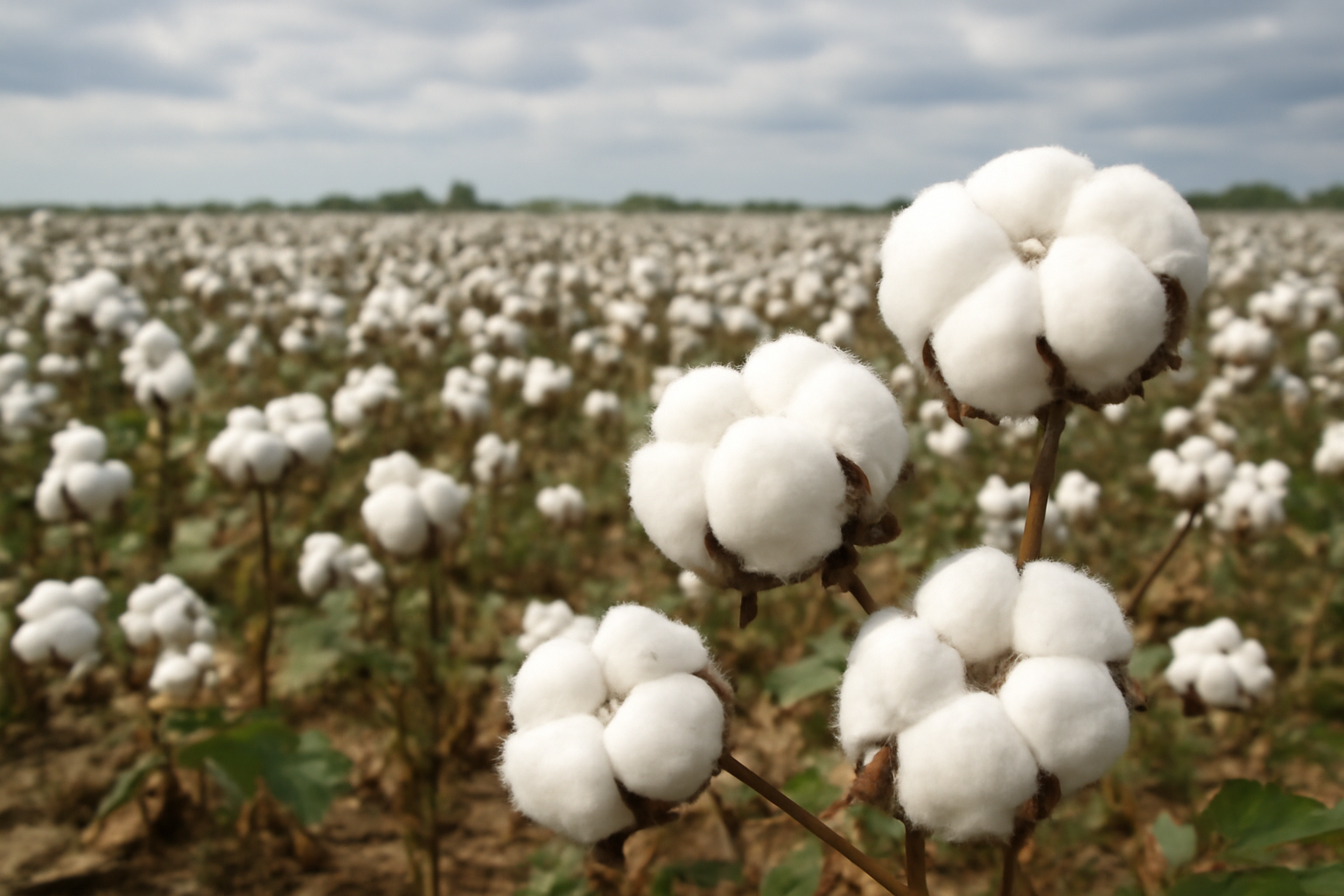
Early crop signals are positive
Greece's cotton sector has entered 2026 with encouraging preliminary expectations for the coming crop. Early indications point to favorable prospects for both production volume and fiber quality, according to comments reported by the Athens-Macedonian News Agency. The available assessment does not provide a production forecast or a comparison with the previous season, but it presents the initial agricultural picture as positive.
The distinction between volume and quality matters for the cotton supply chain. A larger crop can improve the amount of raw material available to ginners and merchants, while better quality can support marketability and determine which buyers the fiber can serve. If both expectations are realized, processors could have more flexibility in assembling consistent lots and meeting customer specifications. The indications remain preliminary, however, and do not yet establish the size or commercial value of the crop.
Prices remain the central concern
The more difficult part of the outlook is pricing. The report pairs the favorable production assessment with concern about cotton prices, creating a clear divide between crop performance and producer returns. More output does not automatically produce higher farm income when the selling price is weak. Quality can help differentiate individual lots, but it cannot by itself remove broader price pressure.
This tension is likely to influence marketing decisions throughout the season. Producers must weigh the potential benefit of improved yields and quality against the risk that prevailing prices will leave limited margins. The same issue affects ginners and traders: greater availability may support throughput and purchasing activity, but weak prices can make procurement, inventory and resale decisions more sensitive. Without a specific price level or cost estimate in the source material, the scale of that pressure cannot yet be quantified.
Commercial outcome is still uncertain
For industry participants, the next question is whether the early production promise survives the rest of the growing cycle and translates into cotton that meets commercial requirements. Crop volume, fiber characteristics and the timing of sales will jointly determine the effect on producers, processors and merchants. Buyers will also need firmer evidence on the consistency and availability of the crop before adjusting procurement plans.
The 2026 outlook therefore contains two different signals. On the supply side, the first indications for Greek cotton are favorable in both quantity and quality. On the revenue side, prices are already generating concern. Until more detailed crop estimates, quality measurements and market prices become available, the most defensible assessment is that Greece may secure a better physical crop without necessarily delivering a comparable improvement in producer earnings.