Greece seizes 19.4 tonnes of unsafe canned tuna imported from Turkey
Greek authorities seized 1,903 cases of Turkish canned tuna after laboratory tests found excessive histamine levels. The entire 19,448.04-kilogram shipment was stopped before reaching consumers and sent for destruction.
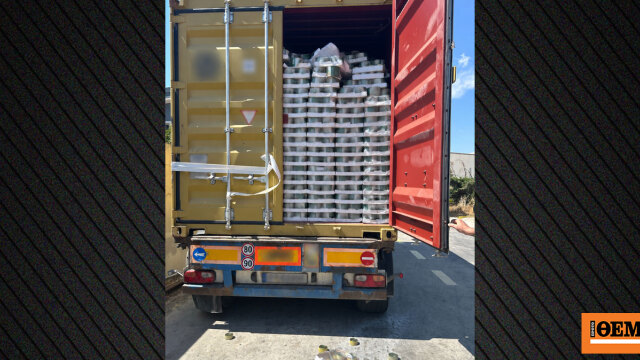
Shipment stopped at Piraeus
Veterinary authorities in Greece’s Attica Region seized a shipment of canned tuna from Turkey after official tests detected exceptionally high concentrations of histamine, To Vima reported. The cargo comprised 1,903 cases of tuna in sunflower oil with a total net weight of 19,448.04 kilograms, or almost 20 tonnes.
The products were classified as unsafe and unsuitable for human consumption. Authorities immediately prohibited their sale, excluding the entire shipment from the Greek market before any cans reached consumers. Under veterinary supervision, the cargo was transferred to an approved incineration facility for final destruction.
Tests exceeded two histamine limits
The inspection began with sampling by the Piraeus Border Control Post. The Piraeus Chemical Service, part of Greece’s General Chemical State Laboratory, then conducted the official laboratory analysis.
According to To Vima, individual samples from five of the nine sampling units contained more histamine than the maximum permitted level of 200 mg/kg. The average concentration was 574.1 mg/kg, substantially exceeding the applicable upper limit of 100 mg/kg. Following notification of the failed results, veterinarians from the Directorate of Agricultural Economy and Veterinary Medicine of East Attica seized the full cargo.
The case was discovered through routine official controls rather than a consumer complaint or an investigation launched after distribution. For Turkish suppliers and Greek importers, the interception illustrates the commercial consequences of failing border food-safety tests: a complete shipment can be barred from sale and destroyed. Importers also face the loss of nearly 20 tonnes of inventory and possible disruption to supply arrangements, although the sources did not identify the exporter, importer, brand or financial value involved.
Attica points to broader enforcement record
Attica Governor Nikos Hardalias described the incident as one of the region’s largest seizures in recent years. He said inspections are conducted daily despite serious staffing shortages and stressed that none of the cans entered the consumer market.
The seizure follows other large food-control actions cited by To Vima. In December 2024, regional inspectors confiscated 26.67 tonnes of spoiled meat and animal by-products. In January 2025, an operation at Piraeus resulted in the seizure of more than 20 tonnes of illegal and unsuitable animal residues, comprising 13,784 kilograms of pork residues and 6,559 kilograms of pig skins.
During the first 30 months of the current regional administration, Attica inspection teams carried out 24,136 checks, imposed fines totaling hundreds of thousands of euros and seized hundreds of tonnes of unsafe or dangerous products. The tuna case demonstrates how border sampling and laboratory verification can prevent a non-compliant imported food shipment from entering commercial distribution. It also places added emphasis on histamine controls for canned-fish suppliers serving the Greek market.