Greece joins 10-country EU bloc seeking changes to planned fuel carbon market
Greece and nine other EU states are pressing the European Commission to reconsider ETS2 and ease wider carbon-market rules. The dispute pits concerns over household fuel costs and industrial compliance against efforts to cut emissions from transport and heating.
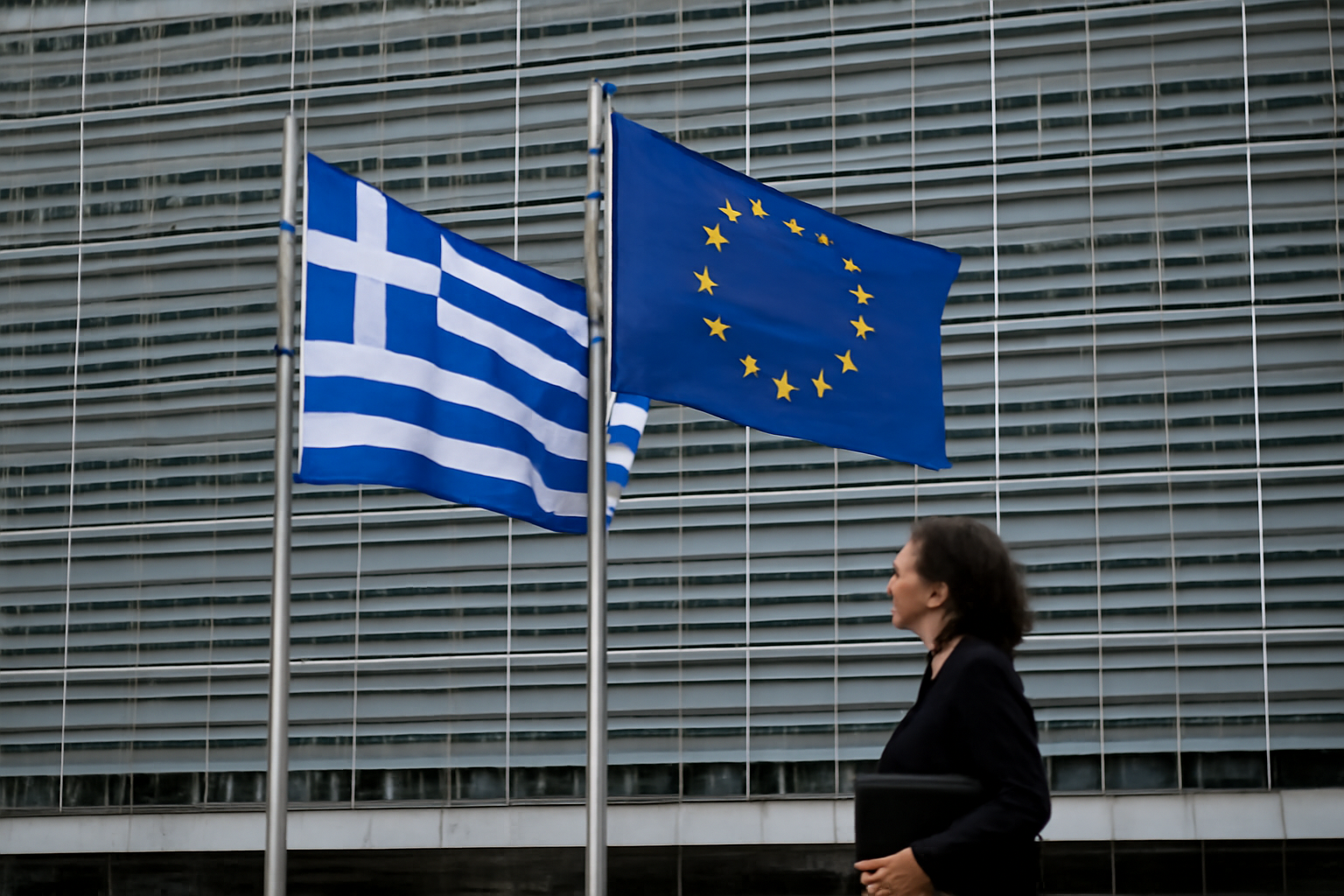
Ten countries challenge planned fuel carbon charges
Greece has joined nine other European Union countries in calling on the European Commission to loosen planned carbon-market rules and reconsider a new charge on fossil fuels used in transport and heating. The initiative creates a substantial political obstacle for the bloc’s effort to extend carbon pricing beyond major industrial installations and into sectors where costs are felt more directly by households and businesses.
The group also includes Italy, Poland, Bulgaria, Cyprus, the Czech Republic, Estonia, Hungary, Romania and Slovakia. According to in.gr, citing a joint statement obtained by Reuters, the governments argue that European citizens should not face new climate-related taxes under current economic and geopolitical conditions. They want ETS2 addressed as part of the coming review of the EU Emissions Trading System and subjected to further scrutiny.
The Commission is due to present a draft revision of the emissions-trading framework on Friday. The existing system requires polluting industries to pay for their carbon dioxide emissions, while ETS2 is intended to establish carbon costs for fuels used in road transport and buildings. For fuel suppliers, transport operators, heating markets and energy-intensive consumers, the design of the scheme will determine how quickly carbon costs pass through supply chains.
Consumer costs divide EU governments
Germany and Sweden are among the countries supporting the fuel carbon measure as a tool for addressing climate change, in.gr reported. Supporters say stronger pricing incentives are essential for reducing emissions from vehicles and heating systems, two areas in which changes depend on investment by millions of consumers and companies rather than a limited number of large industrial plants.
They also argue that revenue generated by the measure would be reinvested to help citizens adopt cleaner technologies. That mechanism is intended to reduce the net burden on consumers, although the opposing governments remain concerned that fuel prices would rise before households and businesses can afford alternative vehicles, heating equipment or energy-efficiency improvements.
The Commission has already postponed the carbon-market review for one year amid objections from governments worried about consumer fuel prices. It has said it does not want further changes to the plan before implementation, arguing that companies need time and regulatory certainty to prepare. National governments and the European Parliament could nevertheless introduce amendments when they negotiate and vote on the review, including changes to the way ETS2 charges are calculated or applied.
Free allowances add an industrial-policy dispute
The 10 governments are also seeking changes affecting established industrial participants in the emissions market. Their statement calls for more free carbon allowances without strict conditions. The Commission, by contrast, plans to reserve free allowances for companies that commit to investing in decarbonization.
That disagreement matters for producers deciding whether to allocate capital to cleaner equipment, absorb higher compliance costs or pass those costs to customers. More unconditional allowances could provide near-term protection for industrial margins and competitiveness. Tying them to investment would preserve a stronger incentive to modernize production, but could increase financing demands on companies.
The opposing coalition has enough votes under the EU system to block amendments it rejects, according to in.gr. The review will therefore depend on a compromise that can address household affordability, industrial competitiveness and the credibility of the bloc’s emissions targets. For energy suppliers and manufacturers, the immediate issue is not only the final carbon price but also the timing, conditions and predictability of the rules governing future investment.