Government plans purchase of 26,030 tonnes of local rice before lean season
A public purchase of 26,030 tonnes of local rice is intended to clear unsold stocks and improve cash flow across the supply chain before the lean season. The effect on prices will depend on how much rice is actually collected.
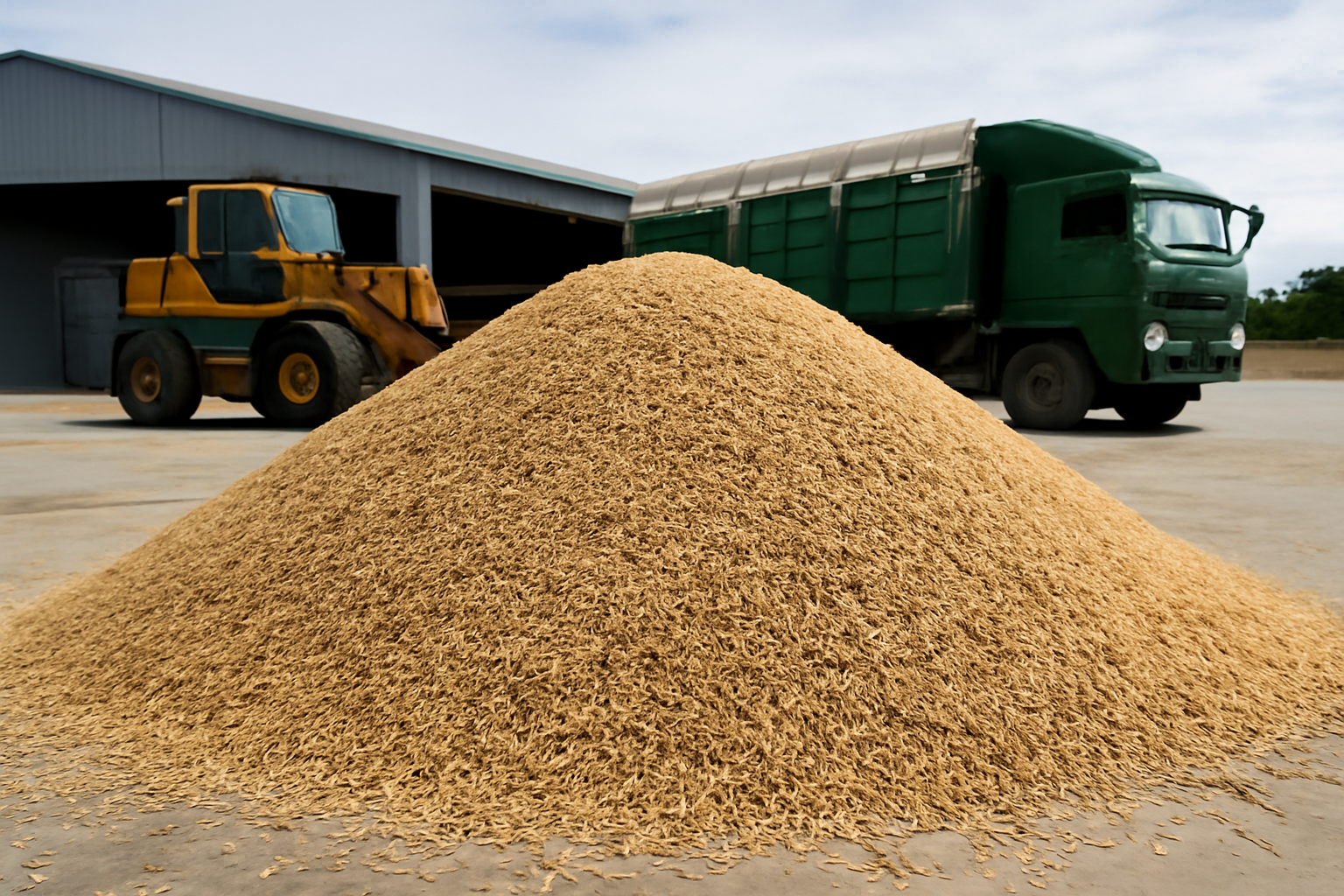
Public buyer targets unsold rice stocks
The government plans to purchase 26,030 tonnes of locally produced rice in an effort to reduce unsold inventories before the lean season. The operation is designed to move grain that has already been produced but has not found buyers, while providing cash to participants in the domestic rice supply chain.
The measure addresses an immediate commercial problem rather than announcing new production capacity. Rice held in storage ties up working capital for producers and other operators. A public buyer can release part of that capital by taking physical stocks off the market, provided the announced volume is effectively purchased and payments reach sellers without substantial delays.
The planned quantity gives the market a clear headline target, but the eventual outcome will depend on execution. The announcement refers to 26,030 tonnes; the amount actually collected will determine how much inventory is removed from private hands and how widely the cash-flow benefit is distributed.
Price effect depends on completed collection
The purchase may reduce selling pressure if it absorbs rice that would otherwise remain available on the commercial market. That could give producers and stockholders more room to negotiate during the approach to the lean season. However, no specific purchase price or collection timetable was provided in the available material, making it impossible to quantify the likely effect on market quotations.
A limited collection relative to the target would leave more unsold rice in storage and weaken the intended support. Conversely, collection close to 26,030 tonnes would remove a larger share of the identified stocks and inject more liquidity into the sector. The distinction between an announced allocation and completed physical collection is therefore central for producers, processors and traders assessing the measure.
The operation may also affect the timing of private sales. Holders accepted into the public programme would gain an outlet for their rice, while those outside it would continue to depend on commercial buyers. The distribution of purchases across producing areas and market participants has not been specified.
Lean-season conditions remain the test
The policy is intended to cushion pressure ahead of the lean season, when food availability and household access can become more sensitive. Releasing cash to the rice sector before that period may help operators settle immediate obligations and prepare for subsequent activity. The programme’s market relevance, however, rests on physical uptake rather than the target alone.
For industry participants, the main indicators will be the cumulative tonnage collected, the pace of purchases and the treatment of remaining stocks. These factors will show whether the operation is clearing the inventory overhang or merely postponing sales. Until collection figures are available, the direction of the intervention is clear, but the scale of its impact on prices and producer finances remains uncertain.