Goldman warns Super El Niño could tighten global sugar supply
Goldman Sachs says a Super El Niño could reduce sugar available for export through crop losses, harvest disruption and stronger demand for cane-based ethanol. Brazil, India and Thailand supply about 70% of global sugar exports, concentrating weather and policy risk in three markets.
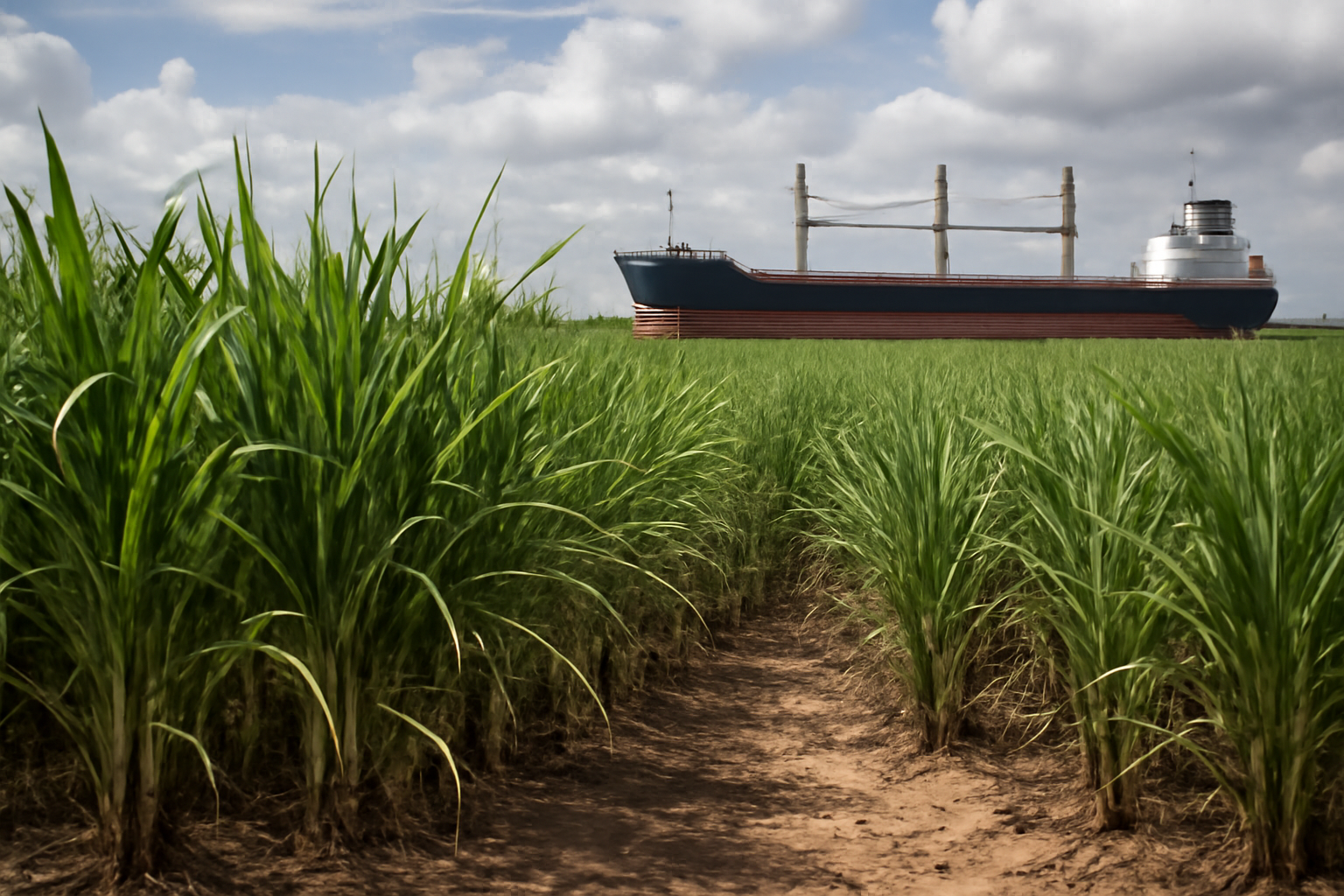
Export supply concentrated in three countries
A Super El Niño could tighten the global sugar market by disrupting production in Brazil, India and Thailand, according to Goldman Sachs. The three countries account for approximately 70% of worldwide sugar exports, leaving international buyers highly exposed to adverse weather across a small group of suppliers. Drought during crop development and excessive rain or flooding during harvest could reduce the amount and quality of cane available for processing.
The risk is not limited to outright crop failure. Goldman Sachs identified four channels through which the weather pattern could reduce exportable supply: lower cane yields, disrupted harvesting, diversion of sugarcane into ethanol and precautionary export restrictions. These effects could reinforce one another if governments prioritize domestic availability while mills face weaker agricultural output.
Different weather threats across producing regions
Brazil, the largest sugar exporter, faces several possible pressure points. Heavy rain during harvesting can delay fieldwork and lower the sugar content of cane even when harvested volumes remain relatively strong. Goldman Sachs said a recovery in sugar content later in the harvest could ease immediate price pressure. The bank also highlighted October 2026 through April 2027 as a critical period for development of Brazil’s 2027 sugarcane crop. Drought in that window could reduce cane volumes harvested from April through October 2027.
Competition from the fuel market adds another variable. Goldman Sachs identified January through April 2027 as an important period for Brazil’s corn crop. If drought weakens corn production, expected to be harvested from April through September 2027, ethanol producers could require more sugarcane as feedstock. That would leave less cane for sugar production and reduce the volume available to overseas buyers.
India’s policy choices could amplify volatility
India represents both a production and policy risk. The country has banned sugar exports through September 2026 and removed import duties on sugar, measures that indicate priority for domestic supply. Goldman Sachs estimates that India accounts for roughly 6% of global sugar exports and said the country could move from being a significant exporter toward becoming a net importer. Such a shift would simultaneously remove supply from the international market and create additional import demand.
The price outlook is not one-directional. Reuters reported that El Niño can bring excessive rain to Brazil during the second half of the year, disrupting the current harvest, but that above-average rainfall may also benefit the country’s next crop. Hedgepoint’s Carlos de Mello said even a moderate El Niño could reduce Indian production by about 1 million metric tons, while also arguing that the potential benefit for Brazil’s 2027 crop makes a straightforward bull-market scenario difficult to establish.
For refiners, traders and industrial sugar users, the main issue is the concentration of risk. Weather damage in one producing country can sometimes be offset elsewhere, but simultaneous disruption in Brazil, India and Thailand would leave fewer alternatives. Market participants will therefore be watching Brazilian cane quality and rainfall, India’s production and trade policy, Thailand’s crop development and the allocation of Brazilian cane between sugar and ethanol. The timing of those developments will determine whether the warning becomes a temporary price premium or a broader shortage of exportable sugar.