Gochujang moves beyond Korean cuisine into US drinks, sauces and fusion foods
Gochujang is gaining a broader role in the US food market as restaurants and food businesses use it in tacos, salads, lattes and milkshakes. The trend creates an opportunity for Korean condiment producers to position the fermented chili paste as a versatile flavor rather than only an ingredient for Korean dishes.
Gochujang finds new uses in the US food market
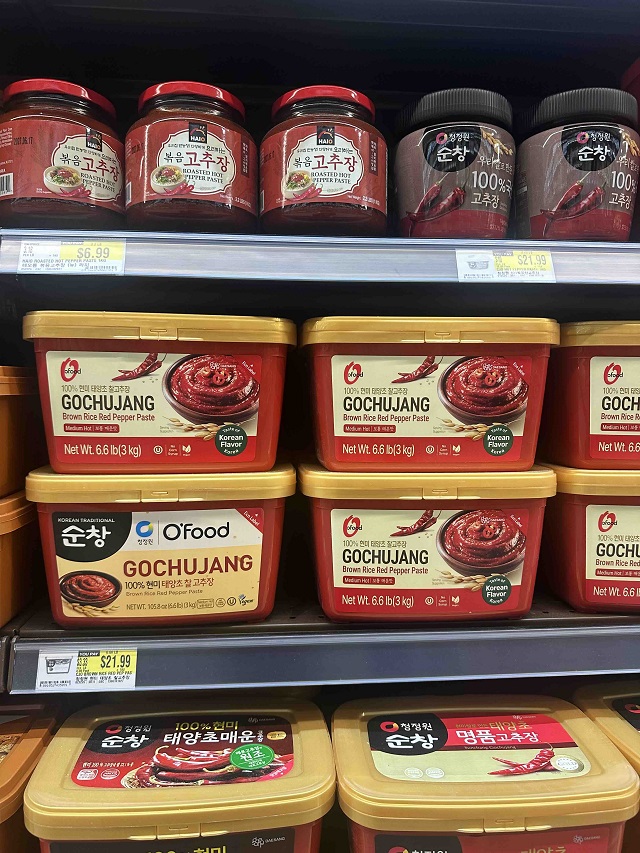
Gochujang is moving beyond its traditional role as an ingredient for Korean dishes and appearing across a wider range of foods and beverages in the United States. New Daily reports that the fermented chili paste is now being used on tacos and salads and added to products including lattes and milkshakes. The shift is turning a condiment closely associated with bibimbap and tteokbokki into a broader Korean flavor with applications outside Korean cuisine.
The development reflects a change in how US consumers and food businesses approach the product. Gochujang is no longer being presented only as something shoppers need to prepare a specific Korean recipe. It can instead serve as a flavor component in familiar American or fusion formats. That distinction matters because a specialized cooking ingredient depends on consumers knowing how to use it, while a sauce, topping or beverage flavor can reach customers through products they already recognize.
Restaurants and beverages widen the addressable market
Tacos and salads give gochujang a place in everyday savory meals without requiring a complete Korean menu. In these applications, restaurants can use the paste directly or incorporate it into a dressing or sauce. The same trend is visible in beverages, where gochujang caramel latte and milkshake concepts take the ingredient into a markedly different category. These combinations emphasize its potential to work alongside sweet and dairy flavors as well as in spicy savory dishes.
This variety gives food manufacturers and restaurant operators several routes to test demand. A business can introduce gochujang through a limited menu item, use it as one element in a fusion recipe or build a packaged sauce around it. Each format reduces reliance on consumers preparing bibimbap, tteokbokki or another Korean dish at home. It also broadens the competitive set: gochujang must compete not only with other Korean condiments, but with the established hot sauces, dressings and flavorings already used in US kitchens.
Export opportunity depends on accessible formats
For Korean condiment producers, wider use in the United States creates an export opportunity beyond the traditional customer base for Korean food. Demand can come from restaurants, beverage operators, packaged-food manufacturers and consumers looking for a distinctive spicy flavor. Producers able to explain the paste’s uses across multiple categories may be better placed to convert curiosity about Korean food into repeat purchases.
Product positioning will be central to that effort. Consumers encountering gochujang in a taco or latte may recognize the flavor before they understand the underlying ingredient. Clear descriptions of taste and practical applications can therefore be as important as its Korean origin. Suppliers also need formats suited to different buyers, from products convenient for household use to ingredients that restaurants and manufacturers can incorporate consistently into recipes.
From ethnic ingredient to cross-category flavor
The US expansion does not mean gochujang is losing its connection to Korean cuisine. Bibimbap and tteokbokki remain important reference points that explain the ingredient’s origins and established uses. The emerging opportunity is additive: those traditional dishes introduce the product, while tacos, salads, lattes and milkshakes give it more occasions for consumption.
Whether gochujang becomes a durable mainstream flavor will depend on repeat demand rather than novelty alone. Its appearance in both food and drink shows that US operators are testing a wide field of applications. For Korean producers and exporters, the commercial task is to turn those experiments into regular menu placements, manufacturing inputs and household purchases while maintaining a clear identity for the product.