Goats and sheep drive Tanzania’s meat export growth
Tanzania’s expanding meat exports are creating opportunities for livestock keepers, traders, processors and investors. Tanzania Meat Board data identify goats and sheep as key contributors, although the available source material provides no export volumes or destination breakdown.
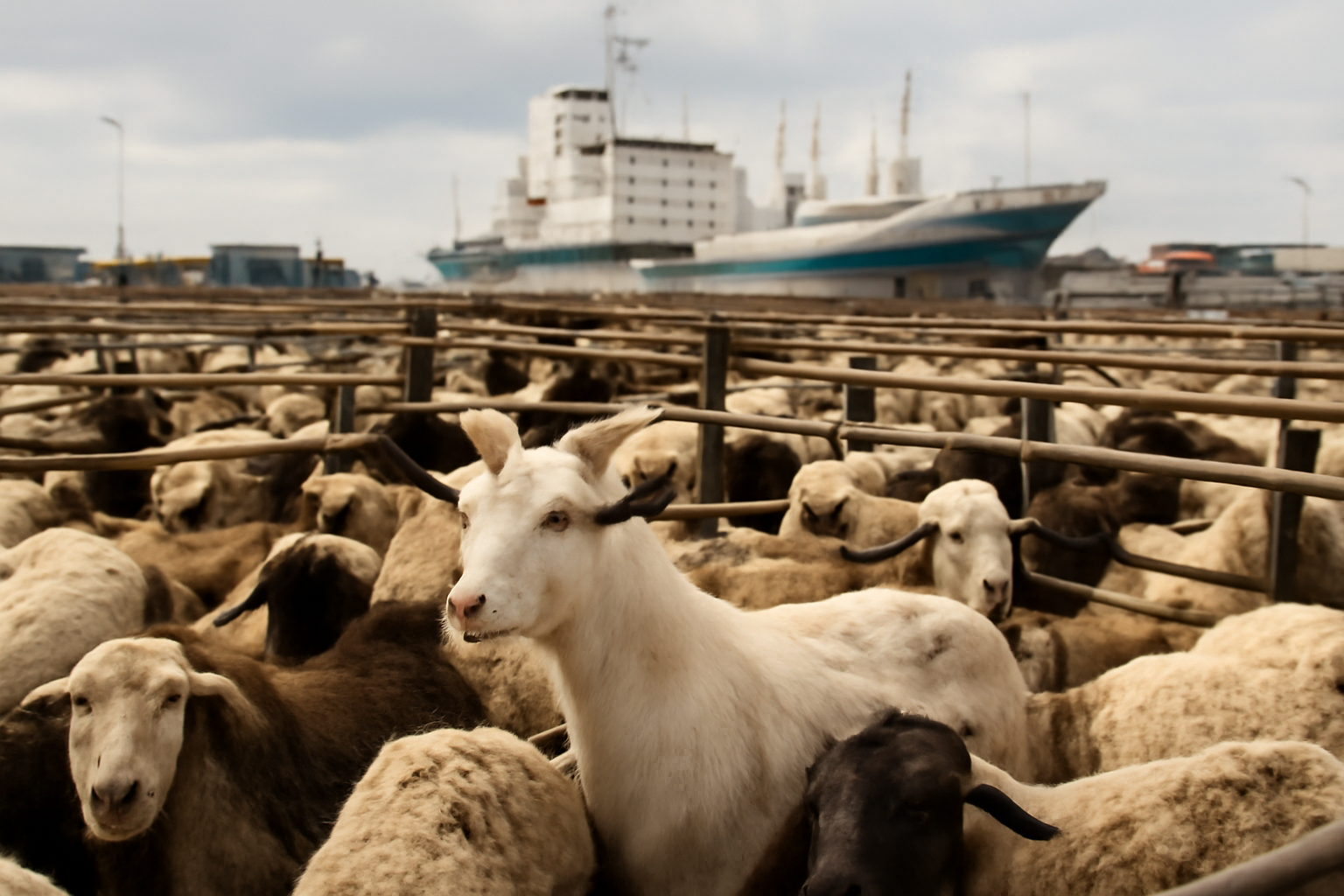
Small ruminants support export expansion
Goats and sheep are driving growth in Tanzania’s meat exports, opening commercial opportunities across livestock production, trading and processing. Information citing data from the Tanzania Meat Board points to an expanding export business with potential benefits for livestock keepers, intermediaries and investors throughout the value chain.
The available source material does not provide export volumes, growth rates, prices or a breakdown by destination. It nevertheless identifies goats and sheep as the main livestock categories behind the expansion. That makes the supply of market-ready animals, rather than only processing capacity, an important consideration for companies seeking to participate in the sector.
For producers, stronger export demand can broaden the market beyond domestic consumption. Traders may gain from aggregating animals in sufficient numbers and organizing their movement to processors. Meat companies, meanwhile, need a dependable flow of animals that meet buyers’ requirements if they are to operate facilities consistently and fulfil export orders.
Opportunities extend across the value chain
The export trend creates potential business for breeding operations, commercial farms, livestock markets, transport providers, slaughterhouses, cold-storage operators and meat packers. Investment opportunities therefore extend beyond the purchase and sale of animals. Services that reduce losses, improve handling and connect dispersed livestock supplies with processing facilities can also influence the sector’s ability to grow.
Goat and sheep production can involve many livestock keepers and traders before animals reach a slaughterhouse. This creates an aggregation challenge for processors: export orders require reliable volumes, while animals sourced from multiple locations may differ in weight, condition and readiness for slaughter. Companies able to coordinate procurement and communicate buyer specifications to suppliers are better placed to build consistent export programs.
Processing is another critical link. Export growth requires slaughtering, inspection, packing, storage and transport to function as one system. An interruption at any stage can reduce the usable volume of meat or delay delivery. Investors assessing the opportunity will therefore need to examine the reliability of animal supply alongside the capacity and utilization of processing and cold-chain assets.
Capacity constraints will shape further growth
The source material refers broadly to capacity constraints but does not quantify them. It does not specify whether the principal limitations concern livestock availability, animal quality, slaughter capacity, certification, cold storage, logistics or financing. Each constraint would require a different response, and the absence of detailed figures limits any assessment of how quickly exports can expand.
Destination-market information is also not included. Buyers’ requirements can vary by market, affecting animal selection, slaughter procedures, documentation, packaging and delivery. Processors and traders therefore need confirmed orders and clear specifications before increasing procurement or committing capital to new capacity.
The expansion reported through Tanzania Meat Board data shows that goats and sheep are becoming more important to Tanzania’s export-oriented meat industry. The next stage will depend on whether producers, traders and processors can turn dispersed livestock supply into consistent, compliant shipments. More detailed data on volumes, destinations and processing capacity will be necessary to measure the scale of the opportunity and identify the most immediate investment needs.