Gluten-Free Demand Opens New Markets for Africa’s Drought-Resistant Ancient Grains
Growing demand for gluten-free foods is creating commercial opportunities for Africa’s ancient grains. Their drought resistance and local availability position them as sustainable alternatives to wheat, although the available source material provides no market volumes or prices.
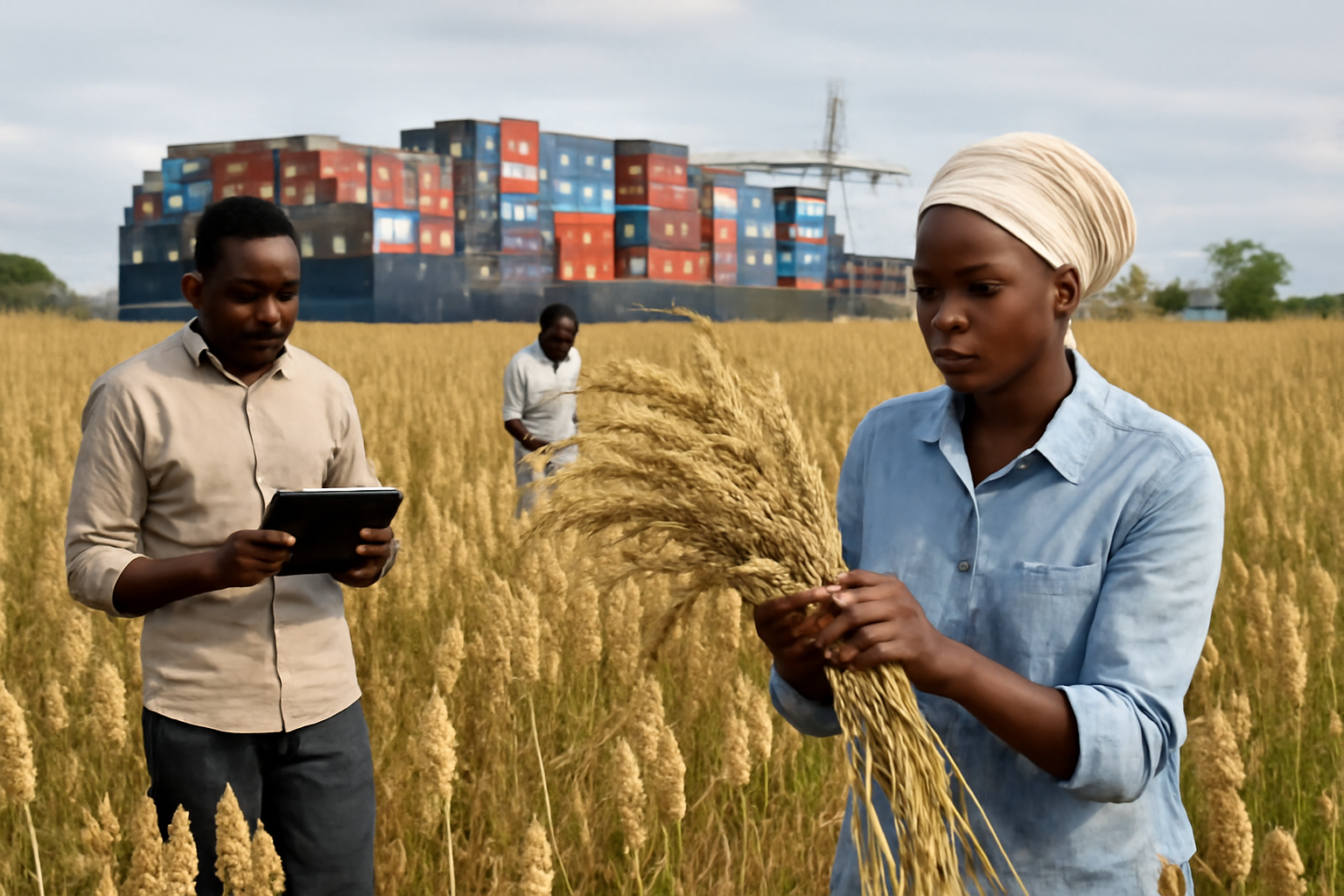
Ancient grains gain commercial relevance
Africa’s ancient grains are attracting renewed attention from consumers of gluten-free foods. The emerging market is built around two characteristics: the grains can provide an alternative to wheat, and their drought resistance may make them suitable for production in areas facing limited or unreliable water supplies.
The trend could create opportunities across the food chain, from farmers and local grain handlers to millers and manufacturers of gluten-free products. For processors, African grains offer potential ingredients for foods traditionally made with wheat. For producers, stronger consumer interest could expand demand beyond established local uses.
The available source material does not identify individual grain species, companies or destination markets. It also provides no production volumes, trade figures, prices or forecasts. The commercial scale of the trend therefore remains unclear, but the reported growth in demand indicates that these crops are moving into a broader food-market discussion.
Drought resistance strengthens the proposition
Drought resistance is central to the grains’ appeal. Crops able to withstand dry conditions may offer producers an advantage where wheat is difficult to grow or requires greater access to water. That does not automatically make every ancient grain commercially competitive, but it gives buyers another factor to consider alongside price, quality and processing performance.
Local sourcing is the second part of the proposition. Using grains grown closer to African processing facilities can reduce dependence on wheat as an ingredient and create a larger domestic market for regional crops. The effect will depend on whether farmers can supply consistent volumes and whether processors can meet the specifications required for packaged gluten-free foods.
Sustainability claims may support marketing, particularly when drought resistance and local procurement can be demonstrated. Buyers will still need reliable information on origin, handling and product characteristics. As the market develops, traceability and clear segregation from gluten-containing grains are likely to matter to manufacturers serving gluten-free consumers.
Processing and supply will determine growth
Consumer interest alone will not determine the size of the opportunity. Commercial expansion requires cleaning, storage, milling and product-development capacity suited to the grains concerned. Manufacturers must also assess taste, texture and performance in finished foods before replacing wheat or other established gluten-free ingredients.
For agricultural businesses, the immediate opportunity lies in connecting drought-resistant local crops with a growing food category. Producers need dependable buyers, while processors need consistent quality and supply. If those requirements are met, Africa’s ancient grains could gain a larger role in gluten-free food production without abandoning the local markets from which their renewed appeal originates.