Global XR device shipments fall 38.7% as smart glasses gain share
Global XR device shipments contracted 38.7% year on year to 1.9 million units in the first half of 2026, according to Omdia data reported by go4it.ro. Smart glasses increased their share sharply, but their growth was insufficient to offset weakening demand for headsets.
Shipments fall for a fifth consecutive year
Global shipments of extended reality devices fell 38.7% year on year in the first half of 2026, reaching 1.9 million units, according to Omdia data reported by go4it.ro. The contraction left the market on course for a fifth consecutive annual decline after demand peaked during the pandemic.
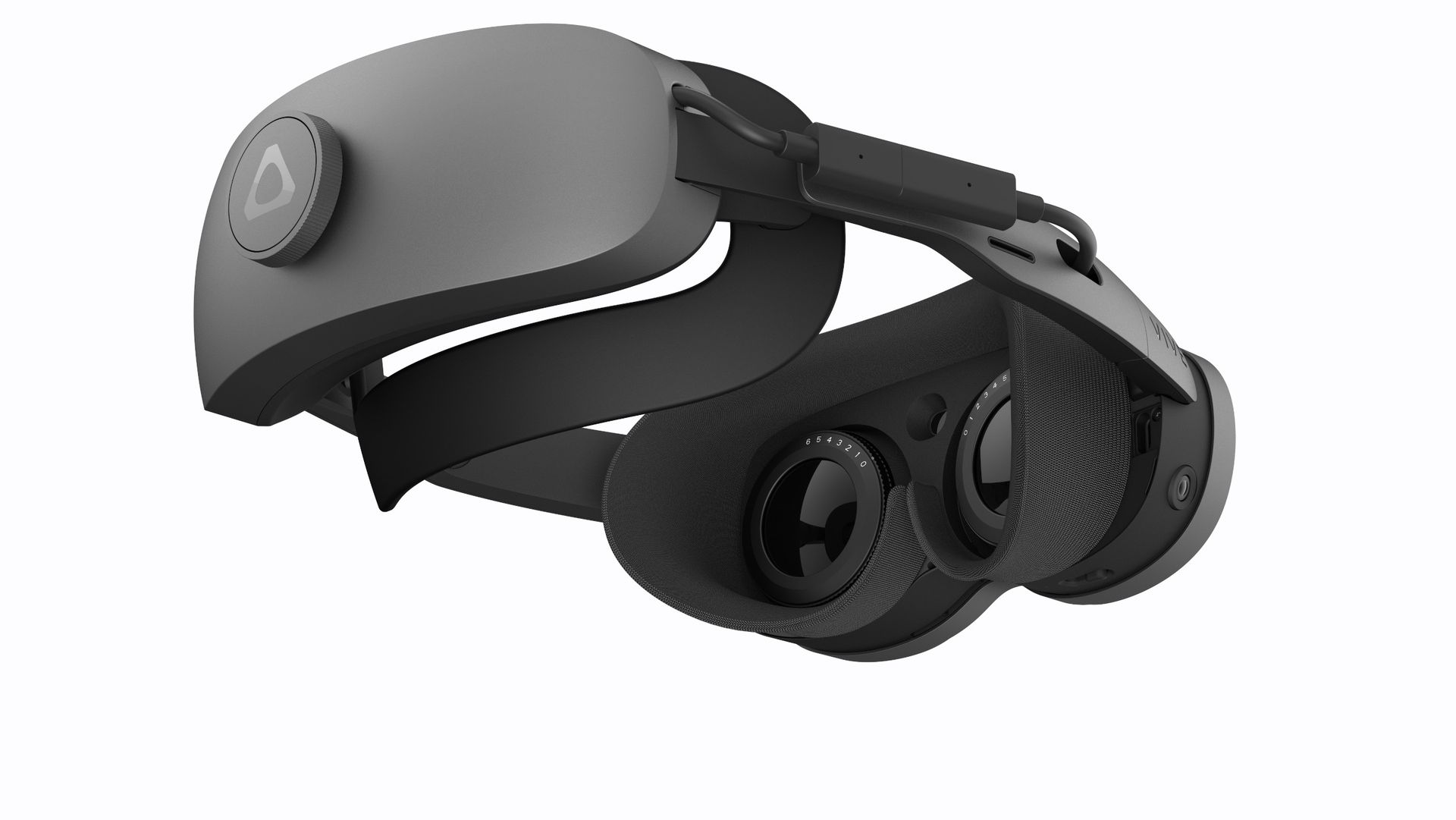
The principal drag came from XR headsets. Demand for Meta Quest 3 and Quest 3S weakened, and neither model generated a major new replacement cycle. Meta remained the largest supplier, but its share of global XR shipments dropped from 71.3% in the first half of 2025 to 48.2% in the corresponding period of 2026.
Omdia principal analyst George Jijiashvili identified the bulky headset format as a constraint on broader adoption. Headsets continue to appeal primarily to consumers actively seeking immersive XR experiences, limiting their reach beyond the established user base. In June, Omdia forecast that standalone XR headset shipments would decline by 15% during 2026 to 4.7 million units for the full year.
Smart glasses expand but remain too small
XR glasses moved in the opposite direction. Their share of total device shipments increased to 25.8% in the first half of 2026 from 10.2% a year earlier. Even that rapid increase, however, could not compensate for the much larger decline in headset volumes.
Almost all growth in glasses came from connected-display products, which provide a lighter format for video viewing and gaming. RayNeo, VITURE and XREAL together controlled 93.1% of this segment. Demand for the RayNeo Air 4 and the VITURE Beast series supported supplier performance, lifting RayNeo to 9.9% of the overall XR market and VITURE to 8.6%.
The concentration creates a clearer competitive field for component suppliers and distributors, but it also shows that the growing category depends heavily on a small group of brands. Omdia argues that lighter glasses reduce barriers for users. Their prospects may improve further as artificial intelligence and spatial-computing functions enable more frequent everyday use instead of isolated virtual-reality sessions.
China gains weight in the regional market
North America remained the largest regional XR market, accounting for 43.9% of global shipments in the first half. Western Europe ranked second with 23.8%. Greater China recorded the largest gain in global share, rising from 11.9% in 2025 to 16.3% in 2026 and overtaking the rest of Asia-Pacific to become the third-largest XR market.
Local demand for connected-display glasses was the main driver of China's advance. For manufacturers and channel partners, the regional shift makes China increasingly important as both a sales market and a testing ground for lighter XR formats, while North America remains essential because of its much larger installed customer base.
Omdia expects the global XR market to return to growth in 2027. Its June forecast put total shipments at 6.2 million units in 2026 and 6.5 million in 2027. The limited increase implied by that forecast suggests that smart glasses may stabilize the industry rather than produce an immediate rebound. A broader recovery will depend on whether lighter devices can attract mainstream users while headset makers find a reason for existing customers to upgrade.