IKAR expects global pulse prices to rise in 2026/27 on El Niño and logistics disruptions
IKAR forecasts higher global pulse prices in the 2026/27 season. The institute points to El Niño and disruptions to trade flows caused by conflict-related logistics problems.
Weather and logistics threaten pulse supplies
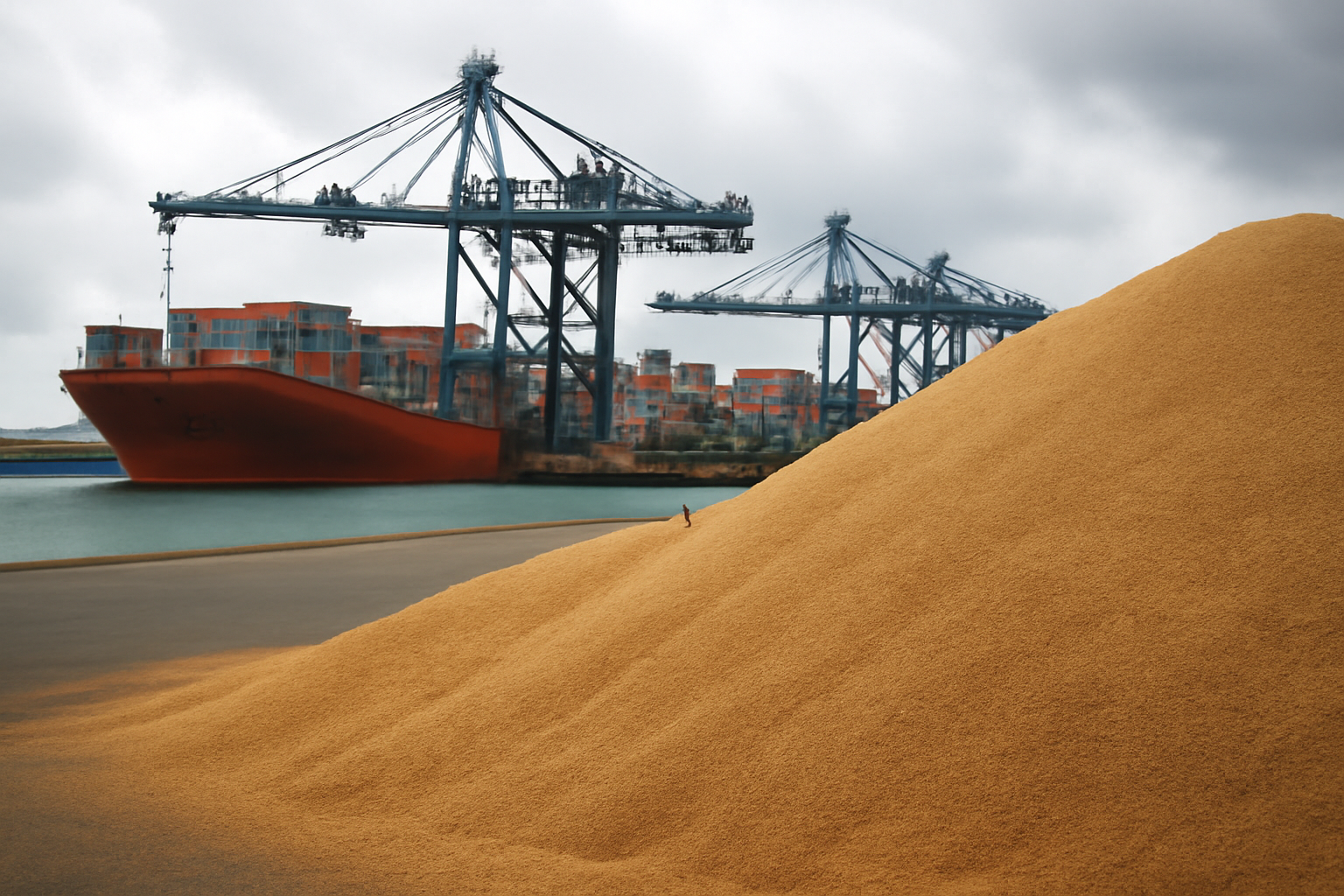
Global prices for pulses are likely to rise in the 2026/27 season as weather and logistics risks affect the market, according to a forecast reported by IKAR. The institute identified two principal drivers: the effects of El Niño and disruptions to trade flows caused by logistics problems linked to military conflicts.
The forecast signals that the next seasonal price cycle may be shaped by both production risk and the ability to move crops between markets. El Niño can affect growing conditions, while conflict-related transport problems can restrict or delay the movement of available supplies. When these pressures occur together, buyers may face higher costs even where crops remain physically available.
Trade disruptions could widen regional differences
Logistics will be important for exporters, importers and processors because pulses are traded between producing regions and consumption markets. Disrupted routes can increase delivery uncertainty, lengthen transit times or prevent normal trade flows from reaching their destinations. IKAR did not provide specific price targets, crop volumes or country-level projections in the available source material.
The absence of a numerical forecast means the expected scale of the increase remains unclear. Price performance will depend on how strongly El Niño affects production and how long conflict-related logistics constraints persist. The impact may also differ across individual pulse categories and regional markets, depending on local availability and access to alternative supply routes.
Market participants face a more complex season
For producers, rising prices could improve sales opportunities, but weather-related production losses may limit the volume available for marketing. Traders will need to assess whether supply contracts can be fulfilled through existing routes and whether disruptions create additional timing or delivery risks. Importers and processors may have to balance inventory needs against the possibility of higher replacement costs during the season.
The forecast is therefore a broad global market signal rather than a detailed balance-sheet estimate. It links the direction of pulse prices in 2026/27 to two variables that can change quickly: weather conditions and the continuity of international logistics. More precise conclusions will require crop, price and trade-flow data as the season approaches.
Uncertainty remains central to the outlook
IKAR’s assessment does not establish that every pulse market will move at the same pace. A disruption affecting one trade corridor may have a larger effect on buyers dependent on that route than on markets with several sourcing options. Similarly, the production impact of El Niño will depend on conditions in the relevant growing regions.
Industry participants will consequently be watching harvest prospects and the operation of trade routes together. Strong production could soften part of the logistics pressure, while serious crop losses could amplify the effect of transport constraints. The central conclusion from IKAR’s forecast is that both factors currently point toward firmer world pulse prices in the 2026/27 season.