Global milk supply growth threatens to push dairy prices lower in 2026
Milk production among the four leading dairy-exporting regions rose 4% year on year in the first quarter of 2026. With demand growing more slowly, Bank Pekao analysts expect the expanding surplus to pressure dairy product and farmgate milk prices.
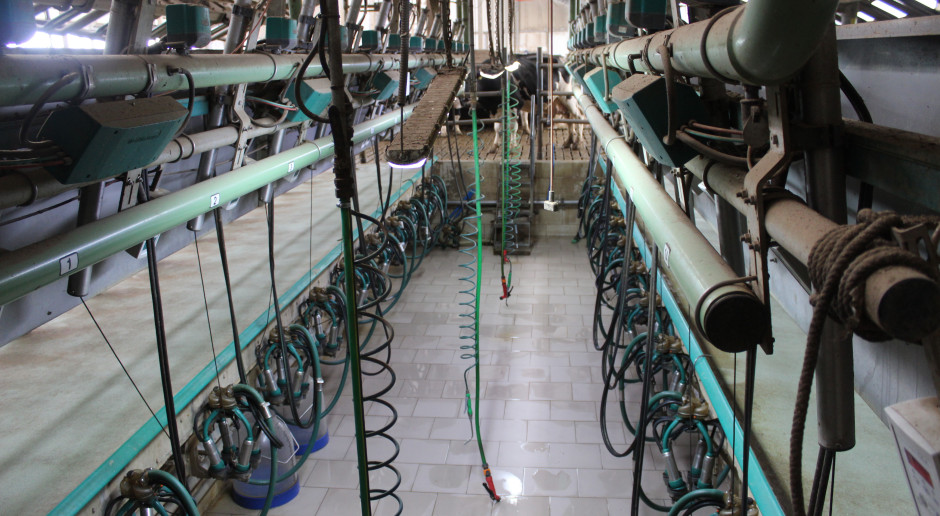
Leading exporters raise milk production
Global dairy markets are entering a period of rapidly expanding supply without an equivalent increase in demand. Farmer.pl, citing analysts at Bank Pekao, reported that combined milk production in the four leading dairy-exporting regions—the European Union, United States, New Zealand and Australia—rose 4% year on year in the first quarter of 2026. Growth slowed slightly from the pace recorded at the end of 2025 but remained high.
The European Union and the United States made the largest contribution to the additional supply. Production also increased in Australia and New Zealand, meaning that all four major exporting regions placed more milk on the market at the same time. This synchronized expansion raises the likelihood that additional volumes of butter, cheese, milk powder and other dairy products will compete for buyers in international and domestic markets.
EU deliveries rise across major producers
The increase was particularly pronounced in the European Union. Milk deliveries to processing plants during the first three months of 2026 were 4.5% higher than a year earlier, according to the figures cited by Farmer.pl. All ten of the EU’s largest milk-producing countries recorded growth, broadening the expansion beyond a small number of markets.
Polish dairies received an additional 104,000 tonnes of milk, an increase of 3% year on year. Although that rate was below the EU average, it continued the expansion of Poland’s dairy industry. More raw milk gives processors greater volumes to convert into butter, cheese, milk powder and other products, but it also increases their need to secure sales at home or abroad.
Demand fails to match the additional supply
Demand for dairy products is still increasing, but Bank Pekao’s economists say it is growing much more slowly than production. Processors are therefore finding it increasingly difficult to place incremental volumes outside the European Union. A larger share of output is remaining inside the bloc, adding to availability and intensifying competition among dairy producers and processing companies.
The imbalance reverses the conditions that had supported dairy prices when supply was constrained and demand was comparatively strong. Bank Pekao expects the growing surplus of raw milk and processed dairy products to place increasing pressure on prices in the coming months. Dairies may also struggle to maintain previous sales levels, particularly in export markets where additional European products must compete with rising output from the United States, New Zealand and Australia.
Second-half outlook deteriorates
Bank Pekao assesses that the supply increase has weakened the milk-market outlook for the second half of 2026. Simultaneous growth in Europe and the other leading exporting regions will make a recovery in dairy product prices more difficult. If global demand cannot absorb the added production, weaker product prices could ultimately translate into further declines in farmgate milk prices.
For dairy farmers, profitability will increasingly depend on farm efficiency, feed costs and the export performance of their processors. Polish producers face the same pressure despite continued growth in domestic output: greater milk deliveries increase processing capacity utilization, but surplus products can reduce margins throughout the supply chain. The central question for the coming months is whether global buyers can absorb the additional milk before inventories and competition exert stronger downward pressure on prices.