Global dairy-heifer shortage opens live-export opportunity for Australia
Demand for high-production Holstein replacement heifers is rising across several markets as traditional supply channels tighten. Australia could expand its role in the live-cattle trade, supported by its animal-health credentials and established export relationships.
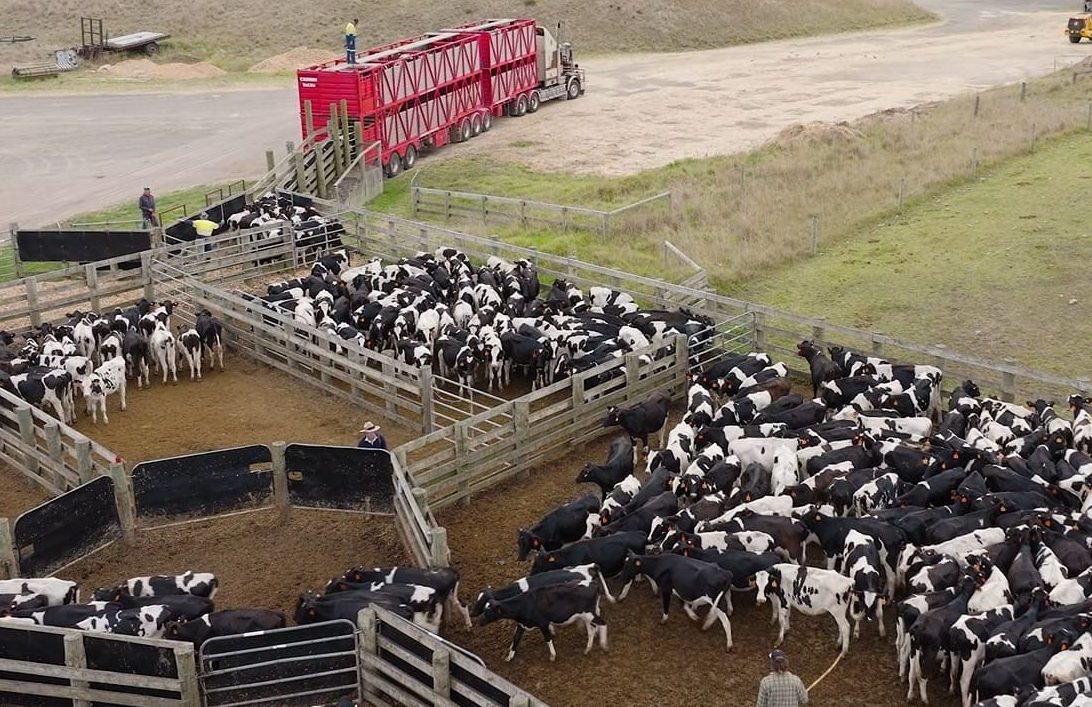
Buyers seek alternative suppliers
A looming global shortage of high-quality dairy heifers is creating a live-export opportunity for Australian producers. Beef Central reports that buyers in Turkey, the Philippines, Mexico, Pakistan, the UAE, Indonesia and Malaysia are seeking high-production Holstein replacement heifers, widening the potential customer base beyond Australia’s established livestock markets.
The Australian Livestock Exporters Council, or ALEC, describes the opportunity as significant. Its chief executive, Mark Harvey-Sutton, said the diversification of dairy export markets was positive for Australian producers. Although live exports remain a niche part of Australia’s dairy industry, they provide an additional sales channel for farms in southern Australia, particularly those that continue breeding replacement animals with strong production and health characteristics.
Mexico demonstrates the supply gap
The changing market was already visible in 2025, when Australian producers supplied replacement Holstein heifers to Mexico. According to Beef Central, Mexican buyers had struggled to obtain suitable cattle from traditional suppliers such as the United States. The shipment demonstrated that Australia can compete when established sources cannot provide animals of the required quality or volume.
The wider list of interested markets gives Australian suppliers some protection from dependence on a single destination. Demand extends across Southeast Asia, South Asia, the Middle East, Europe and the Americas. Beef Central also reports that many of these destinations offer relatively straightforward export pathways, although each trade still depends on animal-health requirements, regulatory approvals and workable livestock transport arrangements.
Supply and logistics will determine growth
Australia’s ability to benefit will depend on maintaining a pool of export-suitable heifers while meeting domestic replacement needs. Harvey-Sutton said dairy farmers that continue breeding quality animals could be in a strong position as international supply tightens. For producers, the export channel can create another buyer for surplus or purpose-bred heifers; for exporters, the task is to match cattle specifications with customers and coordinate health certification and transport.
The dairy sector also contributed to the livestock export industry’s ten-year Live Cattle Growth Plan. The plan is intended to support commercial growth, regulatory efficiency, stronger trade partnerships, public confidence and continued leadership in animal welfare. ALEC considers emerging dairy-heifer demand the type of opportunity the plan was designed to capture. Australia already has a reputation for productive, healthy cattle, according to Harvey-Sutton, while its exporters have the experience and commercial relationships needed to connect producers with overseas buyers. The immediate constraint is therefore not simply finding demand, but ensuring that enough qualifying animals can be supplied consistently under the health, welfare and logistics conditions required by each market.