Glencore signs five-year deal to market up to 60 million tonnes of Guinean bauxite
Glencore will market more than 10 million tonnes of bauxite annually for Guinea’s state-owned Nimba Mining under a five-year agreement. The deal includes more than $300 million in prefinancing, but China is likely to remain the mineral’s principal destination.
Five-year agreement provides sales visibility
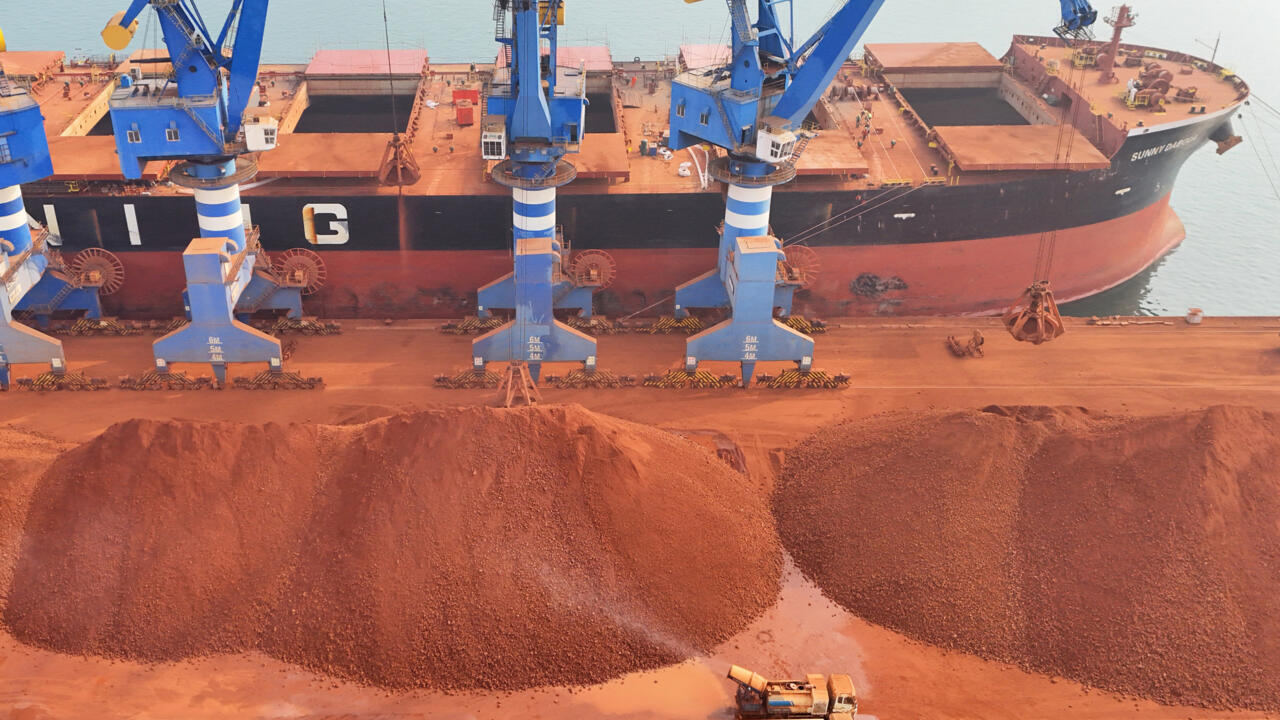
Swiss commodities group Glencore has agreed to market bauxite for Guinea’s state-owned Nimba Mining Company under a five-year contract covering between 50 million and 60 million tonnes, RFI reported. The arrangement calls for Glencore to commercialize more than 10 million tonnes annually and includes prefinancing of more than $300 million.
The agreement gives Nimba Mining greater visibility over both sales volumes and the revenue it may generate in the coming years. This predictability is particularly relevant as Guinea’s bauxite production continues to increase and the country remains the world’s leading exporter of the aluminum ore.
At current bauxite prices of between $32 and $38 per tonne, the contracted volumes represent a substantial revenue stream for the Guinean state company. Applying that price range to the total volume indicates the scale of the material covered, although RFI did not disclose the contract’s pricing formula, delivery schedule or specific mining operations supplying the bauxite.
Financing diversification, but China remains central
The transaction gives Guinea another financing and marketing channel through one of the world’s largest commodity traders. For the authorities, it supports a stated policy of diversifying partnerships in the mining sector rather than relying on a narrow group of commercial counterparties.
The deal does not necessarily mean a comparable diversification of final buyers. China remains the main outlet for Guinean bauxite: nearly three-quarters of the country’s exports went to the Chinese market last year, according to RFI. Glencore can continue selling the contracted material to Chinese alumina refineries, meaning the immediate change concerns the source of financing and the organization of sales more than the geographical pattern of trade.
For Chinese refiners, Guinea’s growing output remains an important source of feedstock. For Nimba Mining, Glencore’s trading network may provide a more predictable route to customers and cash flow. The prefinancing component can also bring forward liquidity against future shipments, although the source report does not specify its terms or how the funds will be deployed.
Guinea seeks more domestic processing
The agreement comes as Guinea aims to capture more value from its mineral resources within the country. The government plans to establish five alumina refineries, moving part of the industry beyond exports of unprocessed bauxite. Bauxite is the principal ore used to produce aluminum and gallium, so additional refining capacity could alter the composition of Guinea’s mining output and its role in downstream supply chains.
RFI said Glencore could also become a strategic partner in this processing effort, but no refinery investment commitment was disclosed as part of the reported marketing agreement. For now, the concrete provisions are the five-year marketing mandate, annual volumes exceeding 10 million tonnes and prefinancing above $300 million.
The commercial impact will therefore depend on execution: the mines supplying the tonnage, shipment timing, realized prices and whether planned refining capacity progresses. In the near term, the contract strengthens Nimba Mining’s ability to plan sales while giving Glencore a significant position in the export channel of the world’s leading bauxite-exporting country.