Gimcheon Ships 26 Tons of Grapes to Taiwan as Export Program Expands
Gimcheon has dispatched 26 tons of grapes worth 250 million won to Taiwan. The shipment follows exports of 2,599 tons valued at 36.4 billion won last year, while the city is strengthening quality controls and overseas distribution support.
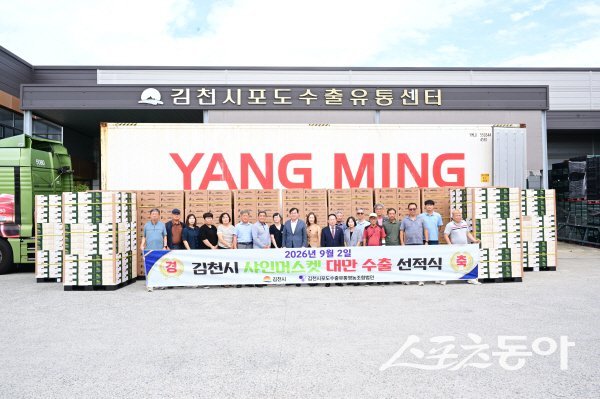
A 26-ton shipment targets Taiwan
Gimcheon, one of South Korea’s grape-producing areas, has sent 26 tons of grapes to Taiwan as part of a broader effort to expand sales in overseas markets. The shipment, valued at 250 million won, was dispatched on the 2nd through the Gimcheon City Grape Export Distribution Farming Association, according to Sports Donga. The delivery reinforces grapes’ position among the city’s representative export-oriented agricultural products.
The available report does not identify the grape variety, buyer or final distribution channel in Taiwan. Even so, the shipment provides a concrete measure of Gimcheon’s continuing market-development work. For growers and packing businesses, access to another overseas destination can broaden the customer base beyond domestic sales, while importers in Taiwan receive an additional source of Korean grapes.
Exports reached 2,599 tons last year
The Taiwan consignment follows a substantially larger annual export program. Sports Donga reported that Gimcheon exported 2,599 tons of grapes last year, with a total value of 36.4 billion won. Those figures show that the latest 26-ton cargo is one shipment within an established commercial operation rather than an isolated trial.
The annual result is relevant to producers because export continuity depends on coordinated harvesting, sorting, packing and delivery. It also matters to traders and overseas distributors, which require reliable volumes and consistent specifications before committing shelf space or marketing resources. Gimcheon’s reported export value indicates that grapes already form a meaningful part of the city’s agricultural sales abroad.
Quality control and distribution remain central
Gimcheon City plans to reinforce quality management and support the development of additional sales channels, Sports Donga reported. These measures are intended to consolidate grapes as a leading agricultural export from the city. Quality controls are particularly important for fresh fruit because the product must retain its appearance and condition through packing, transport and delivery to overseas customers.
Expanding distribution will require continued coordination among growers, the export farming association and buyers in destination markets. The 26-ton Taiwan shipment gives Gimcheon another commercial reference point as it develops its overseas presence. The larger benchmark remains last year’s 2,599 tons and 36.4 billion won in exports, against which future shipments and market-expansion efforts can be assessed.