Gilan Completes Rice Harvest on 99% of Paddy Fields
Rice harvesting has been completed on 235,620 hectares, or 99% of Gilan’s paddy fields. The near-completion of fieldwork provides processors and traders with greater visibility over local supply, although no production-volume or yield estimate was disclosed.
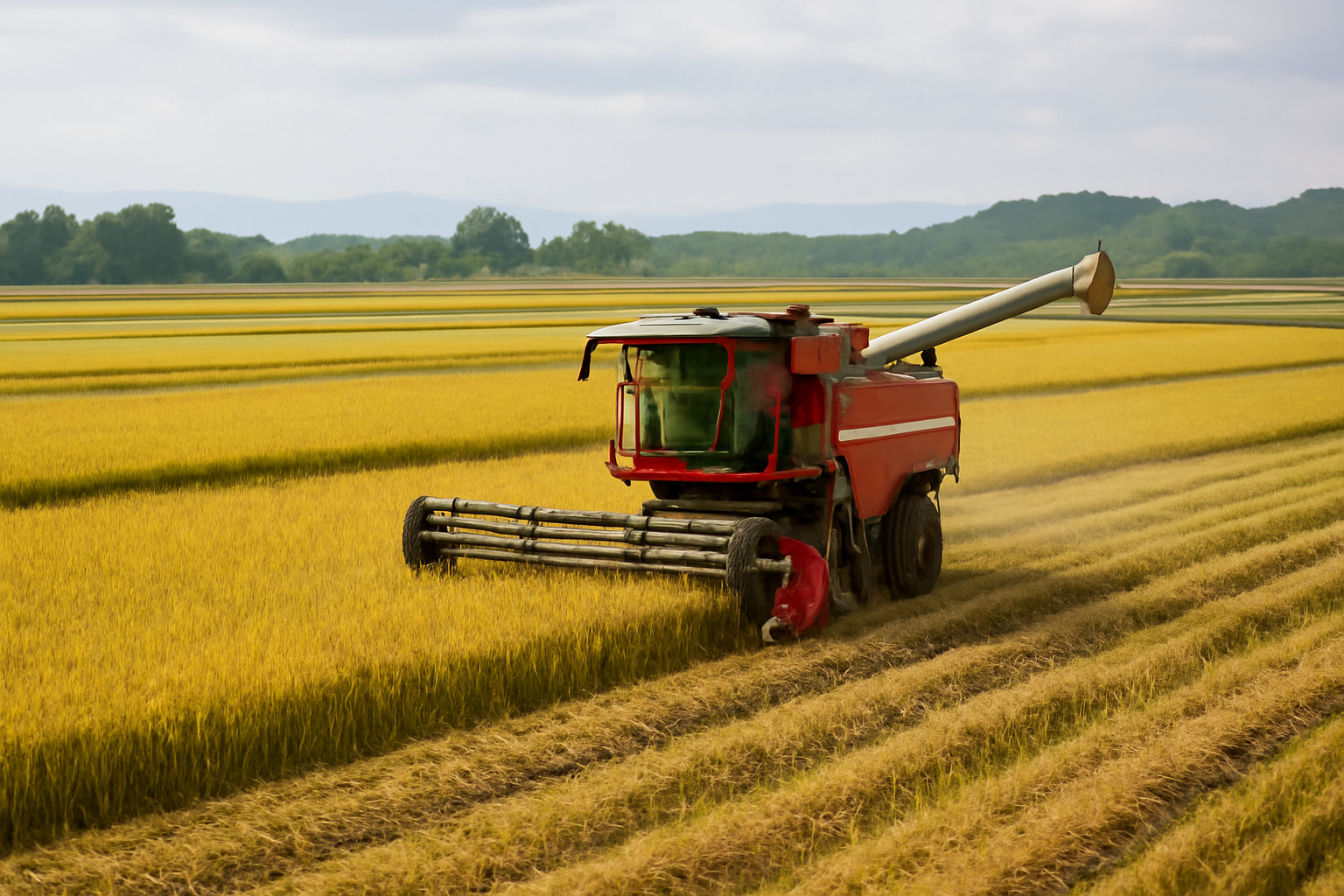
Harvest reaches 235,620 hectares
Farmers in Iran’s Gilan province have harvested rice from 235,620 hectares, representing 99% of the region’s paddy fields, according to comments reported by Bazaar. Saleh Mohammadi, head of Gilan’s Agricultural Jihad Organization, said the province had entered the final days of the harvest.
The figures indicate that fieldwork is virtually complete across one of Iran’s principal rice-growing regions. The report referred to approximately 238,000 hectares of paddy fields in the province. At the reported completion rate, only a small share of the planted area remained to be harvested when Mohammadi made his statement.
Output remains undisclosed
The update measures harvested area rather than the volume of paddy or milled rice produced. It did not provide an average yield, total crop estimate, comparison with the previous season or assessment of grain quality. Those figures will be necessary to determine whether the near-complete harvest translates into a larger supply for mills and domestic buyers.
A high harvested-area percentage confirms the timing of crop availability but does not by itself show the commercial size of the harvest. Final output will depend on yields across the province, post-harvest losses and the conversion rate from paddy into marketable rice. For processors, the pace at which newly harvested grain reaches drying, storage and milling facilities will also shape short-term procurement conditions.
Market attention shifts to mills and prices
With 99% of the area harvested, market attention is likely to move from field progress to the volume and quality entering local supply chains. Rice mills and wholesalers will be able to assess available lots more accurately as deliveries are completed. Producers, meanwhile, will be watching purchasing activity and prices as a large portion of the provincial crop becomes available within a relatively short period.
The harvest also matters to buyers comparing domestic rice with alternative supplies. However, the report contained no farmgate, wholesale or retail prices and gave no information on imports, inventories or government purchasing. It therefore does not establish whether the completed crop will reduce Iran’s need for foreign rice or materially change domestic prices.
Final data will determine the impact
The remaining one percent is unlikely to change the broad conclusion that Gilan’s harvesting campaign is at its end. The more consequential data will be the final tonnage, average yield and proportion meeting commercial quality requirements. These indicators will determine utilization at local mills and the amount of rice available to distributors.
Until those figures are published, the 235,620-hectare result should be treated primarily as an operational milestone. It confirms that nearly all of Gilan’s paddy area has been collected, but it leaves the crop’s value and its effect on Iran’s rice balance unresolved. Processors, traders and market analysts will need final production and price data before drawing firmer conclusions about supply conditions.