Ghana studies Malaysia's cocoa processing experience in local value push
Ghana, the world's second-largest cocoa producer after Cote d'Ivoire, is examining Malaysia's experience in cocoa processing, Agence Ecofin reported. The interest follows a new policy aimed at expanding local transformation of the crop and keeping more of its value inside the country.
A processing policy in search of a precedent
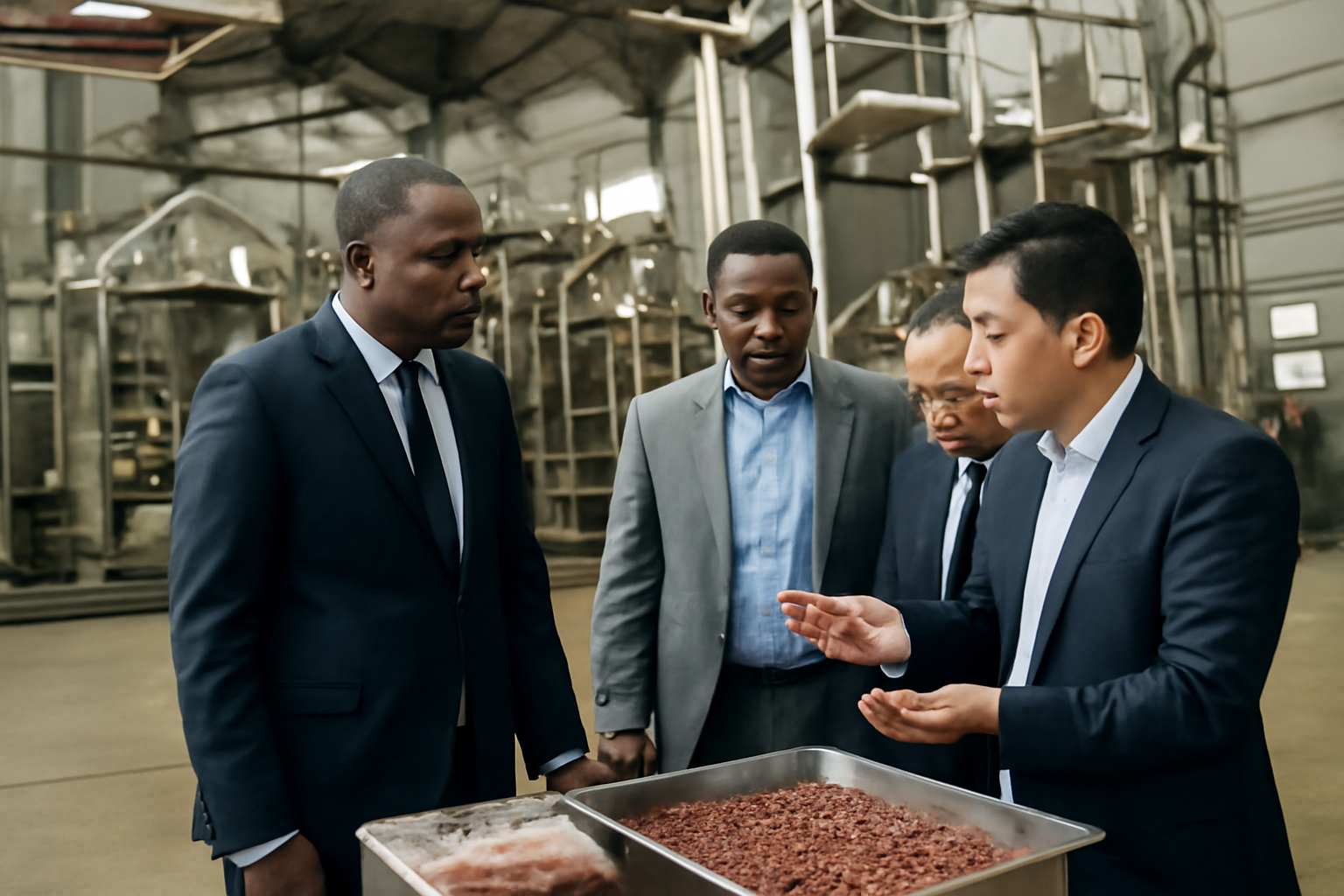
Ghana, the world's second-largest cocoa producer after Cote d'Ivoire, is examining Malaysia's experience in cocoa processing as it advances a new policy intended to expand transformation of the crop at home, Agence Ecofin reported. The interest in the Malaysian case is tied directly to that policy, which seeks to retain a larger share of cocoa's value inside the country rather than exporting it together with the beans.
The position Ghana occupies is a familiar one for commodity exporters. The country sits near the top of global supply of the raw material, while most of the margin in cocoa ingredients and chocolate is earned at the grinding, ingredient manufacturing and confectionery stages located elsewhere. Processing policy is the standard instrument governments use to change that split. What distinguishes the current step is that Ghana is looking for a working precedent rather than a theoretical model.
Why the Malaysian reference
Malaysia is an unusual reference point for a West African producer, and that is precisely what makes it relevant. It is not among the leading cocoa-growing countries, yet it developed a processing and ingredient industry whose scale was never limited by the size of its own harvest. The lesson Ghana appears to be drawing concerns industrial policy sequencing — how a processing base is financed, supplied and connected to export markets — rather than agronomy.
For Ghana the starting conditions are the reverse of Malaysia's. Supply of beans is domestic and abundant, while the industrial layer is the constraint: power, capital, technical skills and long-term offtake contracts with international buyers. Any transfer of the Malaysian experience therefore runs through infrastructure and financing terms rather than through access to raw material.
What local transformation changes
Moving from bean exports towards processed output changes both the products a country sells and the way its export revenue behaves. Instead of a single price line tied to the bean, the country takes exposure to several ingredient markets with their own supply and demand cycles.
- Beans are converted into liquor, butter and powder, each traded on its own terms rather than on a single bean price.
- Cocoa butter is typically the highest-value fraction of the bean and the one most closely tied to chocolate demand.
- Grinding capacity anchors industrial employment and skilled technical work near the growing areas.
- Domestic processors give the state a second revenue base alongside bean export receipts and farmgate taxation.
The parameters still missing
Agence Ecofin's report does not set out the targets, timetable, financing structure or incentives attached to Ghana's new policy. For processors, equipment suppliers and trading houses, those are the decisive parameters. Grinding is capital-intensive and operates on thin margins, so the terms of power supply, working capital and tax treatment determine whether new capacity is viable at all.
The direction of travel matters for buyers as well. If Ghana succeeds in raising the processed share of its cocoa exports, European and Asian grinders would face competition sourced closer to the farm, and importers would shift part of their purchasing from beans to semi-finished products. Until capacity figures and a timeline are published, the policy remains a statement of intent supported by a foreign template.