Ghana secures Gulf buyers for cocoa derivatives as processing push gathers pace
Ghana has won firm purchase commitments from the United Arab Emirates and Saudi Arabia for cocoa paste, butter, cake and powder, according to La Tribune, citing the Cocoa Marketing Company. The world's second-largest producer is pushing value-added processing even as its grinding plants run at 50% of a 505,000-tonne capacity.
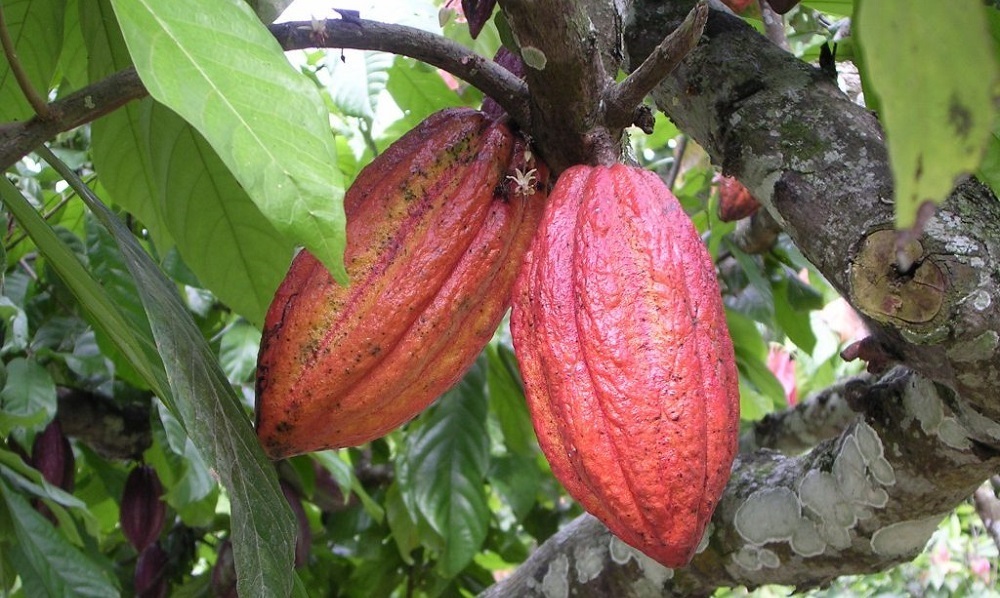
Ghana secures Gulf buyers for cocoa derivatives
Ghana has obtained firm purchase commitments from the United Arab Emirates and Saudi Arabia for several cocoa derivatives — paste, butter, cake and powder — according to La Tribune, citing an announcement posted in early July by the Cocoa Marketing Company (CMC) on its website. The move opens new sales prospects for the world's second-largest cocoa producer in markets where demand for confectionery products remains strong.
The Gulf is a fast-growing outlet. Citing US Department of Agriculture (USDA) data, La Tribune reports that the UAE imported $821 million (about €720 million) of chocolate and cocoa-based products in 2025, mostly from the European Union. That was up nearly 25% from $663 million (about €580 million) a year earlier.
Processing capacity underused
The commercial push lands as Ghana's grinding industry runs well below potential. USDA figures put installed grinding capacity at around 505,000 tonnes, but factories are operating at only 50% of that level, La Tribune reports. Chronic difficulties in securing beans have left much of the industrial base idle.
Despite the supply constraints, processing has advanced sharply, helped by global demand for chocolate and by higher international prices. According to a report published in April by the Ghana Export Promotion Authority (GEPA), cocoa derivatives drove growth in non-traditional merchandise exports in 2025:
- Cocoa paste: $789.3 million (about €690 million), up 70.97% from 2024
- Cocoa butter: $635.7 million (about €556 million), up 120.18%
- Cocoa powder: $233.8 million (about €204 million), up 112.97%
Chasing value at home
The strategy is about capturing more value. Ghana still ships more than 60% of its beans in raw form, La Tribune notes. The challenge is sharpened by neighbouring Côte d'Ivoire, the world's top producer, which processes more than 700,000 tonnes of cocoa a year on a stronger industrial base.
Ghanaian authorities have said they intend to direct at least 50% of national bean output to local processing from the 2026/2027 season. Beyond opening new markets, La Tribune notes, the country will need to ease access to raw beans, improve investment incentives, stabilise the regulatory framework and strengthen links between farmers, processors and exporters.
Weight in the economy
Cocoa supports some 800,000 farming families across 10 of Ghana's 16 administrative regions. Total bean exports — raw and semi-processed — generated $3.37 billion (about €2.947 billion) in the 2024/2025 season, more than double the previous year's figure, according to La Tribune.