Germany targets $70,000 robot hands as China dominates humanoid deliveries
China accounted for 97% of reported global humanoid robot deliveries in the first half of the year. A Fraunhofer study identifies robotic hands, which can cost $70,000 each, as a potential high-value market for German automotive suppliers.
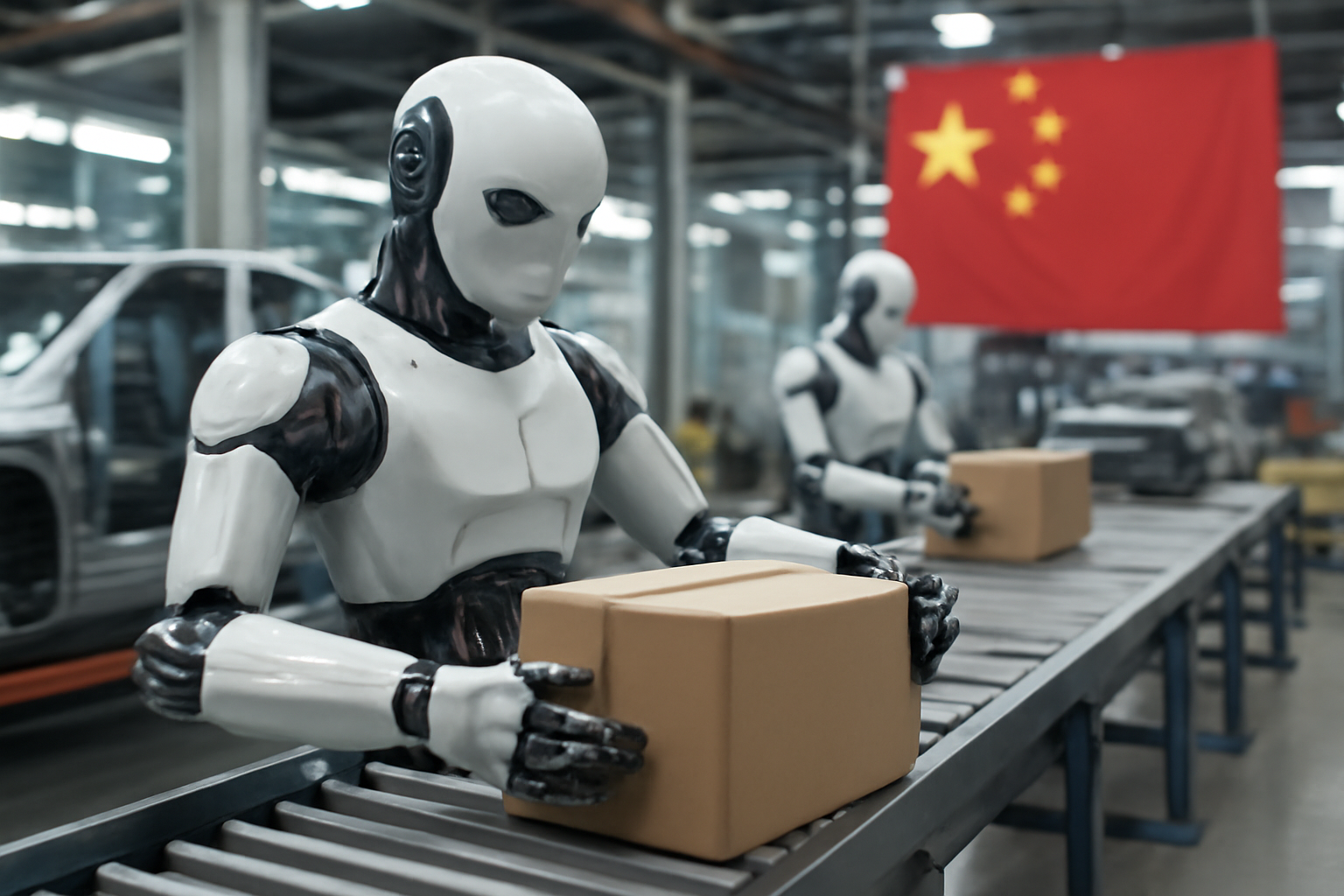
China takes the lead in humanoid deliveries
China accounted for 97% of reported humanoid robot deliveries worldwide in the first half of the year, giving the country a commanding position in the early commercial market. The figure points to a sharp concentration of manufacturing and deployment capacity, even as companies in other industrial economies continue to develop humanoid systems and their components.
The delivery share does not by itself show how many robots were shipped, where they were deployed or which manufacturers supplied them. It nevertheless highlights the scale of China’s head start. For machinery producers and investors, the immediate question is whether suppliers outside China can compete in complete robots or should concentrate on technically demanding components where performance and reliability carry greater weight.
A $70,000 component opportunity
A Fraunhofer study identifies robotic hands as one such opening for German industry. A single hand can cost $70,000, making it one of the most expensive and technically challenging parts of a humanoid robot. Hands must combine compact mechanics, precise actuation and dependable control while operating safely around people and valuable equipment.
That cost creates a potentially substantial market even before humanoid production reaches mass-market volumes. It also means hands can have an outsized influence on the economics of a complete machine. Robot makers need enough dexterity to justify the component’s price, while buyers must decide whether advanced manipulation delivers a measurable return in factories, warehouses or other workplaces.
Germany’s opportunity lies in supplying this high-value layer rather than necessarily matching China’s current share of finished robot deliveries. German automotive suppliers already operate in sectors that demand precision engineering, durable components and consistent industrial production. The Fraunhofer-backed case is that these capabilities may be transferable to robotic hands and related systems.
Automotive expertise meets commercial pressure
The opening is not automatic. A component priced at $70,000 will face pressure as humanoid manufacturers seek to reduce the total cost of their machines. German suppliers would therefore need to balance performance with manufacturability and demonstrate that their products can move from specialised engineering to repeatable production.
China’s 97% share also changes the commercial equation. Suppliers developing robot hands in Germany may need to sell into an ecosystem in which Chinese manufacturers already account for nearly all reported deliveries. That creates a choice between competing with Chinese component makers, supplying Chinese robot producers or focusing on customers elsewhere that prioritise specialised performance over the lowest possible price.
For Germany, robotic hands offer a narrower but potentially valuable route into the humanoid industry. The market case rests on converting automotive engineering capabilities into components that robot manufacturers cannot easily commoditise. China currently leads deliveries; German companies’ prospects will depend on whether dexterity, durability and industrial quality remain worth a premium as the sector expands.