Germany recalls Turkish tomato paste after glass fragments trigger serious-risk alert
Germany withdrew and recalled Turkish-origin tomato paste after glass fragments were found following a consumer complaint. The RASFF notification, filed on 16 July 2026, classified the incident as a serious risk, while France joined the follow-up process.
Consumer complaint leads to serious-risk classification
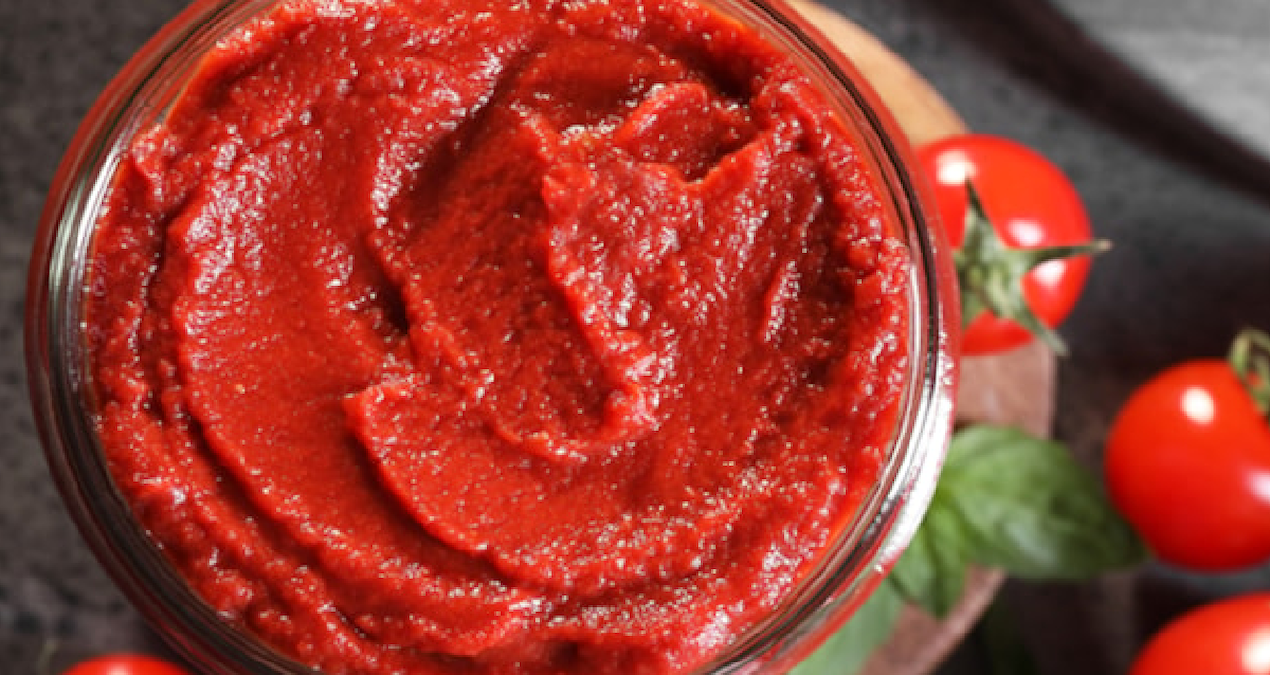
Germany has withdrawn and recalled a Turkish-origin tomato paste after glass fragments were detected in the product, according to Turkish newspaper Sözcü. The incident was reported through the European Commission’s Rapid Alert System for Food and Feed, or RASFF, which classified the contamination as a serious risk to consumers.
The notification was submitted by Germany on 16 July 2026 after a consumer complaint prompted an investigation. Inspectors identified pieces of glass as foreign material in the tomato paste. The product was recorded in the food category and under the RASFF classification for soups, sauces and condiments.
Authorities treated the case as a serious risk because glass fragments can cause physical injury. The source material does not report any injuries, nor does it specify how much product may have entered the market.
Withdrawal and consumer recall ordered in Germany
German authorities introduced two measures. The affected tomato paste was first withdrawn from the distribution chain, targeting stock held by wholesalers, retailers or other commercial operators. A consumer-level recall was also initiated for units that had already been sold, with buyers expected not to use the product and to return it.
The RASFF notice did not identify the brand, manufacturer, batch number or expiry date, Sözcü reported. Those omissions limit the information publicly available to distributors and consumers seeking to determine whether particular units are covered by the recall. No production volume, shipment size, retail chain or distribution territory was disclosed in the supplied report.
France was listed as participating in the follow-up process. Information was also circulated through the International Food Safety Authorities Network, known as INFOSAN, extending the notification beyond the immediate German response. The source does not state whether France received the affected tomato paste or introduced a separate recall.
Traceability becomes central for Turkish suppliers
The case raises an immediate traceability issue for companies handling Turkish tomato paste in Europe. Without public details on the brand, producer or batch, importers and retailers must depend on notifications from competent authorities and their suppliers to identify potentially affected inventory. Producers may also need to review glass-control procedures, packaging lines and records covering the relevant consignments.
The alert concerns a specific food-safety incident rather than evidence of a wider problem across Turkish tomato products. Even so, a serious-risk classification can increase scrutiny of documentation and quality controls among manufacturers, exporters and European buyers. The commercial effect will depend on the volume involved, the number of markets supplied and whether authorities publish further identification details.