Germany plans to extend drinks tax to zero-sugar soft drinks, alcohol-free beer and oat milk
Germany’s government plans to bring artificially sweetened soft drinks, alcohol-free beer and oat milk within the scope of a proposed drinks tax. The broader approach would affect pricing and product development beyond conventional sugary beverages.
Proposal reaches beyond sugary soft drinks
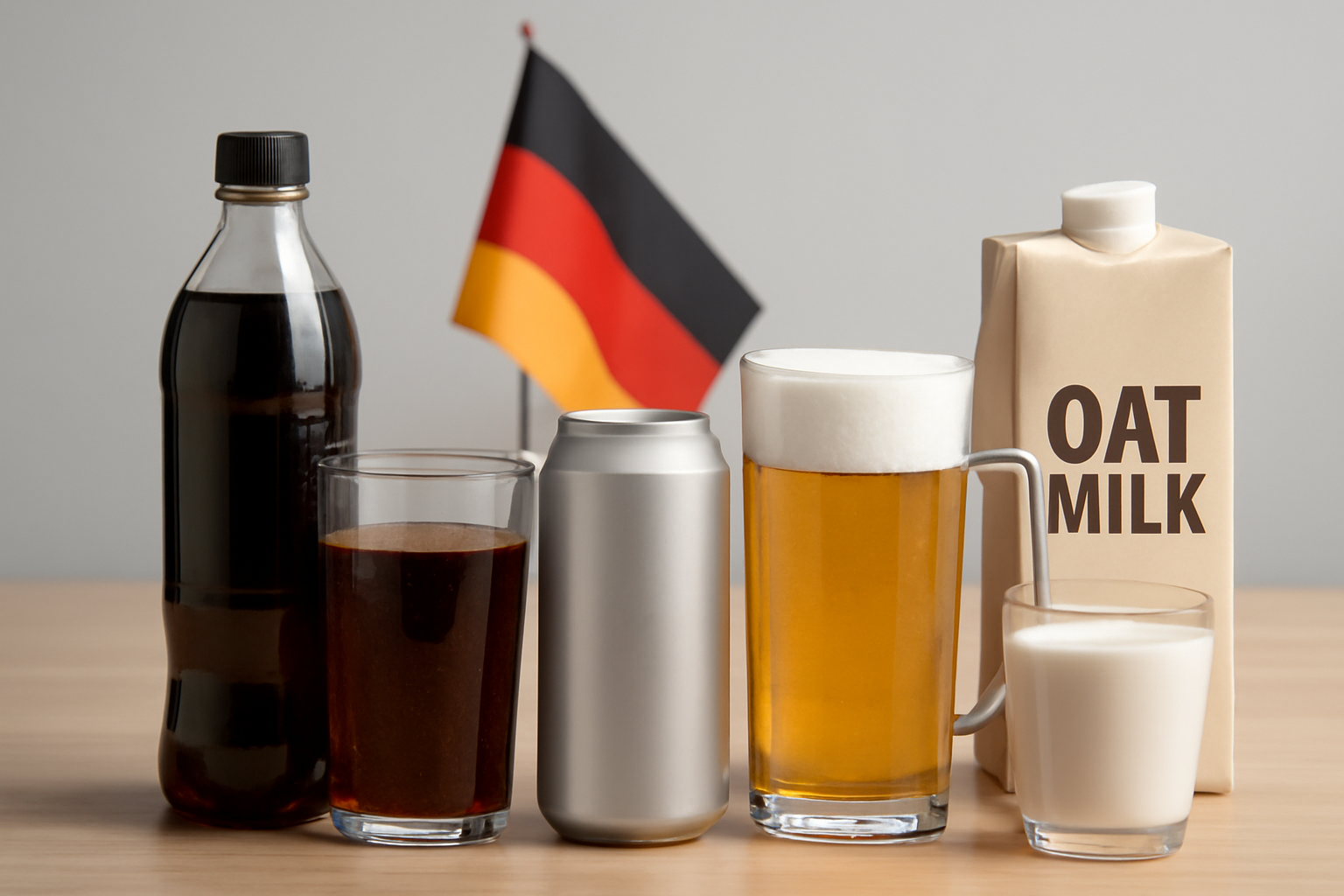
Germany’s government plans to broaden its proposed taxation of drinks beyond conventional sugar-sweetened soft drinks. According to the supplied report, the products under consideration also include soft drinks made with sweeteners, alcohol-free beer and oat milk.
The expanded scope would make the measure a category-wide intervention rather than a levy determined solely by the amount of added sugar. A zero-sugar cola could be affected alongside a sugary lemonade, while products marketed primarily as beer alternatives or plant-based milk substitutes would also enter the tax framework.
The supplied material does not specify the planned tax rate, implementation date, thresholds or method for calculating liabilities. It also does not indicate whether every product within the named categories would face the same treatment. Those details will determine the eventual cost for manufacturers, retailers and consumers.
Reformulation options could narrow
Taxes focused only on sugar usually give beverage companies a direct route to reduce exposure: lower the sugar content or replace sugar with another sweetening system. Including drinks containing sweeteners would weaken that option. Producers could still adjust recipes, but switching from sugar to artificial or other non-sugar sweeteners might no longer remove a product from the taxable category.
This distinction matters for soft-drink manufacturers that maintain conventional and zero-sugar versions of the same brand. If both variants are taxed, companies will have to evaluate whether differences in tax treatment remain large enough to justify further reformulation. Product size, positioning and retail pricing may become as important as recipe changes.
Alcohol-free beer presents a different production and marketing case. Its inclusion would extend the tax beyond products normally described as soft drinks. Brewers would therefore need clarity on whether the relevant criterion is sweetness, the presence of sweeteners, residual sugar or the product category itself.
Oat milk raises similar questions. It competes with dairy milk and other plant-based drinks rather than primarily with carbonated beverages. Bringing it into the measure could affect the relative shelf price of milk alternatives, depending on the final exemptions and definitions.
Pricing effects depend on the final rules
Manufacturers will have to decide how much of any additional cost to absorb and how much to pass through to wholesalers, retailers and consumers. The outcome may differ by category. Large soft-drink brands, brewers and plant-based beverage suppliers have different production costs, margins and bargaining positions with retailers.
Importers would also need to establish whether products made outside Germany are subject to the same rules when placed on the German market. Equal treatment would limit a direct tax advantage for foreign suppliers, but it would add classification and compliance requirements across international beverage portfolios.
The commercial effect cannot be quantified from the available information because no rate, thresholds or timetable were provided. The key issue for the industry is now how Germany defines a taxable drink. A framework based on category membership would produce different incentives from one based on sugar or sweetener content, with consequences for recipes, packaging, pricing and competition across several beverage segments.