Germany Faces Phosphorus-Recovery Capacity Shortfall Ahead of 2029 Deadline
Germany is maintaining its 2029 sewage-sludge phosphorus-recovery deadline, although the Environment Agency expects no more than 25% of the required ash-processing capacity to be available. Incineration capacity is expanding, but industrial-scale recovery technology, product quality and storage rules remain unresolved.
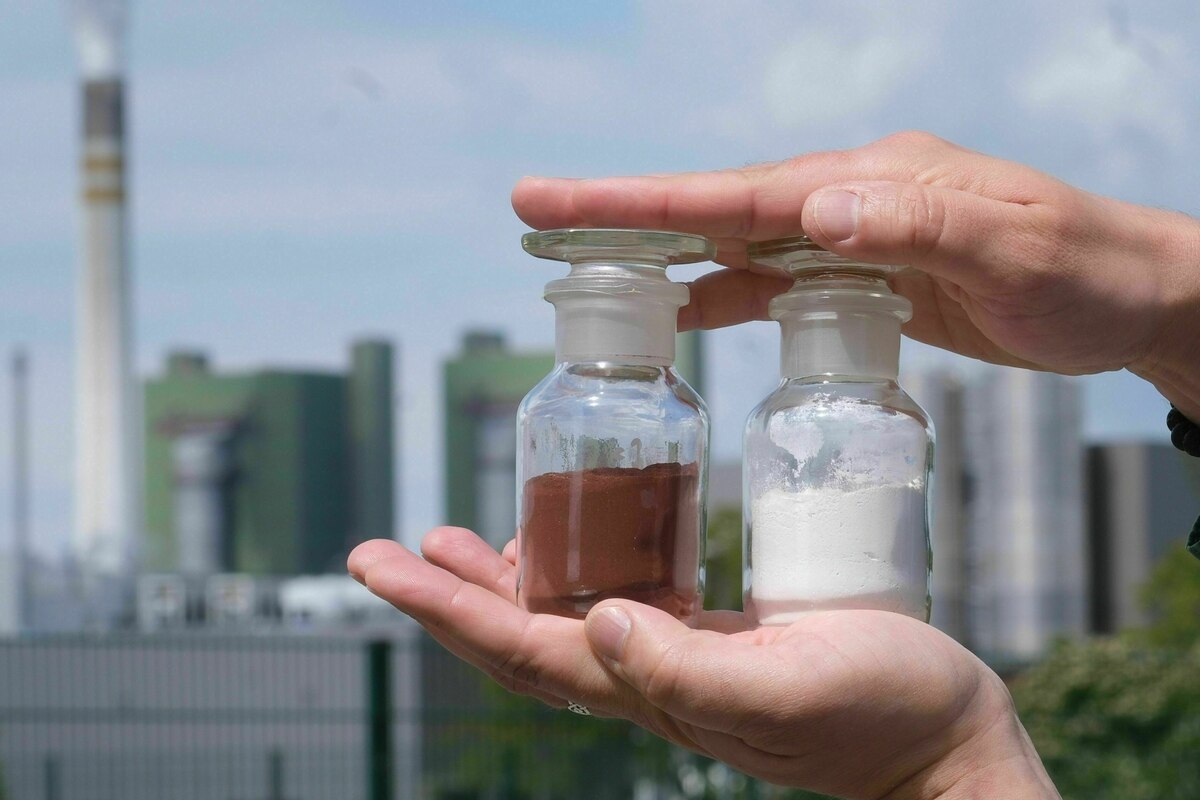
Recovery mandate approaches without sufficient capacity
Germany risks entering its mandatory sewage-sludge phosphorus-recovery regime without enough industrial capacity to process the resulting ash. From 2029, wastewater-treatment operators must recover phosphorus from sewage sludge, but the German Environment Agency expects no more than 25% of the required ash-processing capacity to be available by then, according to taz.
The gap is emerging despite legislation adopted in 2017 and substantial public funding for research. Germany generates more than 1.5 million tonnes of dried sewage sludge, and enough mono-incineration plants are expected to be available soon to burn that volume. These plants process sewage sludge separately from other waste, allowing phosphorus to remain concentrated in the ash for later recovery.
The bottleneck comes after incineration. Few recovery technologies currently operate at full industrial scale. Many pilot facilities also fail to produce water-soluble phosphorus that plant roots can absorb directly. Recycled materials may contain cadmium, copper and nickel, requiring additional treatment before they can be used safely in fertilizer.
Operators seek delay as storage problem grows
Wastewater operators and municipalities remain uncertain about how they will demonstrate compliance. Their association, DWA, has called for the sewage-sludge regulation to be postponed by 10 years. The environment ministers of Germany’s federal states have also requested a legally secure and practical solution.
The federal government is maintaining the existing timetable. Silke Karcher of the Environment Ministry has argued that delaying implementation would undermine investments made by organizations that relied on the law. Julia Vogel of the German Environment Agency has said large-scale implementation must begin, while acknowledging that interim solutions will be necessary.
One likely interim measure is the storage of sewage-sludge ash from 2029 until sufficient recovery capacity becomes available. That could create large stockpiles for an indefinite period. Wastewater-fee payers would ultimately bear the costs. An Environment Ministry meeting on 8 October is expected to address whether the ash should be stored centrally or locally and how later processing costs should be allocated among treatment plants.
Fertilizer buyers demand competitive price and quality
The fertilizer industry is prepared to purchase recycled phosphorus only if it meets its price and quality requirements, Johannes Monath of the German Agricultural Industry Association said at a German Phosphorus Platform event. No legal standards yet define the fertilizer effectiveness required from the recycled products. Production is also expected to be expensive, leaving the material dependent on substantial subsidies to compete with conventional phosphorus.
The policy has strategic importance because the EU classifies phosphorus as a critical raw material. Agriculture needs it for fertilizer, while livestock production uses it in feed additives. Phosphate-rock deposits are concentrated in a small number of locations, particularly Morocco, Moroccan-occupied Western Sahara and China. Sewage offers a domestic secondary source, but phosphorus there is mixed with heavy metals, PFAS and microplastics, limiting the direct agricultural use of sludge.
Circular potential exceeds current implementation
An international study published in the spring concluded that a global circular phosphorus economy could reduce mining to 3% of worldwide nutrient requirements. Achieving that outcome would require coordinated changes across fertilizer production, agriculture and food consumption, including more precise fertilization and lower food waste.
A separate review of about 200 scientific studies found that treated urine and feces can provide fertilizer performance similar to agricultural-industry products. For Germany, however, the immediate challenge is narrower: connecting expanding incineration capacity with reliable recovery plants, enforceable product standards and a workable system for financing and storing ash after 2029.