Germany may keep three lignite units in reserve until 2033
Germany faces an August 15, 2026 deadline to decide the future of three lignite units in the Rhenish mining region. Solarify reports that the plants, previously scheduled to close in March 2030, are expected to remain available as reserve capacity until at least 2033.
Decision due on three Rhenish lignite units
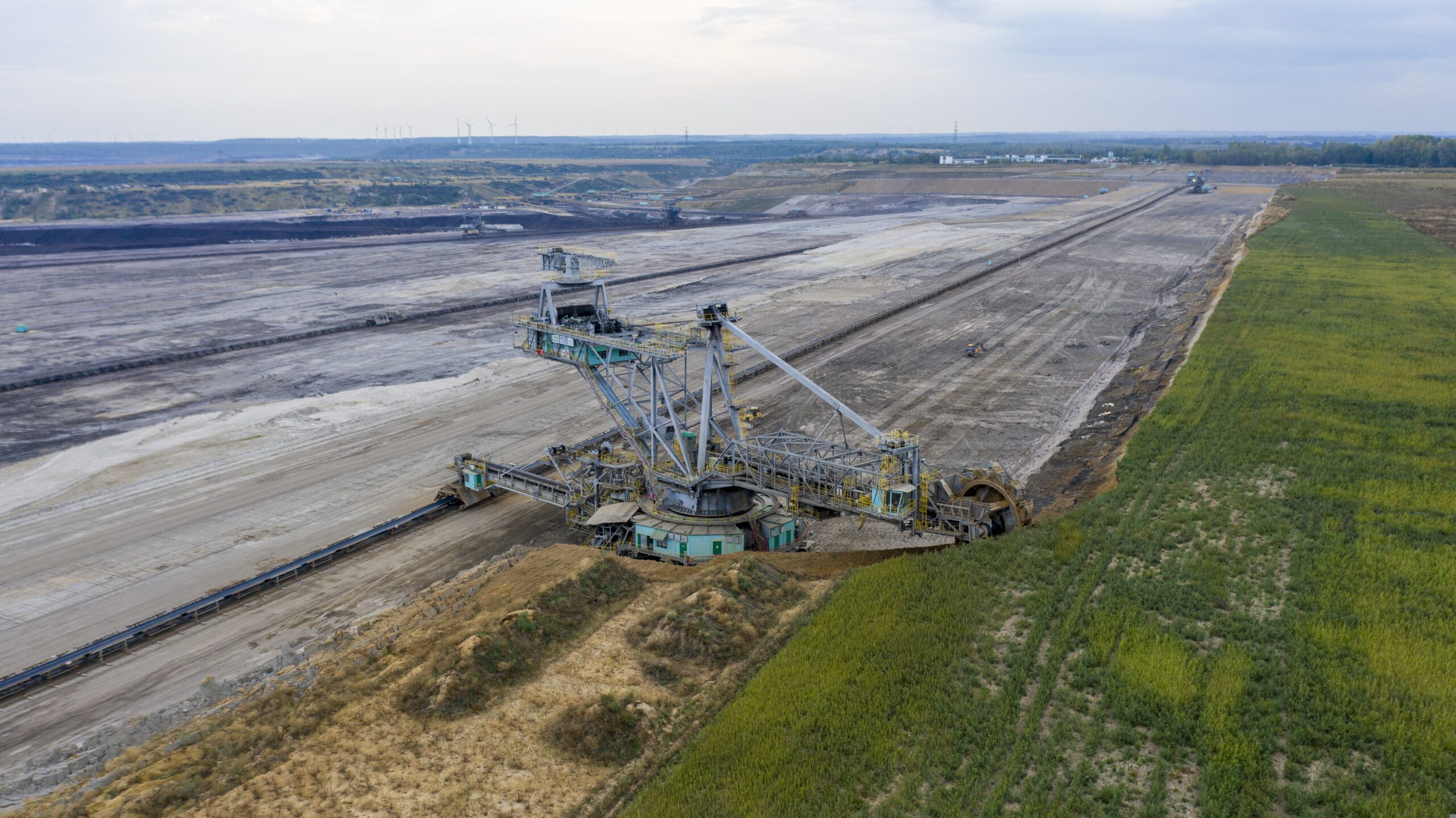
Germany may keep three lignite-fired generating units in the Rhenish mining region available as reserve capacity until at least 2033, effectively delaying part of the region’s accelerated coal phase-out. The plants had been scheduled for final closure at the end of March 2030.
The federal government must decide their future by August 15, 2026, according to Solarify. The deadline was established under Germany’s 2020 Coal-Fired Power Generation Termination Act, which provides for reviews on August 15 in 2022, 2026, 2029 and 2032. Those reviews were designed to assess whether the national coal exit could be brought forward.
Solarify said the assessment report intended to support the 2026 decision had not yet been published. The outlet nevertheless expects the government led by Chancellor Friedrich Merz to use the review provision to slow the accelerated timetable. That means the prospective extension should not yet be treated as a completed government decision.
Reserve status preserves operating capacity
Under the arrangement described by Solarify, the three units would stop selling electricity routinely into the market after 2030 but remain operationally available. They could be restarted during periods of insufficient power supply. Keeping them ready would also require continued access to lignite production and the associated mining infrastructure.
The distinction matters for generators, electricity traders and industrial consumers. Reserve capacity would not contribute continuously to wholesale supply, but it could provide an additional source of dispatchable generation during tight market conditions. It would also extend maintenance, staffing and fuel-security requirements beyond the previously agreed shutdown date.
In 2022, the previous federal government, the state of North Rhine-Westphalia and utility RWE agreed to advance the coal exit in the Rhenish region by eight years, from 2038 to 2030. Solarify reports that the agreement was expected to leave about 280 million tonnes of lignite underground and avoid an equivalent volume of carbon dioxide emissions.
Replacement capacity remains the central constraint
The national statutory deadline for ending coal-fired generation remains 2038. The current issue concerns the faster 2030 timetable for the Rhenish region, rather than the cancellation of Germany’s coal exit as a whole.
Solarify links the possible reserve extension to delays in securing replacement capacity. Gas-fired plants intended to replace coal generation have so far barely been commissioned, according to the publication. Until sufficient alternatives are built, keeping lignite units available would give the power system additional protection against shortages, while prolonging reliance on fossil-fuel infrastructure.
Merz signalled his emphasis on security of supply at the FAZ Congress in March 2026, saying he was not prepared to put the core of Germany’s energy supply at risk solely because phase-out dates had been decided years earlier. The government’s eventual decision will therefore be watched for its implications for reserve margins, future gas-generation investment and the credibility of the regional 2030 schedule.
For RWE and companies connected to the Rhenish lignite industry, an extension would preserve assets and operating activity for three additional years. For renewable-energy developers and emissions-focused investors, it would indicate that insufficient firm replacement capacity can delay plant retirements even when an earlier closure has been negotiated. The August decision will determine whether the three units close permanently in March 2030 or remain part of Germany’s security-of-supply framework until at least 2033.